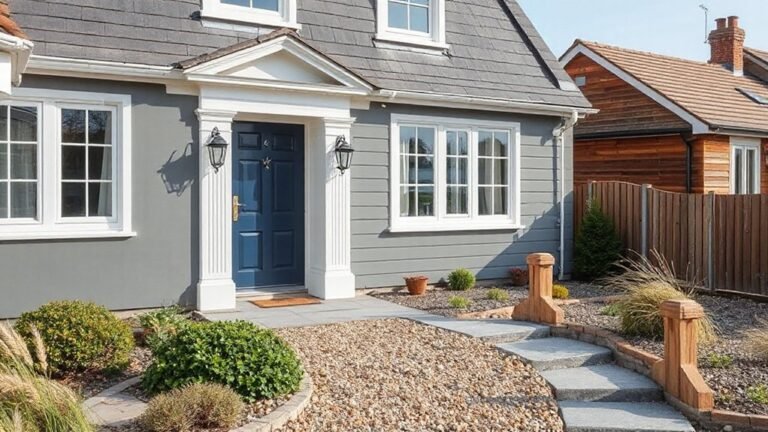
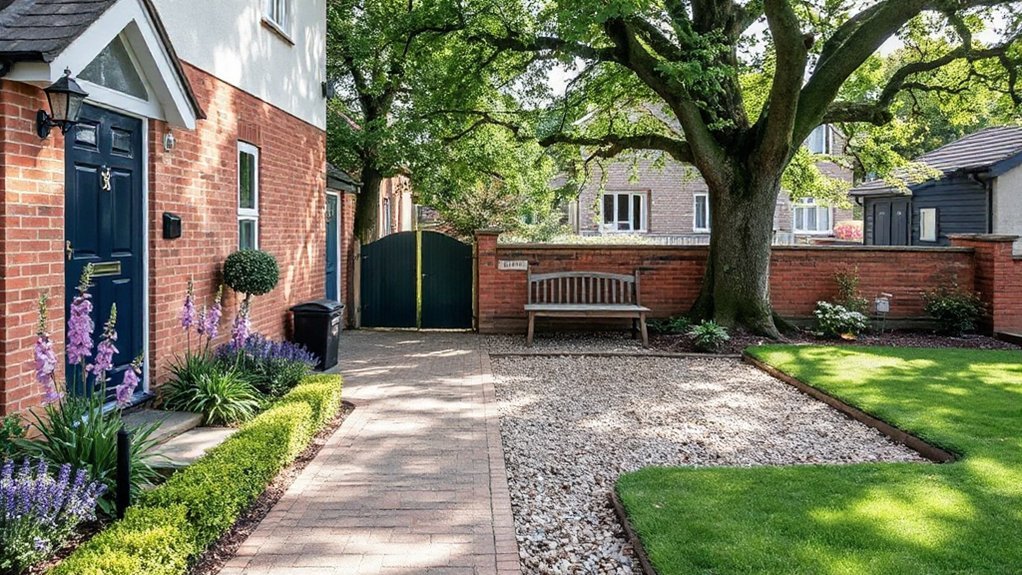
Boost kerb appeal in UK suburbs with a structured, low‑maintenance makeover that blends durable hardscaping, native planting, and smart lighting. Start with a front garden assessment to map boundaries, drainage, and accessibility, then design permeable pathways and focal planting layers. Prioritize drought‑resilient natives, seasonal color, and fragrant accents, plus wildlife corridors. Incorporate year‑round lighting, weather‑proofed door surrounds, and cohesive walls. Phase work to manage costs, and maintain a consistent rhythm through seasonal maintenance for lasting impact. You’ll uncover more practical steps ahead.
Assess Your Front Garden: Start Here for UK Suburbs
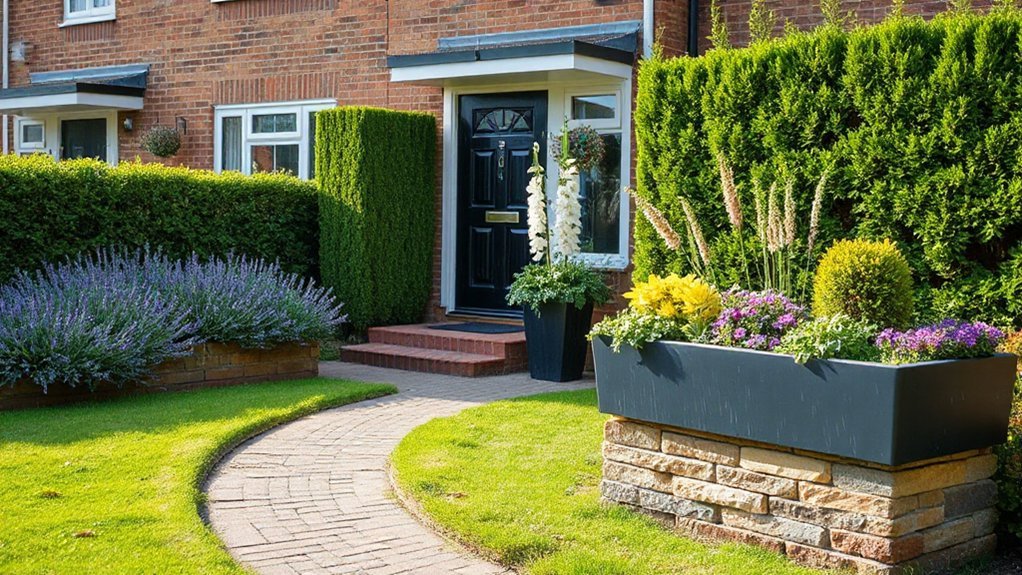
Evaluating your front garden is the essential first step toward a cohesive UK suburb makeover. You approach this with a methodical assessment, documenting existing constraints, utilities, and sightlines.
Begin by mapping the site: fences, boundary walls, and the driveway, then note any grading that affects drainage or plant selection. Your focus is on functional zoning that supports a balanced visual rhythm.
Consider the Front garden layout to establish sequence, accessibility, and seasonal interest, ensuring paths are single-file and clearly defined from the street.
Analyze drive circulation, noting achievable driveway design changes that maximise curb presence without overstepping local guidelines.
Prioritise low-maintenance, drought-resilient specimens and native species where suitable. This groundwork informs a cohesive, scalable plan for subsequent enhancements.
Set Your Curb Appeal Goals on a Budget
Establish a constraint‑aware scope: estimate installation and upkeep costs, then allocate a fixed percentage for contingencies.
Translate goals into concrete metrics—surface freshness, plant health, and focal points—so progress is trackable over time.
Emphasize plant arrangement as a low‑cost, high‑return element; optimize spacing, color, and seasonal interest to maximize perceived quality with minimal inputs.
Integrate garden aesthetics into the design brief, selecting materials and finishes that resist UK weather and reduce upkeep.
Document phasing, confirm supplier lead times, and revisit targets quarterly to stay aligned with budget and maintenance realities.
Transform Your Front Garden With Year-Round Plants
Year-round front-garden impact hinges on selecting plants that provide continuous structure, color, and texture through every season. You’ll build this foundation by combining evergreen backbone species with seasonally expressive perennials, shrubs, and grasses.
Choose drought-tolerant, low-maintenance varieties that tolerate UK rainfall patterns, ensuring steady form in winter frost and summer heat. Include layered planting: a cool-season groundcover beneath moderate-height perennials, plus taller accents for vertical interest.
Use native or well-adapted cultivars to support local wildlife habitats while minimizing maintenance. Plan pathways and mulch to reduce weed pressure and conserve moisture, reinforcing year-long structure.
Monitor for garden pests early, and apply targeted controls that preserve pollinators and beneficial insects. Maintain balanced spacing to avoid crowding and encourage healthy air circulation.
Create Year-Round Interest: Seasonal Color Palettes
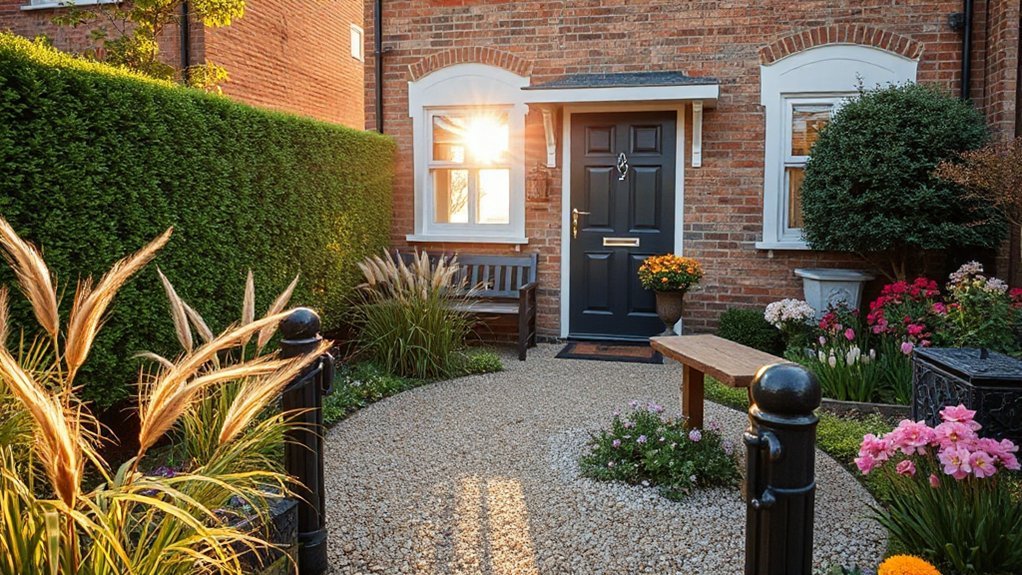
Seasonal palette planning guides you to synchronize bloom times, foliage hues, and container color for steady curb appeal.
We’ll outline practical approaches to Year-Round Color Strategies and coordinate planting calendars so shifts stay cohesive across seasons.
Seasonal Palette Planning
A well-planned seasonal palette guides plant selection and maintenance year-round, aligning colors, textures, and bloom times to maximize curb appeal in UK suburbs. You should map a supported sequence of color peaks, ensuring contrasting yet cohesive progressions between seasons.
Prioritize native and well-adapted cultivars to sustain growth, minimize maintenance, and support urban wildlife. Pair this with durable evergreen structure and medium-height fillers to maintain form through winter.
Consider subtle repeats of focal hues to create rhythm across beds, borders, and containers. When planning, account for mature sizes and spatial circulation to keep pathways visible and landscaping legible from the street.
Integrate garden furniture as anchors for viewing angles, and position plantings to frame sightlines without obstructing access. Monitor soil, drainage, and microclimates for reliable year-round performance.
Year-Round Color Strategies
To create year-round interest, curate color palettes that align with each season’s light, heat, and plant performance, ensuring continuous visual drama from spring through winter.
You design layered palettes that shift subtly with sun angle and rainfall, selecting perennials, shrubs, and grasses that peak at predictable moments.
Use cool-season tones for early warmth, shifting to mid-summer heat-tolerant hues, then crisp autumn accents, finally grounding winter structure with evergreens and bark tone.
Coordinate foliage, flowers, and berries to sustain wildlife viewing windows, supporting wildlife habitats while avoiding color clashes.
Implement soil-friendly plant mixes that reduce irrigation needs, aligning with garden irrigation schedules to maintain consistency.
Keep palettes modular for weather variability, enabling quick substitutions without dulling overall cohesion.
Planting Calendar Coordination
Coordinating a planting calendar is essential for sustaining year-round color and structure, ensuring you hit peak interest across seasons with minimal maintenance. You’ll align bloom windows, texture, and foliage to create continuous interest while avoiding gaps.
Build a palette with seasonal anchors: spring bulbs, summer perennials, autumn flowering shrubs, and winter evergreens. Map succession so color echoes from month to month and focal points remain visible year-round.
Integrate flowering times with regional climate patterns to reduce frost risk and water needs. Plan for maintenance windows, pruning after bloom, and seed/soil refresh cycles.
Consider Garden pests proactively by spacing susceptible species and using resistant cultivars. Also, designate wildlife corridors to support Wildlife habitats, ensuring pollinators and beneficial insects persist within your kerb appeal scheme.
Design Smart Pathways: Materials, Widths, and Safety
When you design your garden paths, prioritize material choices that balance durability, drainage, and aesthetics for UK suburbs.
Consider safe widths that accommodate two-way foot traffic and mobility aids, while keeping gradients gentle and slip-resistant.
Start with clear criteria for material Selection and Pathway Safety Widths to guide construction and maintenance decisions.
Material Selection
Choosing the right materials for smart pathways is essential for durability, accessibility, and curb appeal. You evaluate surface textures, slip resistance, and load capacity to align with UK climate realities. Consider permeable options to manage water runoff and reduce algae growth, while preserving aesthetics.
Concrete pavers offer durability and uniform joints. Natural stone delivers character but requires sealing and maintenance planning. Timber-structured paths bring warmth but demand rot resistance and proper drainage. Resin-bound aggregates provide seamless surfaces with high load tolerance and easy cleaning, yet mitigate weed intrusion with robust bonding.
Subbase preparation is critical: compacted gravel or stabilized mixtures improve longevity. Garden pests and moisture can affect organic mulch borders near paths, so balance planting with hard edging. Composting tips integrated into garden zones support soil health without compromising path function.
Pathway Safety Widths
Do you know the minimum and recommended widths that optimize safety and accessibility on UK residential pathways?
In design terms, standard residential pavements should accommodate at least 1.0–1.2 meters for single-person passage, with 1.5 meters preferred where two-way traffic or garden furniture transit occurs. Consider 1.2 meters as a practical minimum for primary routes, expanding to 1.5 meters where frequent wheelchairs or mobility aids are expected.
Widenings at entrances improve sightlines, reduce conflict with garden furniture, and support safe alighting from vehicles.
Ensure consistent surface level and slip-resistant finishes to maintain accessibility across seasons.
Plan for wildlife habitats adjacent to paths; planting shouldn’t encroach upon the walkway.
Maintain clear zones for maintenance access, avoiding obstructive features that compromise safety.
Groundcovers That Thrive in UK Climates
In selecting groundcovers, you prioritise robust rooting, disease resistance, and compatibility with local rainfall patterns to sustain year-round cover without frequent replacements. Use cases include rock garden integration and butterfly habitat enhancement, ensuring ecological value alongside visual appeal.
To guide establishment and maintenance, consider these options:
1) Sedum reflexum compact variety for drought tolerance and evergreen mats
2) Ajuga reptans for rapid spread, seasonal foliage colour, and weed suppression
3) Gaultheria procumbens if you need dense, low-growing ground cover with decorative berries
These choices reduce mowing, preserve soil integrity, and support pollinators while maintaining a tidy, cohesive kerb edge.
Replace or Reduce Lawn: Low-Muss Choices
Consider replacing lawn strategically to reduce maintenance while preserving curb appeal. Explore low-muss ground covers and drought-tolerant turf alternatives that fit UK climates, ensuring year-round texture and colour with minimal inputs.
This discussion focuses on choosing options that minimize soil disturbance, optimise water use, and align with your overall landscape goals.
Replace Lawn Strategically
Reducing or replacing lawn in UK suburban gardens focuses on lowering maintenance while preserving curb appeal. You’ll evaluate where lawn remains essential and where it costs more than it delivers, then implement strategic substitutions that still read as cohesive, high-quality spaces.
Consider the following approaches to optimize impact without increasing effort:
- Install lawn alternatives that tolerate local conditions and foot traffic.
- Introduce groundcover options that minimize mowing and weed control.
- Reserve high-use zones for hardscape or mulched pathways to reduce wear on remaining turf.
Implementation checkpoints:
- Assess soil, drainage, and sunlight to match the right groundcover species.
- Choose evergreen textures and complementary edging for year-round structure.
- Plan irrigation efficiency to maximize coverage with minimal input.
Low-Muss Ground Covers
Could low-muss ground covers deliver durable, low-maintenance alternatives to turf in UK suburbs? Yes, when judiciously selected, these options reduce mowing frequency, water use, and chemical inputs while stabilising soil and improving biodiversity.
Low muss ground covers form dense, evergreen or semi-evergreen mats that tolerate light foot traffic and variable shade, making them suitable for borders, paths, and under trees. Assess rooting depth, spread rate, and establishment needs to avoid competition with nearby shrubs.
Species such as creeping euonymus, vinca minor, and certain sedums offer durable foliage and seasonal interest with minimal maintenance. Consider propagation through cuttings or layering to control costs.
Plan for ongoing pruning to prevent overrunning desired textures, ensuring a neat, coherent kerb appeal.
Drought-Tolerant Turf Alternatives
Choose plantings that align with your soil profile and local rainfall patterns, integrating native grasses and drought resistant plants for improved ecological balance and low maintenance. This approach supports curb appeal through texture, color, and year-round presence.
Consider the following priorities:
1) Select native grasses to enhance regional biodiversity and reduce fertilizer demands.
2) Mix drought resistant plants with evergreen backbone for seasonal continuity.
3) Use groundcovers and permeable substrates to improve drainage and soil stability.
With proper layout, irrigation scheduling, and soil preparation, you maintain usable green space while lowering water use and upkeep.
Paving Borders: Framing Your Driveway With Style
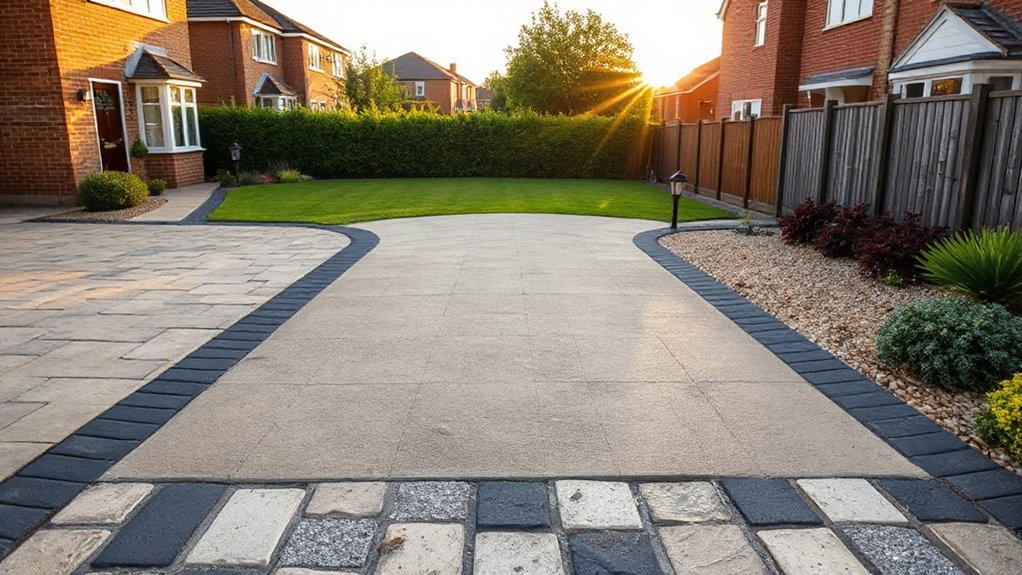
Paving borders around your driveway define the boundary between hardscape and garden and set the tone for curb appeal. You should treat borders as a structural feature that guides movement, drainage, and plant selection. Use permeable pavers to minimize runoff, ensuring stability under vehicle loads while sustaining soil health in adjacent zones.
Align grout and joint widths to emphasize clean lines and reduce weed intrusion, then cap edges with durable materials that resist settlement. Choose planting zones that complement the hardscape, balancing texture, color, and seasonality.
Integrate garden art as focal accents to create visual interest without clutter. Plan for maintenance access and seasonal pruning, keeping borders crisp year-round. Precision in layout and materials yields a durable, refined streetscape.
Define Beds With Clean Edging Techniques
You’ll establish sharp, defined borders by precise edge trimming that creates a clean shift between beds and lawn.
This strengthens the geometry of your planting schemes and makes maintenance predictable.
Use deliberate, repeatable motions to guarantee consistently neat lawn borders.
Precise Edge Trimming
Key actions to master precise edge trimming:
- Select a sharp edging tool and set a consistent cutting depth for uniform results.
- Establish a fixed reference line, then trim flush to soil or a landscape fabric edge.
- Regularly revisit boundaries to maintain crispity and deter encroachment.
With disciplined execution, you reinforce garden border definition, enhance visual appeal, and support professional-grade kerb appeal across UK suburbs.
Precise edge trimming elevates structural clarity and reduces edge wear over time.
Defined Lawn Borders
Tidy lawn borders begin with a well-defined edge that clearly separates turf from beds, helping beds read as deliberate, cultivated spaces rather than incidental margins. You implement Defined Lawn Borders by selecting a clean, repeatable edging method and enforcing it along the entire perimeter.
Use edging tools or channel spacers to create consistent depth and a straight, crisp line that contrasts with both lawn and mulch. Maintain the boundary with routine trimming and weed control, ensuring the edge remains intact after mowing.
Choose materials that suit UK suburbs’ aesthetics—brick, metal, or timber—install a tight seal against creeping roots, and verify drainage continuity. Integrate Garden furniture and wildlife habitats adjacent to borders where appropriate, balancing accessibility with ecological pockets for biodiversity.
Lighting for Evening Curb Appeal: Safety and Drama
Outdoor lighting is essential for safe navigation after dark and for highlighting key architectural features, so a thoughtful approach to evening curb appeal blends practical illumination with design drama. You’ll balance safety with aesthetics by selecting low-glare fixtures, aligning illumination with sightlines, and using warm colour temperatures to avoid harsh shadows.
To maximize impact, implement these principles:
- Layered lighting: path lights, step lights, and wall washes for depth and safety.
- Motion-activated zones near entrances to deter intruders while conserving energy.
- Integrated garden lighting to showcase garden furniture and key plantings after dusk.
Remember to coordinate with pest control considerations, and guarantee fixtures withstand UK weather. Verifies unobtrusive wiring, and keep maintenance simple for long-term curb appeal.
Weather-Proof Your Front Door Area
A weather-proofed front door area combines durable materials with thoughtful design to protect entryways from UK climate while preserving curb appeal. You select weather resistant materials for thresholds, seals, and cladding that resist damp, frost, and temperature swings without sacrificing style.
Install a continuous drip edge and well-sealed joints to deter water ingress. Then pair a solid door with a high-performance weather strip and low-porosity finish.
You’ll incorporate functional, low-maintenance features that support front door decor ideas while enduring seasonal rain. Use corrosion-resistant hardware and a ventilated, damp-proof cavity behind cladding to prevent mold growth.
Prioritize UV-stable finishes to maintain colour and texture, and guarantee proper drainage away from the doorway. Regular inspection of seals and drainage ensures sustained protection.
Rejuvenate a Worn Front Wall: Paint, Repoint, and Refresh
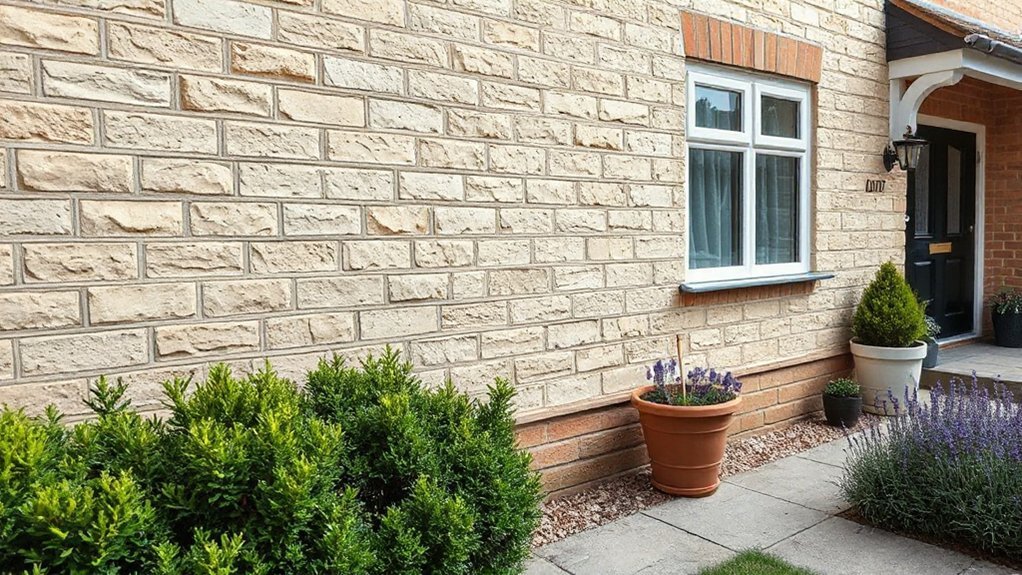
Start with a careful assessment of the wall’s condition to determine whether painting, repointing, or revitalizing is needed.
If you paint, choose breathable masonry paint and exact colour matching to preserve texture.
For repointing, use an appropriate mortar mix and proper joint detailing.
Finish with a targeted renewal—cleaning, weeding, and sealing joints—to extend longevity and enhance kerb appeal.
Paint The Front Wall
A worn front wall can silence your home’s first impression, but a focused refresh—paint, repoint, and reseal—restores integrity and curb appeal. To execute the Paint The Front Wall task efficiently, you should plan with precision and respect for landscaping trends while preserving garden sustainability. A disciplined approach guarantees durability and reduces maintenance needs.
- Prepare surfaces by cleaning, scraping loose material, and repairing cracks with compatible filler.
- Choose breathable masonry paint and apply in two coats, prioritizing even coverage and color stability.
- Seal joints and edges to prevent water ingress, then inspect after curing for any touchups.
This method emphasizes long-term resilience, aesthetic balance with surrounding plants, and minimal environmental impact in your UK suburb landscape.
Repoint And Refresh Wall
What’s the quickest route to restore both structure and curb appeal? Repoint And Refresh Wall focuses on stabilising masonry while elevating appearance.
Begin with a precise assessment of joints, identifying eroded lime mortar, premature cracking, and efflorescence. Remove deteriorated mortar to clean, square joints, then implement a compatible mix for repointing—prefer low water content to reduce shrinkage and match regional masonry.
After repointing, pressure-wash or brush-clean the surface as part of masonry cleaning to reveal sound units. Apply a breathable sealant or limewash if appropriate to protect without trapping moisture.
Repainting adjacent surfaces should align with the restored texture. This approach enhances wall restoration, preserves historic character, and delivers durable, low-maintenance curb appeal.
Conduct periodic inspections to maintain long-term performance.
Container Garden Tricks for Small Frontages
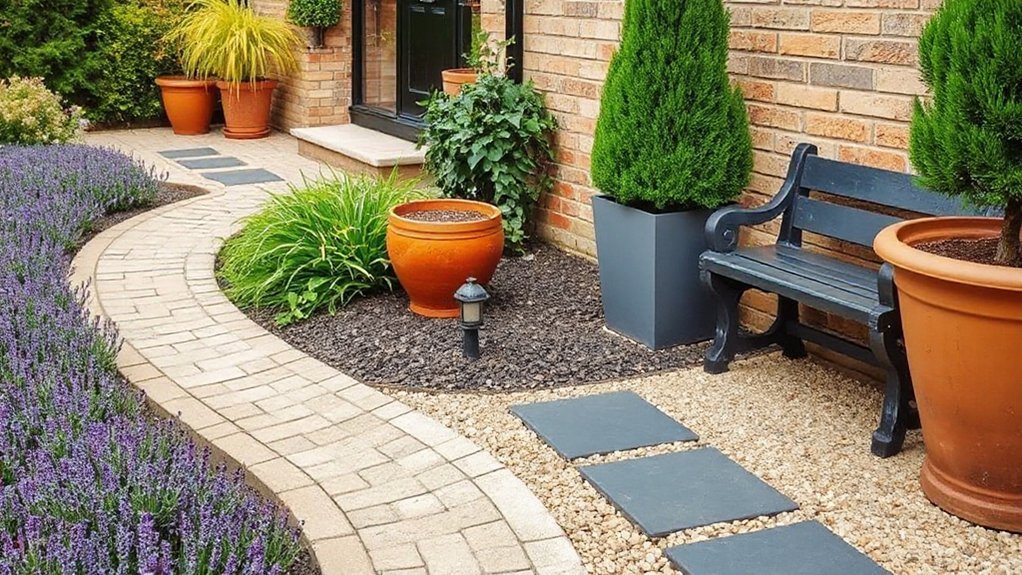
Container gardens on small frontages demand deliberate planning to maximize impact without clutter. You’ll optimize sight lines, scale, and seasonal interest by selecting compact, sturdy specimens and modular containers that unify the frontage. Use vertical space to reduce footprint and improve curb presence.
Focus on color harmony, texture, and hardscape cohesion to support front porch decor without overwhelming the entry.
- Choose modular planters that stack or nest for flexibility.
- Pair evergreen anchors with seasonal accents for year-round structure.
- Schedule staggered rotations to maintain consistent visual appeal.
Fencing for Privacy: Durable UK Options
Fascinatingly, durable fencing is the backbone of privacy in UK suburbs, where design, material choice, and installation details determine year-round seclusion and security. You assess fence height, legal requirements, and wind loading, selecting between timber, composite, and metal options for longevity.
Timber offers natural aesthetics but demands treatments to resist rot and pests. Composites minimize maintenance yet carry higher initial costs. Metal panels deliver robust security with low upkeep but may require corrosion protection in coastal sites.
For privacy, guarantee tight panel gaps and post spacing aligned with soil conditions, using concrete footings where soil stability is poor. Incorporate wildlife-friendly gaps above ground where feasible to support wildlife habitats.
Consider integrating composting techniques in adjacent garden zones to manage organic waste efficiently.
Reclaim the Front Wall and Gate Aesthetics
Reclaiming the front wall and gate aesthetics starts with a clear assessment of current condition, alignment, and materials, then harmonizing them with overall house and street presentation. You should evaluate structural integrity, surface finishes, and the gate hardware for corrosion, warping, or misalignment, and note any mismatches with surrounding masonry.
Prioritize consistent materials and a sympathetic palette to enhance curb appeal, guaranteeing clearance and sightlines remain unobstructed. front wall, gate aesthetics.
- Assess alignment and references to guarantee continuous lines from house to street.
- Harmonize materials and color with door, driveway, and fencing for a unified look.
- Upgrade hardware, hinges, and address gaps to improve durability and operation.
Mudroom-Ready Entrance Mood: Mats and Accessories
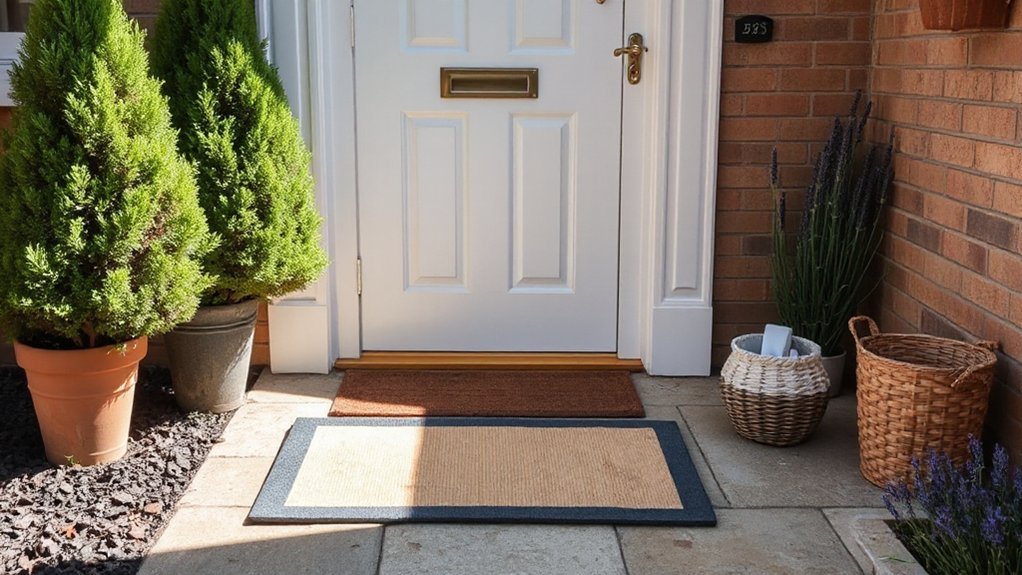
Mudroom-ready entrances hinge on practical, durable matting and thoughtfully chosen accessories that withstand UK weather while guiding visitors inside. You select entrance mats that tolerate rain, mud, and seasonal damp without curling or fading, prioritizing non-slip backing and high-traffic durability.
Pair mats with mudroom accessories that organize footwear, coats, and bags, reducing clutter at the threshold. Opt for modular seating or slim benches that fit narrow entrances, plus covert storage solutions to maintain a clean line.
Materials matter: choose solid metal, treated timber, and rugged synthetics that resist scuffs and staining. Maintenance is built in: removable covers, quick-clean fabrics, and rinseable drainage mats prevent moisture buildup.
This cohesive setup communicates preparedness and polish, reinforcing curb appeal while simplifying daily routines for residents and guests.
Mulch, Soil Health, and Drainage for Sustainability
Mulch, soil health, and drainage are foundational to sustainable garden design; when you choose the right materials and practices, you improve moisture retention, suppress weeds, and support long-term soil significance. You’ll optimise structure and nutrient cycling by combining organic matter with smart irrigation, observing drainage patterns, and integrating composting techniques and organic fertilizers.
1) Apply mulch to conserve moisture and regulate soil temperature.
2) Test soil pH and adjust with precise amendments rather than blanket additives.
3) Schedule drainage improvements to prevent waterlogging during heavy rainfall.
Materials selection matters: choose shredded bark or leaf mold for mulch, and use mature compost to boost microbial activity. Implement routine composting techniques, and rely on organic fertilizers to sustain nutrient availability without leaching.
This approach sustains soil health and resilience.
Seasonal Maintenance Calendar for Suburbs
Seasonal maintenance in UK suburban gardens requires a disciplined, month-by-month schedule that aligns with local climate patterns and your plant palette. You’ll implement tasks by season, not impulse, ensuring soil health, pest monitoring, and moisture control remain continuous priorities.
In spring, establish Wildflower meadows where possible, prune overgrown shrubs conservatively, and mulch shallow beds to conserve moisture without suffocating roots.
Summer requires irrigation planning, deadheading where relevant, and keeping evergreen borders tidy for kerb appeal.
Autumn focuses on soil restoration, leaf management, and composting residues, plus preparing perennials for overwintering.
Winter, compatible with frost risks, centers on protection of bare-root plantings and equipment maintenance.
Consider integrating Garden sculptures as focal anchors and guiding seasonal flows, while maintaining a consistent maintenance rhythm to maximize curb impact.
Scented Plants and Fragrance That Thrill Passersby
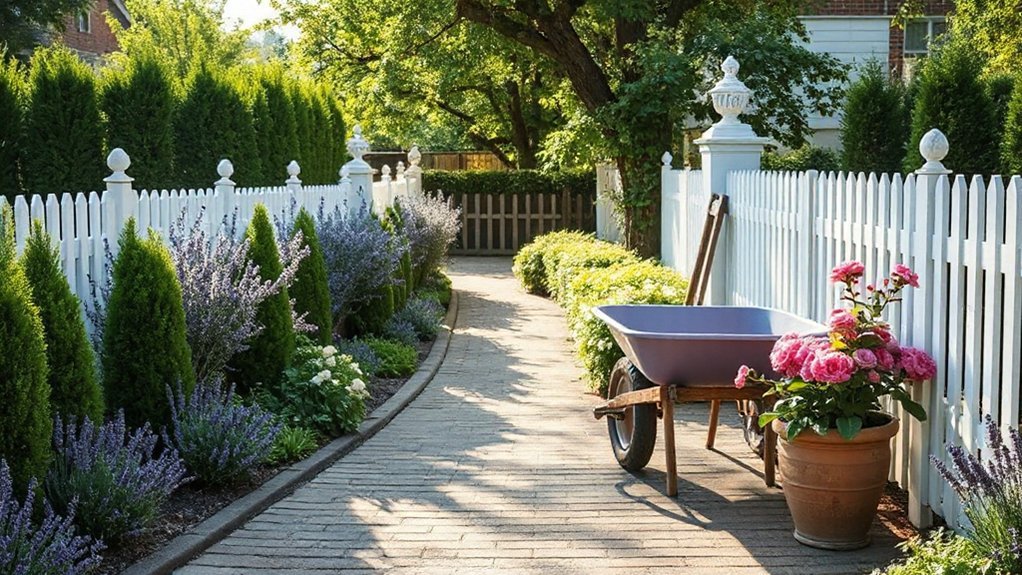
Scented plants can transform a suburban front yard into an inviting, multisensory experience that draws attention without overpowering neighbors.
In this section, you evaluate plant choices by scent strength, bloom season, and maintenance, ensuring a balanced aroma profile. Scented herbs and Fragrant shrubs are your core assets, pairing culinary notes with ornamental value for year-round impact.
Consider placement near entry points and walkways to maximize passersby exposure without creating scent drift into living spaces.
- Use Scented herbs at borders for quick release of essential oils.
- Position Fragrant shrubs near gates to greet visitors.
- Schedule seasonal pruning to preserve potency and reduce overpowering notes.
Before-After: Real Suburban Transformations
Before-and-after case studies offer concrete proof of how targeted changes in planting, hardscape, and maintenance can elevate kerb appeal in UK suburbs. You’ll see patterns emerge: measured plantings that frame the house, durable paths that reduce maintenance, and discrete lighting that extends usability without glare.
In one project, a compact front yard becomes a layered sequence of texture and color, with 底 lights guiding night perception and a low-maintenance lawn alternative to minimize mowing.
In another, bold evergreen structure anchors the frontage while seasonal herb borders provide scent without overwhelming sightlines. Urban farming elements introduce fresh, edible interest without crowding the curb, while wildlife corridors connect garden patches to neighborhood habitats.
These progressions demonstrate strategy, repeatability, and impact for suburban frontages.
Frequently Asked Questions
How Long Does a Typical Front Garden Makeover Take?
A typical front garden makeover takes about 2–6 weeks, depending on scope and weather. You’ll plan, implement garden decor and seasonal planting, then install hardscape elements, irrigation, and lighting, ensuring proper drainage and plant establishment for lasting curb appeal.
What’s the Best Budget-Friendly Curb Appeal Upgrade?
You should install decorative garden lighting and embrace stylish container planting for a budget-friendly curb appeal upgrade. These elements elevate visibility and structure, delivering a polished, authoritative look you can achieve quickly while maintaining cost-effectiveness and practical flexibility.
Which Plants Tolerate UK Suburban Shade Best?
Shade-tolerant plants thrive in your UK suburban shade, so choose ferns, hostas, and astilbes. You’ll maximize growth with proper soil and moisture. UK gardening tips, applied consistently, empower you to create a resilient, refined shaded border.
How Can I Boost Kerb Appeal Without Repaving?
You can boost kerb appeal without repaving by installing garden lighting and decorative pathways, focusing on contrast, scale, and durability; install low-voltage lighting for safety, use permeable, crisp-edged paths, and maintain tidy edges for a polished, inviting facade.
Do Professional Landscapers Add Lasting Value Locally?
Like a finely tuned engine, yes; professional landscapers add lasting value locally. You’ll see benefits through landscaping trends and garden maintenance, as skilled crews optimize layout, materials, and drainage to boost curb appeal and property resilience.
Conclusion
In the UK suburbs, your front garden becomes a precise blend of form and function. By evaluating, budgeting, and selecting year‑round plants, you’ll craft enduring curb appeal with durable pathways and sustainable soil care. Maintain rhythm with seasonal color palettes and a clear maintenance calendar, ensuring year‑round interest. Scented plant accents heighten perception from the curb, while smart drainage safeguards integrity. So, are you ready to transform your entry into a measurable, marketable asset with professional clarity?
About the Author