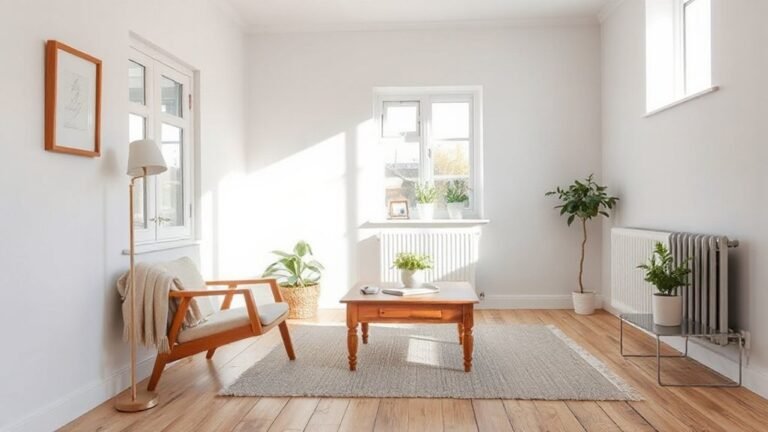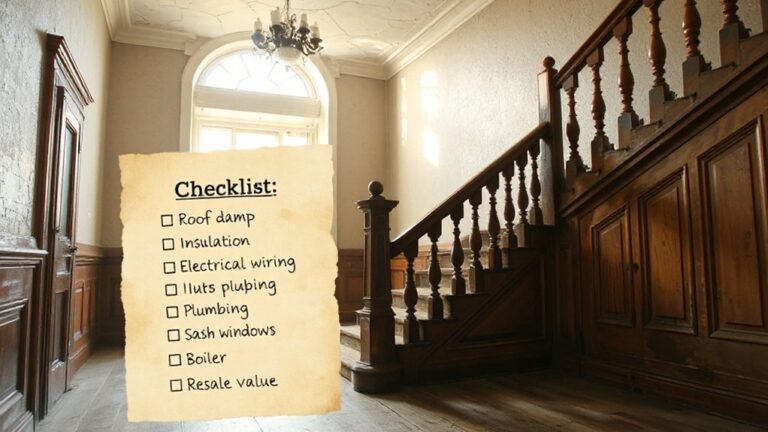
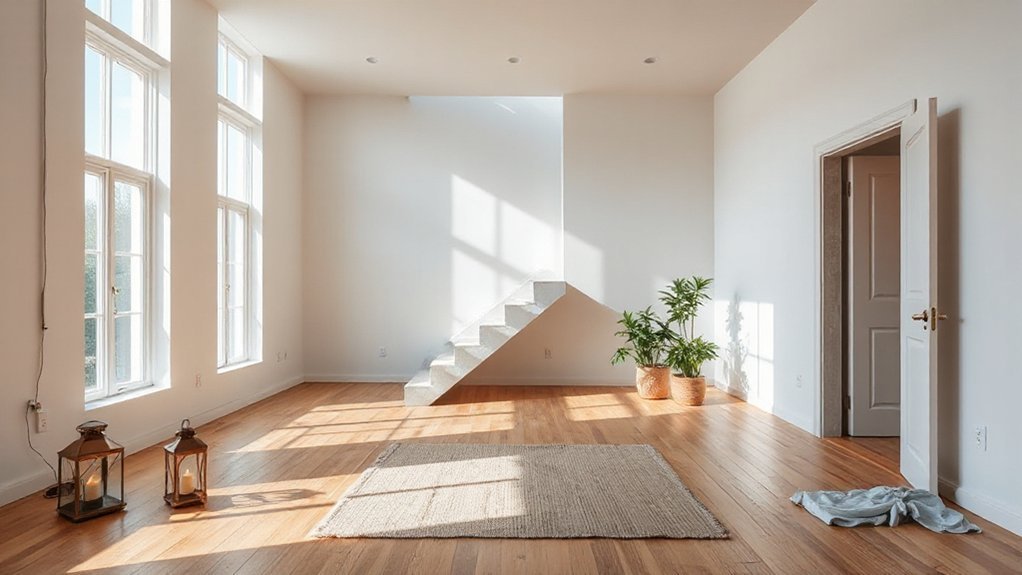
Transform a plain new-build into a warm, expressive home by layering color, texture, and natural materials with thoughtfully scaled furnishings. Start with a cohesive palette of warm neutrals plus deliberate accents, then add tactile textures like timber, linen, and wool. Use vintage touches and well-placed lighting to create character without clutter. Plan your zones for flow, frame focal views, and curate art in thoughtful groups. Stick to purposeful pieces that echo a personal narrative—and you’ll uncover more pathways to character as you go.
Identify Your Core Style for a Modern Home
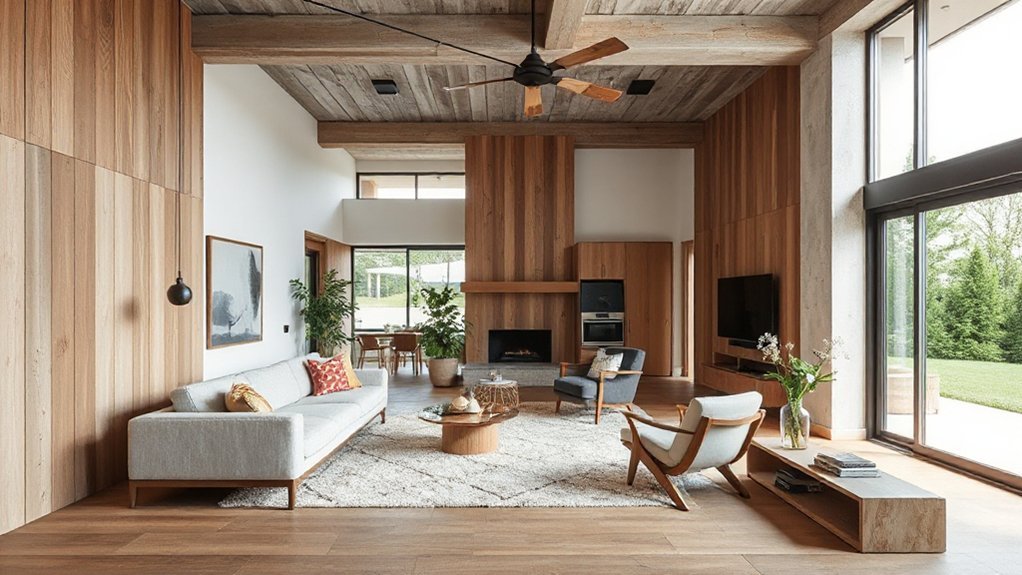
Identifying your core style sets the tone for a modern home you’ll love living in. You’ll gain clarity when you define nonnegotiables and moments you want to glow.
Start with 2–3 anchor attributes, like clean lines, warm texture, or playful drama, and map them to daily life. Consider how rooms will feel during morning routines, work projects, and relaxed evenings.
Then translate those feelings into practical choices: color families, furniture silhouettes, and lighting layers that reinforce your intent. Vintage touches can introduce character without clutter, while an eclectic mix keeps spaces alive and personal.
Build a simple mood board, then test it in one zone before expanding. Your core style acts as a compass, guiding budget, selections, and the days you actually enjoy living there.
Warm It Up: Natural Materials and Textures
You’ll start layering warmth by choosing natural materials and textures that feel honest and enduring. Combine timber, stone, and linen with mindful scale to create texture-rich surfaces that invite touch and light play.
This practical approach sets a tactile, inspirational foundation for character that ages gracefully with your home.
Natural Material Layers
- Choose responsibly sourced timber with visible grain.
- Layer cork or stone for earthy, quiet foundations.
- Add clay plasters for breathable walls and subtle warmth.
- Integrate linen textiles and wool rugs for softness.
- Stucco or brick accents to ground rooms with natural color.
These choices stay practical: they’re durable, easy to maintain, and visually honest.
As you mix materials, aim for cohesion over fuss, letting each layer speak in its own natural voice.
The result: a tactile, inviting home that wears its character lightly.
Texture-Rich Surfaces
You’ll create depth by layering materials with subtle contrast, so each touch yields a distinct moment of discovery.
Choose a Textured wall as a focal point—a rendered plaster with a fine grit, or a sculpted panel that catches light differently from adjacent surfaces.
Pair this with surface contrast: a slick concrete counter against a softly patinated wood, or a woven textile rug against smooth plaster.
Limit reflectivity to keep warmth intact, and let texture guide acoustics and sightlines.
In practice, test samples on-site, then weave textures into your spatial rhythm and stories.
Color Strategies That Add Character to a New-Build
Color is your first tool for giving a new-build personality, so start with a cohesive palette that reflects how you want each space to feel. You’ll guide mood with color palettes that ground rooms, then add subtle energy through deliberate accents. Use warm neutrals as a base and weave in bold or muted contrasts as Accent accents to create focal moments without shouting.
Keep consistency across rooms to maintain flow, while letting each area express its function through careful shade choices. Test samples in natural light, observe over a day, and adjust before committing. Small tweaks—like a door color, trim, or textiles—can transform perception.
- Build a core palette, then layer in accents
- Match wall color to furniture tones
- Use lighter shades for airiness
- Introduce pockets of deeper hue
- Balance color with texture and material finishes
Scale and Proportion You Can Live With
Scale what feels right for you without crowding or drifting. Proportion turns daily acts into ease, so you can move, sit, and store with intention.
Aim for a balanced rhythm between space and function, and let every detail support living comfortably.
Scale That Feels Right
Finding the right scale for a new-build home isn’t about chasing trends; it’s about ensuring every room feels comfortable and firsthand livable. You’ll notice that proportion guides flow, not rules. Keep ceilings tall enough for air and light, but balance doorways, furniture, and window placements so movement feels natural. Scale should invite lingering—not crowd you.
Use bold pieces sparingly, letting smaller details—like vintage accents and statement textiles—accentuate room personality without overwhelming space. Measure sightlines from entry to focal points, ensuring easy navigation and clear corners. Trust how you feel: if a room relaxes your posture, you’ve hit the right balance.
- Calibrate furniture to room footprints for unobstructed paths
- Place seating to frame focal views without crowding
- Use contrasts in size to highlight key pieces
- Integrate vintage accents to add character
- Choose statement textiles to energize spaces
Proportion For Everyday Life
When you design for everyday life, proportion becomes your everyday ally—not a rigidity, but a framework that keeps daily routines flowing smoothly. You’ll balance furniture, windows, and fixtures so routes feel natural and spaces breathe, avoiding awkward gaps and cramped corners.
Think in scales that invite use: a sofa that invites lounging, a table that fits your family’s meals, and storage that doesn’t shout but serves. Vintage accents subtly shift the feel without overpowering rooms, while artistic displays add personality without crowding sightlines.
Let rhythm guide placement: group chairs to foster conversation, align desks with light sources, and meter wall art so focal points anchor rather than overwhelm. With thoughtful proportion, your home supports real life—functional, welcoming, and thoughtfully styled.
Balance Between Space
As you apply everyday life’s rhythm to scale and proportion, balance becomes the compass that keeps spaces usable and inviting. You’ll create confidence by testing flow, ensuring open plan areas don’t feel endless, and defining spatial zones that support tasks without breaking cohesion.
Start with sightlines and furniture placement that respect human scale, then refine ceiling height relationships and surface weights to prevent heaviness or emptiness. Use proportion tricks like repeatable materials, aligned edges, and consistent leg heights to unify the space.
Consider door swing, walkable paths, and storage that doesn’t crowd. Open plan, Spatial zones—these tools help you breathe without losing connection. Your home gains character through deliberate rhythm, not random furniture.
- Define open plan zones with subtle furniture boundaries
- Align lighting and textures across zones
- Prioritize clear walkways and reachable storage
- Use scale-appropriate furniture groups
- Test daily routines for flow and comfort
Layer Lighting to Create Mood and Narrative
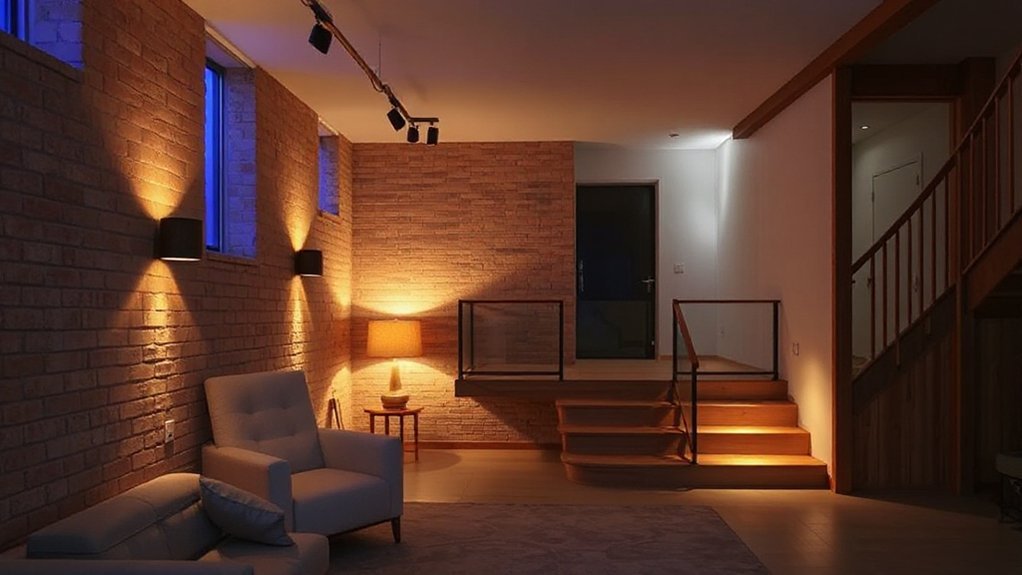
Layering lighting isn’t just about brightening a room; it’s about shaping mood and storytelling, room by room. You’ll layer ceiling, wall, and task lights so every zone serves a purpose, from morning prep to evening unwinding.
Start with ambient glow to soften edges and create a welcoming atmosphere. Add task lighting where you read, cook, or work, ensuring even, glare-free illumination.
Introduce accent fixtures to highlight architectural details or art, guiding the eye through the space. Use dimmers to modulate intensity and reveal texture as natural light fades.
Consider shadow play to add depth: a wall sconce can cast flattering silhouettes, while under-cabinet lighting adds drama to counters.
Balance warmth and brightness, and your home will feel intentional, alive, and uniquely yours.
Furnish With Intent: Focal Pieces and Everyday Comfort
Furnish with intent by choosing focal pieces that anchor your rooms and everyday comforts that invite you in. You’ll select anchors—sofa, rug, or sideboard—that define scale and function, then layer with comfort items that feel lived-in from day one.
Prioritize versatile textiles and durable finishes, pairing vintage accents with modern frames to fuse eras. Let statement textiles—bold throws, textured cushions, or a patterned rug—set the mood without overpowering the space.
Keep circulation clear and sightlines open, so each piece earns its place. Below are ideas to deepen the hook:
- Choose a single, meaningful focal piece per room
- Mix textures for tactile contrast
- Introduce vintage accents sparingly
- Use statement textiles as color anchors
- Opt for functional comfort that lasts
Beautify Walls and Ceilings Without Renovations
Walls and ceilings can dramatically elevate a new-build without a single drill bit or can of paint—start with smart, noninvasive tweaks that bring character and cohesion. You don’t need a full redo to feel instantly styled; you just need deliberate texture, color cues, and curated contrast.
Add Vintage accents through small features: a decorative stencil, retro lighting, or a framed textile panel that hints at history without permanence.
Emphasize ceiling lines with trim, removable wallpaper, or sky-inspired decals to create height and interest.
Integrate Artistic murals as tasteful focal points in alcoves or niches—keep scale modest and reversible.
Balance walls with purposeful lighting, layered fabrics, and artful shelving.
The result is cohesive warmth that respects the new-build while exuding personality.
Storage That Feels Deliberate and Calm
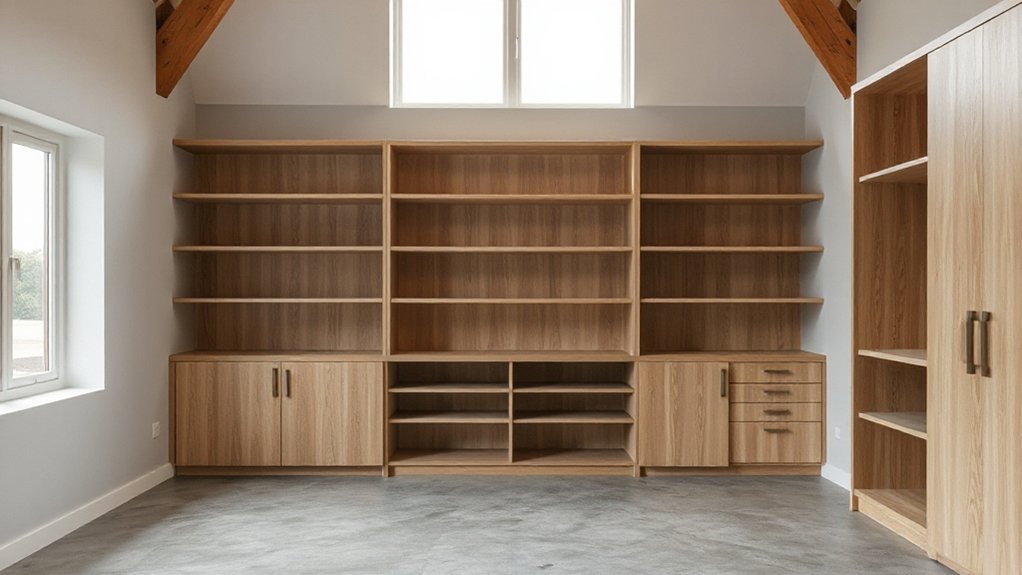
Deliberate storage in a new-build starts with sightlines you can trust and spaces you can actually use. You’ll plan built-ins that streamline daily routines, not clutter them, so every drawer has a purpose and every shelf earns its keep.
Choose materials that age well and feel calming to touch, then layer function with texture to soften the geometry of new walls. A sense of quiet comes from deliberate grouping and clear boundaries between media, textiles, and tools.
Let Vintage accents and an Eclectic mix anchor calm zones without shouting. The result is storage that supports living, not competing with it.
- Hidden pull-outs for daily items
- Quiet, labeled zones for baskets
- Mixed woods that age gracefully
- Perimeter shelving for display
- Discreet charging/tech nooks
Personalize Safely: Art and Collections in a Modern Home
Personalize safely by choosing art and collections that breathe life into your space without overwhelming it. You’ll curate with intention, balancing scale, color, and meaning so focal points feel deliberate, not cluttered.
Begin with a single statement piece in each room, then add supporting pieces that echo its mood. Favorite memories can live in small, meaningful displays rather than crowded shelves.
Mix vintage touches with modern frames to create contrast without chaos. Group artworks in threes or align them along a sightline to maintain flow.
Rotate pieces seasonally to keep energy fresh without excess. Label galleries discreetly for personal reference, not guests.
Aim for cohesive stories through consistent framing and spacing, ensuring every piece—whether a print or sculpture—contributes to a calm, curated home. Artistic displays become your quiet signature.
Bring Nature In: Greenery and Natural Details
You’ll start by choosing easy-care indoor greenery and placing it where you’ll actually notice it daily.
Think about natural textures—wood, stone, woven fabrics—and tweak lighting to highlight them without glare.
As you mix plants with simple natural details, you’ll create a calm, inviting backdrop that feels connected to the outdoors.
Indoor Greenery Ideas
In a new-build home, indoor greenery isn’t just decoration—it’s a living, breathing way to soften sharp lines and bring warmth to raw spaces. You can curate easy wins that feel immediate and practical, from compact pots on a sunny sill to a deliberate corner with tiered planters. Focus on structure, texture, and scent to cue calm and productivity.
Urban agriculture and indoor herb gardens become functional art you actually use, not just look at. Choose hardy varieties, label care, and rotate seasonally. Use cleaned, matching containers for cohesion, and group plants by light needs to simplify maintenance.
- Low-profile herb trays on the kitchen windowsill
- A vertical planter for herb roots and greens
- A compact fiddle-leaf or pothos for vertical motion
- Aromatic herbs near food prep zones
- A labeled, water-efficient irrigation plan
Natural Details in Design
Incorporate eco-friendly finishes to reduce impact without sacrificing warmth, ensuring every surface speaks of care for the environment.
Introduce plants in varied scales, from tall focal specimens to small tabletop greens, to create visual layers and air softness.
Use vintage accents—a chair, a lamp, or a mirror—to anchor modern lines with character.
Pair natural color palettes with subtle contrasts for a calm, inviting rhythm.
DIY Tweaks That Respect a New Build’s Core
From the moment you move in, aim for edits that honor the builder’s structure and materials rather than working against them; subtle tweaks can boost comfort and character without compromising the integrity of the frame.
DIY tweaks that respect a new build center on noninvasive, reversible changes. Prioritize lighting, hardware, and textiles that highlight existing lines while adding texture and warmth. Choose finishes that mirror the home’s palette, so upgrades feel intentional, not out of place.
Integrate storage solutions that enhance usability without altering wall or floor planes. Opt for removable art and decor that celebrate personality—think vintage accents and artistic displays—without drilling or major renovations. Keep contrast tasteful, and document changes for future alterations.
- Layer warm lighting
- Swap cabinet pulls
- Introduce tactile textiles
- Curate small art vignettes
- Use removable shelves
Create a Cohesive Flow: Zone Framing and Narrative Moments
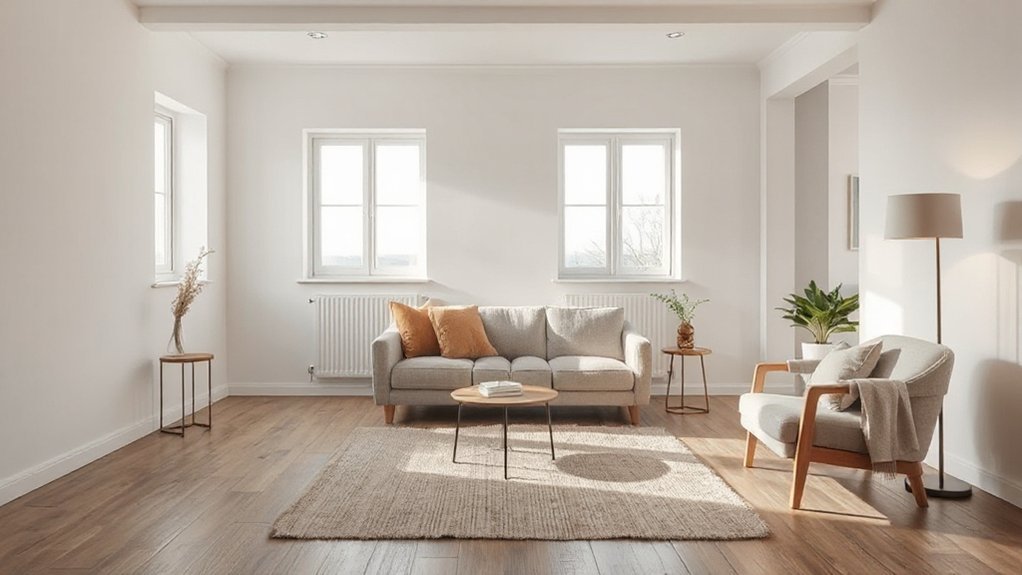
You’ve set the stage with subtle, reversible tweaks; now grid your home into purposeful zones that guide movement and mood. Start with clear thresholds: a living area that invites linger, a kitchen that reinforces quick, sociable gatherings, and a quiet zone for focus or wind-down.
Use furniture placement, lighting layers, and color cues to orient each space without shouting passages. Build narrative moments by repeating a motif—perhaps a vintage accent or a shared material—across zones to create visual continuity.
Think of circulation like a storyline: entrances spark curiosity, passages offer relief, and focal points punctuate your journey. Integrate artistic patterns in textiles or wall art to weave texture without clutter, ensuring each zone feels intentional, cohesive, and alive.
Frequently Asked Questions
How Can Small Changes Boost Character Without Cluttering Space?
You can boost character with smart, compact touches: hang wall art at eye level and rotate it seasonally, add decorative textiles like cushions and throws, choose textured fabrics, and curate a cohesive color palette to avoid clutter while elevating style.
Which Budget-Friendly Accents Deliver the Biggest Impact?
Brighten your space with budget-friendly accents that deliver big impact: choose vintage furniture and artistic wall coverings, you’ll transform rooms fast. Think bold textures, layered tones, and practical tweaks that feel timeless, distinctive, and completely doable. You’ve got this.
What Lighting Layering Tricks Create Coziness in New Builds?
You can achieve cozy scenes with ambient lighting and layered illumination—place warm sconces, dimmable ceiling fixtures, and table lamps at different heights. You’ll create depth, warmth, and inviting corners you can tweak for mood and function.
How to Mix Eras Without Clashing in a Modern Home?
To mix eras without clashing, you’ll blend architectural details with vintage accessories, avoiding loud contrasts. You’ll keep lines cohesive and textures varied, striking balance between modern calm and nostalgic charm for a practical, inspirational, detail-oriented result.
What Non-Permanent Finishes Add Warmth and Personality?
You’ll add warmth with non-permanent finishes by embracing vintage furniture and artistic textiles, which transform spaces without commitment. You can rearrange, layer fabrics, and swap accent pieces, enjoying instant character and practical, inspirational, detail-oriented results.
Conclusion
You’ve got the blueprint for character, now live it. Start with your core style, layer natural textures, and pick color in practical, thoughtful doses. Scale and lighting become your storytelling tools, guiding mood and flow. Add safe, personal touches—art, greenery, small collections—that feel meant to be there. Keep tweaking with DIY tweaks that respect the build. Think of your home as a well-framed narrative: every detail, a scene; every room, a moment that feels meant to be.
About the Author