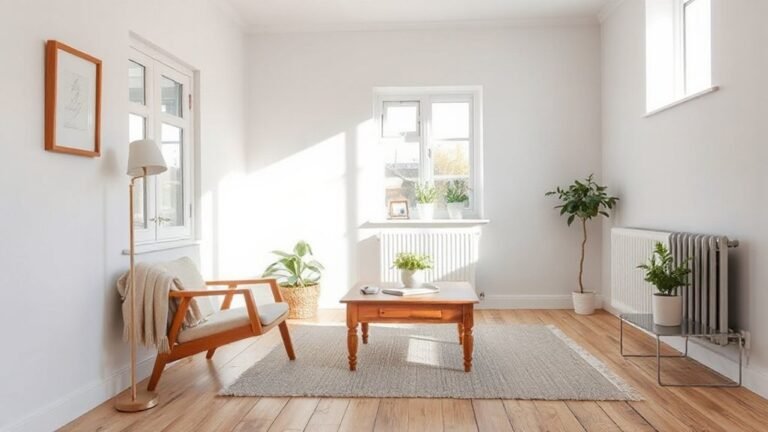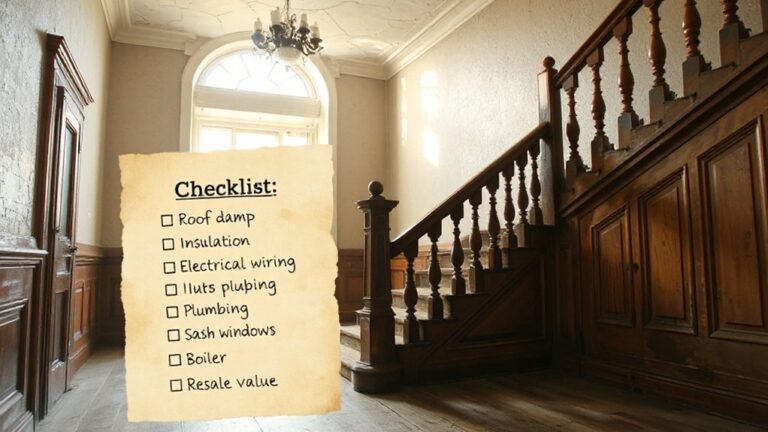
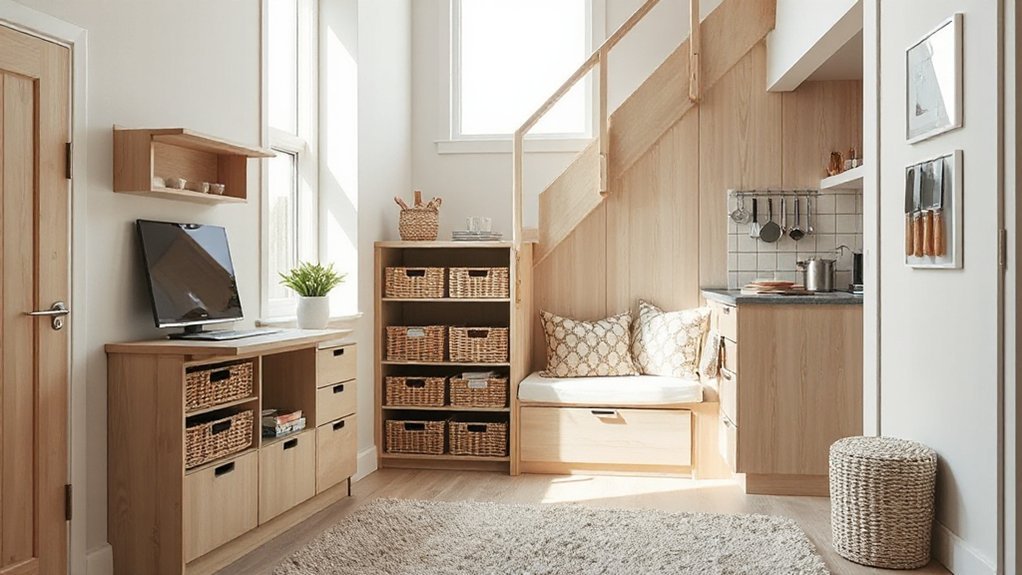
Maximise every square inch by audits, decluttering ruthlessly, and planning around high-traffic zones. Tackle hotspots first—entryways, kitchens, and living rooms—then use vertical rails, labeled bins, and see-through containers to keep floors clear. Opt for built-ins, slim tall storage, and hidden compartments under stairs or in alcoves. Choose multi-functional furniture with built-in storage and modular pieces that reconfigure to your needs. Stay consistent with daily tidy-ups and monthly purge cycles to keep spaces sleek and usable; you’ll uncover more smart tweaks ahead.
Audit, Declutter, and Plan: A Quick Framework for Small UK Homes
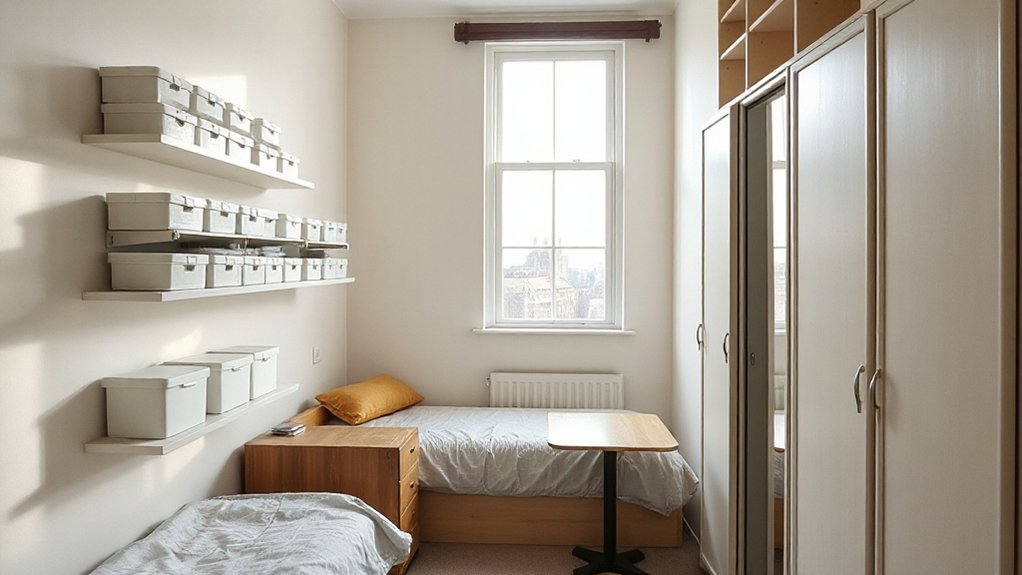
If you want to add storage in a compact UK home, start with a quick audit to see what you actually use and what just sits idle.
Next, declutter ruthlessly—keep only items you genuinely need or love, and group similar goods.
Create a simple plan that prioritises storage optimization and space maximization without overhauling layouts.
Catalog each category: frequency of use, preferred access, and current location.
Measure surfaces, depths, and door clearances to avoid ill-fitting solutions.
Identify duplicate tools or seasonal items and decide what to rotate seasonally.
Sketch a compact, practical scheme: include multifunction furniture, vertical racks, and under-bench storage.
End with a phased timeline, defining immediate, short-term, and long-term actions to keep momentum and maintain a tidy, efficient home.
Room-by-Room Clutter Hotspots to Tackle First
Start by identifying clutter hotspots room by room, using your audit from the previous step as a guide. Begin with high-traffic zones: entryways, living rooms, and kitchens. Then move to storage-heavy spaces like the garage and hallway closets.
Prioritize items that recur daily or weekly, such as mail, electronics, and shoes.
In the kitchen, target the kitchen pantry and counter surfaces first, removing nonessentials and grouping similar items by use.
In the garage, separate tools, seasonal gear, and bulky containers, then implement labeled bins and clear shelving.
Create a simple, repeatable system: designate a home for every item, recycle or donate what’s unused, and review weekly.
Tidy, functional zones reduce friction, supporting quicker routines and smoother storage integration across your compact home.
Make the Most of Vertical Space in Compact Layouts
Height is your best ally in tight layouts. You can reclaim floor space by exploiting vertical walls with purpose. Use tall, slim storage units that reach the ceiling, so you gain shelves without widening the room.
Vertical shelving lets you group similar items—books, boxes, office essentials—on continuous heights, reducing overstack and visual clutter. Install adjustable panels to tailor each shelf to its contents, keeping airflow and access smooth.
Choose hanging organizers for doors and wardrobes to multiply pockets without bulk, perfect for shoes, accessories, or cleaning supplies.
In kitchens, mount narrow pantry units beside counters to create micro-zones. In living spaces, wall-mounted cabinets above seating prevent pincer-squeeze on floor area.
Finish with a cohesive color or material to maintain a calm, airy feel.
Clever Wardrobes and Built-Ins That Fit Tight Spaces
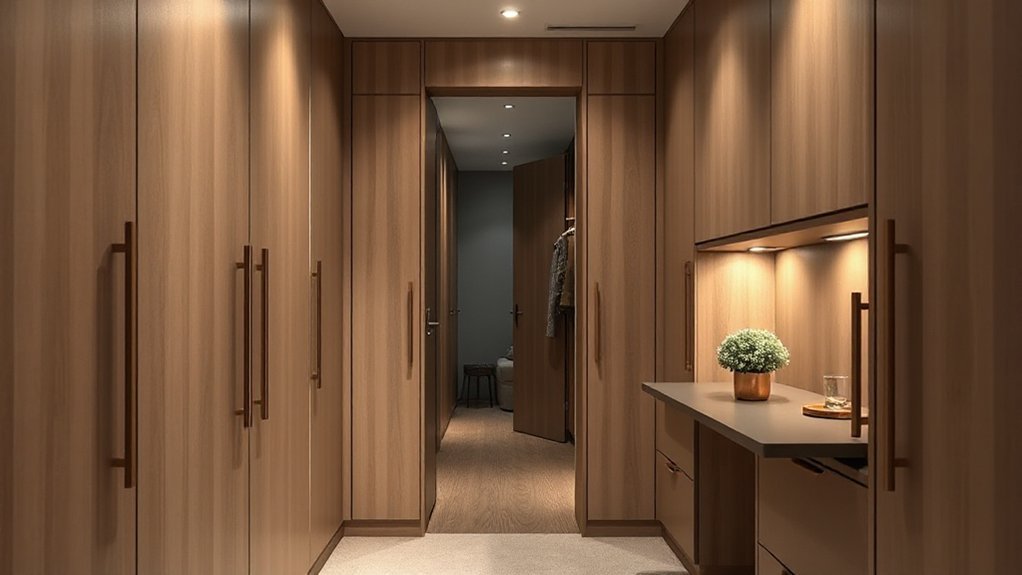
When space is tight, wardrobes and built-ins should work as hard as the room allows. You’ll maximize every inch by choosing modular rails, deep drawers, and pull-out accessories that reduce clutter and save time.
- Use tall, recessed wardrobes with full-height doors.
- Install pull-out racks for belts, ties, and shoes.
- Add integrated lighting to aid clothing organization.
- Choose slim profiles and mirrored fronts to visually enlarge the room.
- Opt for soft-close drawers and adjustable shelves for flexibility.
Clothing organization thrives with smart zoning: allocate sections for workwear, casuals, and seasonal pieces. Wardrobe lighting highlights each area, making items easy to find at a glance.
Your goal is a calm, curated space that feels expansive, not cramped.
Under-Stairs and Alcove Solutions That Work
Under-stairs storage tricks, alcove built-in solutions, and compact corridor shelving offer smart, space-saving options you can implement today. You’ll discover slim, accessible storage that fits awkward nooks without crowding rooms.
Let’s explore practical layouts and quick installs that maximize every inch of your home.
Under-Stairs Storage Tricks
Under-stairs storage can transform wasted air into usable space, so you get a tidy, functional area without expanding your footprint. You’ll exploit vertical depths with hidden compartments and modular shelving, keeping essentials accessible yet discreet.
Use decorative crates to add texture and charm without bulk. Silence unsightly clutter by choosing shallow bins that slide in and out smoothly, and label them for quick retrieval.
Optimize the landing by pairing slim drawers with a pull-out wardrobe rail for coats and bags. Tailor lighting to highlight the navy of the space and deter dust buildup.
Plan around traffic flow, so you don’t impede stairs.
- Hidden compartments
- Decorative crates
- Slim sliding drawers
- Pull-out wardrobe rail
- Integrated lighting
Alcove Built-In Solutions
Ever thought an alcove could become your best storage ally? In compact UK homes, alcove built-in solutions maximize vertical space without sacrificing floor area.
Start with alcove shelving to display essentials while keeping everyday items behind doors. If you prefer a cleaner look, opt for built-in cabinets that blend with your room’s architecture, using slim profiles and soft-close hardware.
Consider adjustable shelves for varying items, and integrate toe-kick lighting to reduce visual heaviness. For under-stairs alcoves, design a shallow pull-out or hinged door to conceal bulky gear yet maintain quick access.
Material choices matter: sturdy laminates, veneered MDF, or solid timber that resists wear. Finish with matching handles and a cohesive color scheme to keep the space airy and purposeful.
Compact Corridor Shelving
Could you make the most of a narrow corridor with built-in shelving that stays tidy and accessible? Compact corridor shelving leverages vertical depth, keeping essentials within reach without crowding footpaths. Choose modular units that fit the alcove profile, with shallow shelves for quick-grab items and deeper bays for bins or baskets.
Materials should balance industrial aesthetics with warm touches to avoid cold vibes. Integrate soft-close hardware and hidden supports to maintain a clean line. Use a consistent color palette to unify disparate items and reduce visual clutter.
Finish with a discreet lighting strip to highlight storage and illuminate paths.
- Industrial aesthetics-inspired metal accents
- Hidden-inset brackets for a floating look
- Vintage accents through aged wood or brass hardware
- Wire baskets for airflow and organization
- Label-friendly bins for quick retrieval
Multi-Functional Furniture for Flexible Living
Think about hidden storage benches and convertible seating units as two sides of the same coin: keep seating comfy now, stash essentials later. You’ll gain surface space and clean lines without clutter, perfect for tight UK homes.
Start with a bench that opens for lids and a sofa that folds into a bed to map your daily flow.
Hidden Storage Benches
- Concealed storage under the seat for clutter-free surfaces
- Lightweight frames with durable upholstery that withstands daily use
- Quick-lift mechanisms for easy access and ergonomic comfort
- Dual-purpose tops that serve as side tables or display surfaces
- Neat edges and finishes that suit modern, minimalist aesthetics
These features deliver practical, precise storage solutions you can trust, while preserving a sleek, cohesive look. Hidden storage, bench seating, and intelligent design work together for flexible living.
Convertible Seating Units
Look for built-in storage under seats or lift-up lids to hide away seasonal items. Multi purpose furniture should maximize movement, so select modular designs that reconfigure without tools—perfect for small UK homes.
When sizing, measure doorways and room flow to avoid awkward gaps. Opt for low, streamlined silhouettes to preserve sightlines and airiness.
Convertible seating adds daily flexibility, transforming a sofa into a bed or a dining perch in seconds. Prioritize durability and finish to endure frequent use, and favor neutral tones you can accessorize.
Convertible seating, multi purpose furniture, practical style.
Budget-Friendly Tweaks for Instant Gains
Small, smart upgrades can add noticeable storage without breaking the bank. You’ll gain instant space without major renovations by prioritizing clever organization, compact fixtures, and adaptable surfaces.
Start with under-bed drawers, wall-mounted shelves, and modular units that double as seating. Use vertical rails for hooks, baskets, and tote storage to keep floors clear. Choose furniture with built‑in storage to multiply usable space without visual clutter.
- Install slim, tall chests in alcoves or hallways
- Add wall-mounted cubbies near entryways
- Use bed frames with built‑in drawers
- Choose ottomans that open for hidden storage
- Implement hanging organizers on closet doors
Creative lighting and color schemes matter: they brighten, define zones, and make compact rooms feel larger.
Simple Maintenance Habits to Keep Storage Tidy
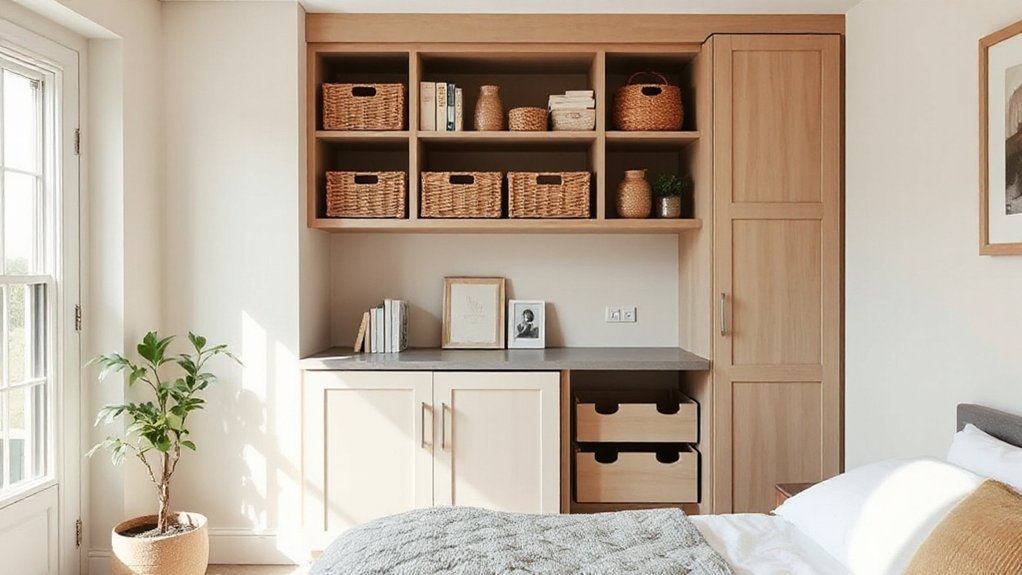
To keep storage tidy, build simple, repeatable habits that fit your routine. You’ll set a daily 5-minute quick scan to return items to their place, avoiding pileups in hallways or closets.
Use clear zones: one shelf for gardening tools, one bin for seasonal decorations, and label each with simple tags.
When you unpack, tidy first, then place items by frequency of use. Keep containers stackable and see-through so you can spot clutter before it grows.
Regularly purge duplicates and worn-out pieces, especially seasonal decorations after holidays. Schedule a monthly audit to swap items you no longer need for useful replacements.
These small checks prevent chaos, making maintenance feel effortless, not onerous, while keeping every corner streamlined and ready for you to enjoy.
Frequently Asked Questions
How Can I Legally Convert Storage Under Stairs in the UK?
You can, but you must guarantee Legal compliance; obtain permissions, plan with Building Control, and meet fire and access rules. Staircase conversion may require light, egress, and habitable space standards; check party wall and local regulations before proceeding.
What Insurance Covers DIY Storage Renovations in Small Homes?
Insurance claims aren’t automatic; you’ll want renovation coverage that specifically includes DIY storage work. You imagine your space expanding, then secure, protected walls and floors, guiding you through claims with precise, practical steps and stylish peace of mind.
Are There Weight Limits for Built-In Storage in Compact UK Flats?
Yes, there are weight limits you must respect. Check your flat’s floor and wall specs, then guarantee storage materials stay within stated weight restrictions, using light, sturdy components to avoid sagging while maximizing space in compact UK flats.
How Can I Maximize Storage Without Reducing Living Space for Guests?
Yes—maximise storage without shrinking guest space by using multi functional furniture with hidden compartments. You’ll wow visitors while staying organized; think compact sofa beds, ottomans, wall beds, hidden drawers, and ceiling storage for stylish practicality.
Which UK Planning Rules Affect Adding External Storage Sheds?
You must check UK planning rules for sheds, including prohibited sizes and garden fencing boundaries, plus solar panel regulations if you’ll install panels near the shed. Confirm compliance before building; otherwise, you risk permits or enforcement actions.
Conclusion
You’ve learned smart ways to squeeze storage into smaller UK homes, from decluttering to clever built-ins. Now, implement each tip with purpose: audit first, then layer in vertical and multifunctional solutions. Stay disciplined with maintenance, so habits keep clutter at bay. And remember—space isn’t just won, it’s revealed. Like a well-tailored wardrobe, your home should feel effortless, organized, and stylish, turning tight layouts into roomy comforts with a single, steady breath of order.
About the Author