Boost your UK home value fast with high-impact updates that buyers notice first. Start at curb appeal with a bold front door, tidy borders, and smart outdoor lighting, then give interiors a clean refresh—neutral tones, layered lighting, and practical storage. Upgrade kitchens and bathrooms where it counts, and boost energy efficiency with insulation and smart controls. Tackle essential repairs, document compliance, and prepare a market-ready paperwork pack. For more precise, market-ready steps, keep going to uncover targeted, cost-smart strategies.
What Buyers Value Before Listing in the UK
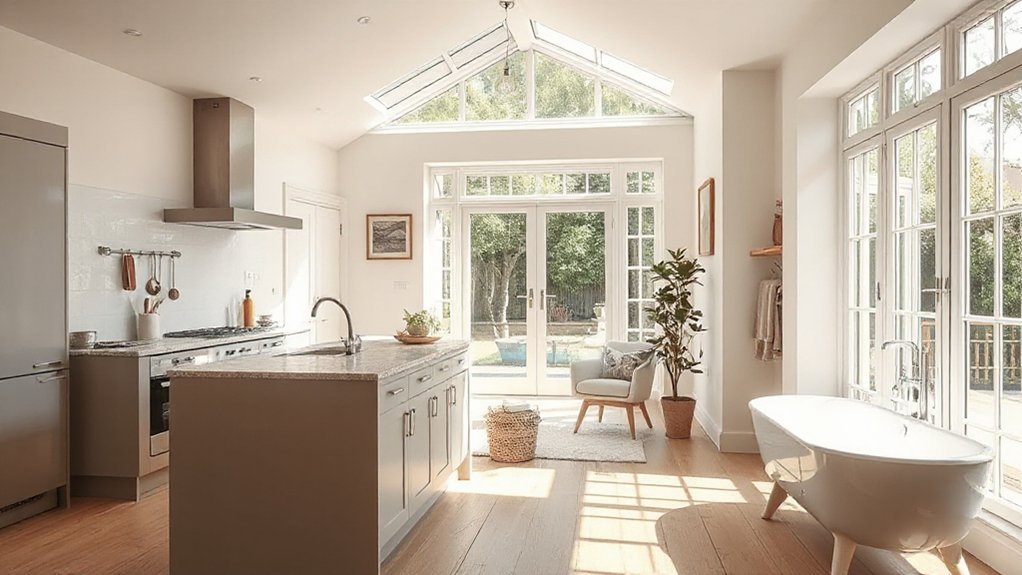
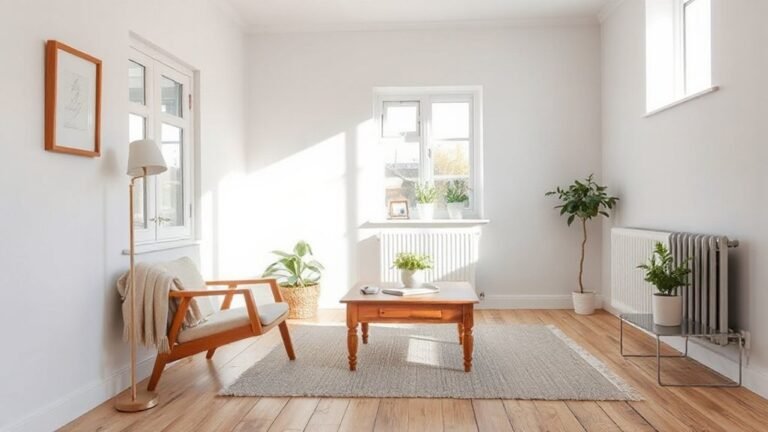
Buyers in the UK prioritise space, light, and condition, so focus on what matters most before you list. You’ll attract offers by presenting a well‑proportioned layout with clear, usable spaces that feel larger than they are.
Update key rooms first: a fresh kitchen and a modern bathroom signal value and practicality.
Highlight energy efficiency, such as better insulation, efficient glazing, and a reliable heating system, since lower running costs weigh with buyers.
Emphasise luxury amenities that improve daily living without overspending, like smart controls or built‑in storage, to boost perceived value.
Guarantee surfaces are clean and neutral to help buyers imagine their own belongings.
Provide documentation for recent work, warranties, and energy certificates to reinforce trust and ease the decision to bid.
Quick Exterior Fixes to Boost Curb Appeal on a Budget
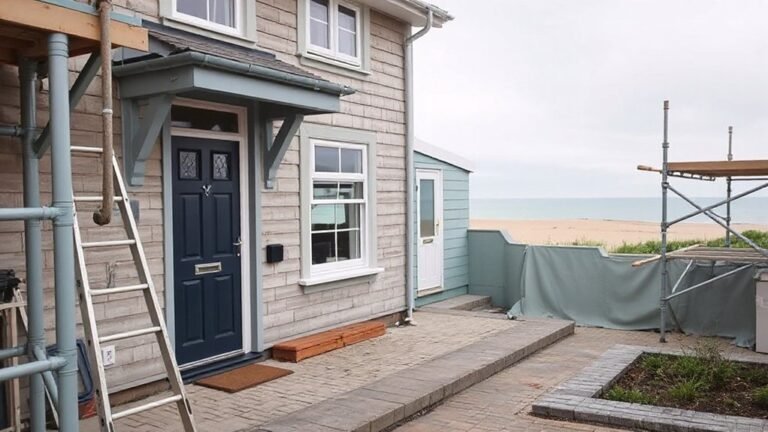
Start with a fresh front door to immediately lift curb appeal without breaking the bank.
Quick fixes like a new coat of paint, clean hardware, and a tidy entryway set a strong first impression.
These small updates can transform your home’s exterior while staying budget-friendly.
Freshen Front Door
Refresh your entry with a quick, budget-friendly front door spruce: a fresh coat of paint in a bold, inviting color or a refinished stain can dramatically boost curb appeal without breaking the bank. You’ll create focus at the threshold and set the tone for the rest of the exterior, while coordinating with garden landscaping and outdoor lighting for cohesion.
- Choose a durable exterior finish in a color that complements the brick, siding, and surrounding greenery.
- Prep thoroughly—clean, sand, and prime, then apply even coats for a smooth, lasting result.
- Add a polished hardware update and a seasonal wreath to reinforce curb appeal.
These steps are practical, precise, and budget-conscious for a noticeable lift.
Curb Appeal Quick Fixes
Curb appeal on a budget doesn’t have to be complicated: start with quick exterior tweaks that deliver immediate impact. Focus on the entrance first: a clean path, fresh porch surface, and a bold doormat set the tone.
Tidy borders and trimmed hedges instantly lift the curb, while low-cost paint or stain on fencing and gates adds definition. Enhance garden landscaping with container plants for colour without major overhaul, and group planters to create cohesive sightlines.
Font-size and lighting matter: install outdoor lighting along steps and entry points to guide the eye at dusk and deter slipping. Swap outdated hardware for brushed metal or matte black, and refresh house numbers for readability.
These tweaks are inexpensive, practical, and noticeable.
Refresh Interiors: Paint, Lighting, and Styling Tweaks
Revitalizing interiors starts with a fresh wall palette, then boosts impact with layered lighting and smart furniture styling.
You’ll notice value when you pair lighter tones with ambient and task lighting to highlight spaces, while strategic furniture placement creates flow and function.
This approach sets up practical, high-impact tweaks that buyers can see and appreciate quickly.
Freshen Wall Palettes
Bold wall palettes can transform a space quickly. You’ll refresh interiors by selecting neutral, light wall colours that widen rooms and appeal to buyers. Use balanced paint palettes to create flow from living to dining areas, and keep finishes matte or eggshell for a contemporary look.
Focus on two or three hues total, with one accent color to highlight architectural features. Make certain consistent baseboards and trims for polish, and test colour samples in multiple lighting conditions before committing.
1) Choose a restrained palette with warm undertones
2) Pair walls with complementary trim and natural accents
3) Apply quality paint, even coats, and proper edging for a seamless finish
Layered Lighting Upgrades
Layered lighting ties together fresh walls with functional, inviting interiors. You’ll design a setup that blends ambient illumination with task and accent layers, maximizing each room’s use and mood.
Begin with a dimmable ceiling light to provide general brightness without harsh glare. Add floor or table lamps for flexible task lighting near seating and desks, allowing you to adjust the feel as you move through the day.
Include under-cabinet or shelf LEDs in kitchens and living areas to highlight finishes and textures without overpowering space. Choose neutral, compatible fixtures and bulbs for consistency.
Verify lighting levels with a simple lux check at eye level in key zones. Balanced layered lighting enhances perceived space, comfort, and flow, boosting appeal to buyers.
Strategic Furniture Styling
- Plan each arrangement around natural focal points with clear sightlines.
- Pair statement pieces with understated supports to maintain balance.
- Curate decor accessories for cohesion over quantity.
Budget-Friendly Kitchen Upgrades That Boost Usefulness
If you’re looking to add real value to a kitchen without breaking the bank, start with small, high-impact upgrades that boost usefulness daily. Focus on practical changes that improve flow and efficiency without major renovations.
Replace dated cabinet hardware with modern, durable handles and pulls that suit your style; this quick update feels fresh and costs little. Upgrade cabinet latches or soft-close hinges to reduce noise and wear, extending life and ease of use.
Choose energy-efficient kitchen appliances where feasible to cut running costs and simplify daily tasks. Reorganise storage with clearly labeled bins and adjustable shelves to maximize space.
Consider under-cabinet lighting for safer, more pleasant prep work. Prioritise quality over quantity, matching upgrades to daily routines.
Bathroom Upgrades With High Impact and Low Cost
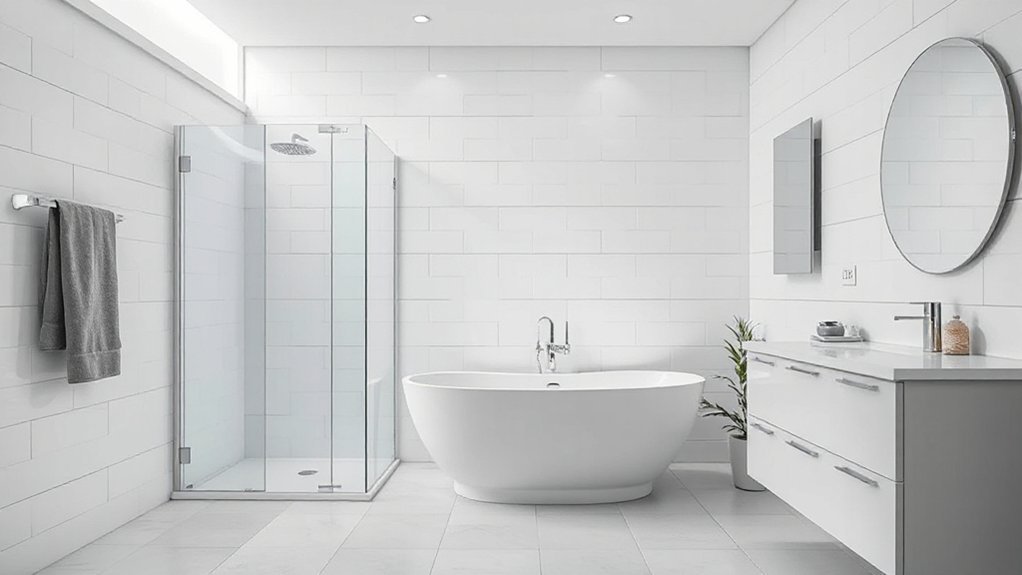
Updated lighting choices and fresh fixtures can dramatically alter a bathroom’s look and feel without breaking the bank. You’ll notice that brighter, whiter light and modern, water-efficient fixtures boost perceived value and function.
Start with a small upgrade plan and prioritize changes that offer the biggest visual lift with minimal cost, like refreshed sconces and a sleek faucet.
Updated Lighting Choices
When you upgrade bathroom lighting, you’ll see a quick, high-impact payoff: brighter, more inviting spaces that read as larger and cleaner.
- Choose layered lighting: install a bright vanity light, shadow-minimizing sconces, and a soft ceiling glow to create balanced lighting ambiance.
- Opt for energy-efficient LEDs with a 4000K–5000K colour temperature for crisp, natural tones that appeal to buyers and cut running costs, a smart investment.
- Use dimmers and moisture-rated fittings to tailor mood and guarantee durability, enhancing perceived value without major upheaval.
Fresh Fixtures Focus
Fresh fixtures can dramatically lift a bathroom’s feel without breaking the bank. You’ll gain impact with cost-efficient swaps that stay practical. Start with polished taps, matte finishes, and gloss surfaces that reflect light.
Swap dated cabinets for slim, soft-close units to maximise storage without bulk. Opt for a compact vanity with integrated lighting to reduce clutter and boost perceived space.
Update sanitaryware with water-saving toilets and low-flow taps to boost energy efficiency while trimming bills. Choose durable, easy-clean materials that resist wear from moisture.
Consider subtle upgrades like a framed mirror or frameless shower enclosure to widen sightlines. Coordinate accents with garden landscaping-inspired tones for cohesion.
Small upgrades, deliberate finishes, and efficient fixtures can elevate value without overreach.
Small Layout Tweaks That Make Rooms Feel Bigger
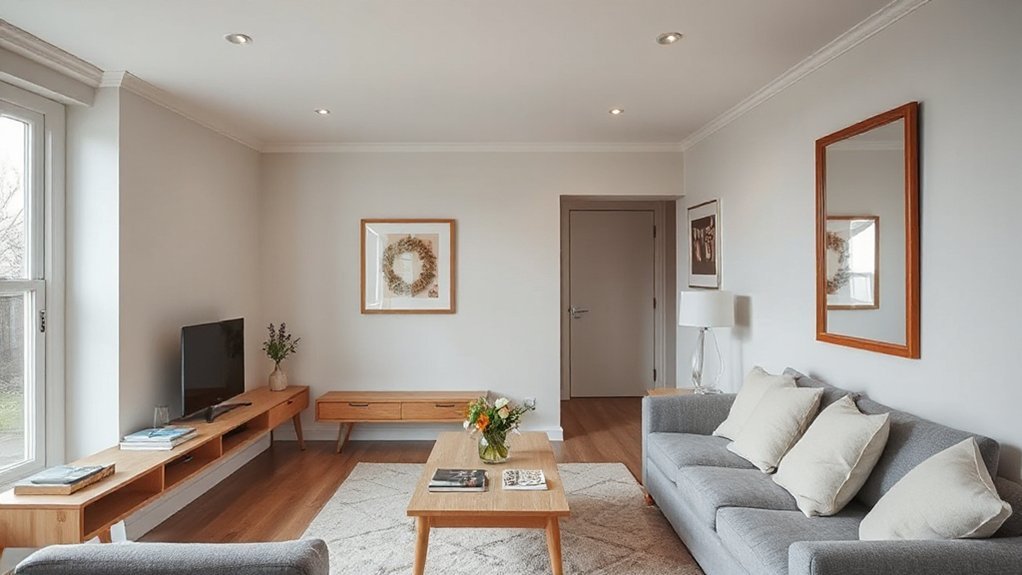
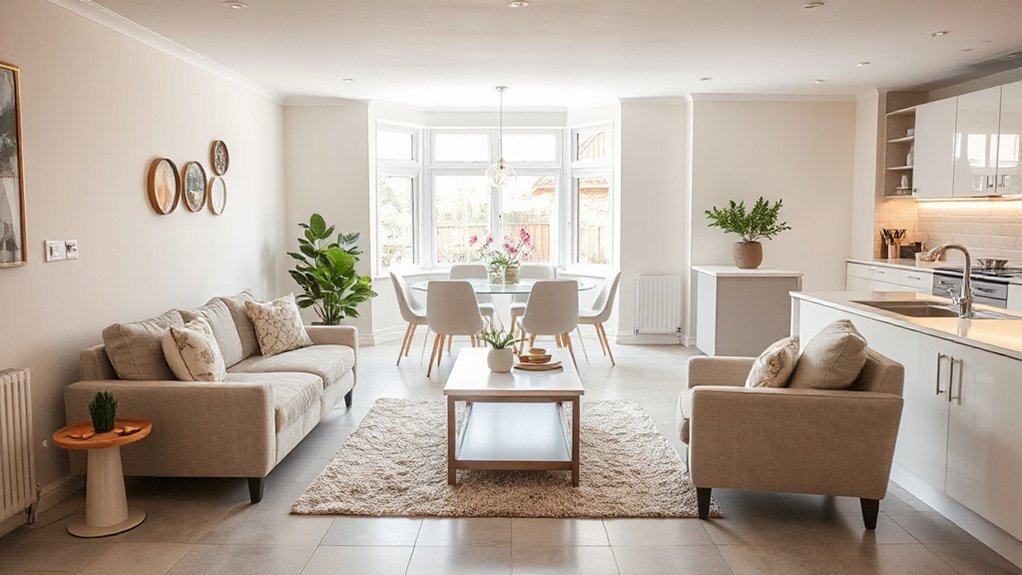
Even small layout changes can make a room feel bigger without adding square footage. You’ll maximise perceived space by smartly using Furniture placement and Colour schemes to guide the eye. Prioritise open sightlines, declutter edges, and choose furniture that doesn’t overwhelm the room.
Here are practical tweaks:
- Align seating with doorways and avoid blocking natural flows to create a continuous path.
- Use low-profile furniture and strategic mirror placement to reflect light and expand depth.
- Pick cohesive colours with lighter tones on walls and select cushions or accents that tie spaces together, avoiding heavy contrasts.
Adapt these tweaks to each room, testing sightlines from entry points. The result is a calmer, roomier feel that buyers notice instantly.
Flooring and Finishes That Deliver UK ROI
Flooring and finishes can make or break a sale, so pick options that balance durability, cost, and appeal. You’ll want flooring that wears well under UK conditions yet stays affordable; consider solid wood or high-quality engineered timber for a premium feel. However, reserve underfoot comfort for living spaces with underfloor heating when possible.
In bathrooms and kitchens, choose water-resistant options like luxury vinyl, porcelain tiles, or ceramic planks that mimic natural stone without upkeep headaches.
For finishes, keep neutrals on walls and ceilings to maximize light and perceived space. Then add personality with thoughtfully chosen textures.
Tie outdoor impressions to the interior with cohesive, low-maintenance landscaping—think luxury landscaping touches that extend the home’s vibe.
Prefer sustainable materials where feasible to attract eco-conscious buyers.
Improve Your EPC Without Breaking the Bank
boosting your EPC without breaking the bank starts with targeted, high-impact tweaks. You can raise efficiency without overspending by prioritising simple, measurable wins that buyers notice.
1) Eco friendly upgrades: seal gaps, insulate lofts, and swap old boilers for modern condensing models. Add draft-proofing and reflective radiator panels to cut heat loss.
2) Smart home integration: install a programmable thermostat, smart lighting, and energy-monitoring plugs. These tools slash consumption and appeal to tech-minded buyers.
3) Low-cost renewables: consider a small, efficient solar water heater or solar PV assessable by grants. Pair with visibility investments like window glazing upgrades where cost-effective.
Focus on concrete results, avoid hype, and document energy improvements for prospective buyers.
Smart Storage Ideas That Buyers Notice
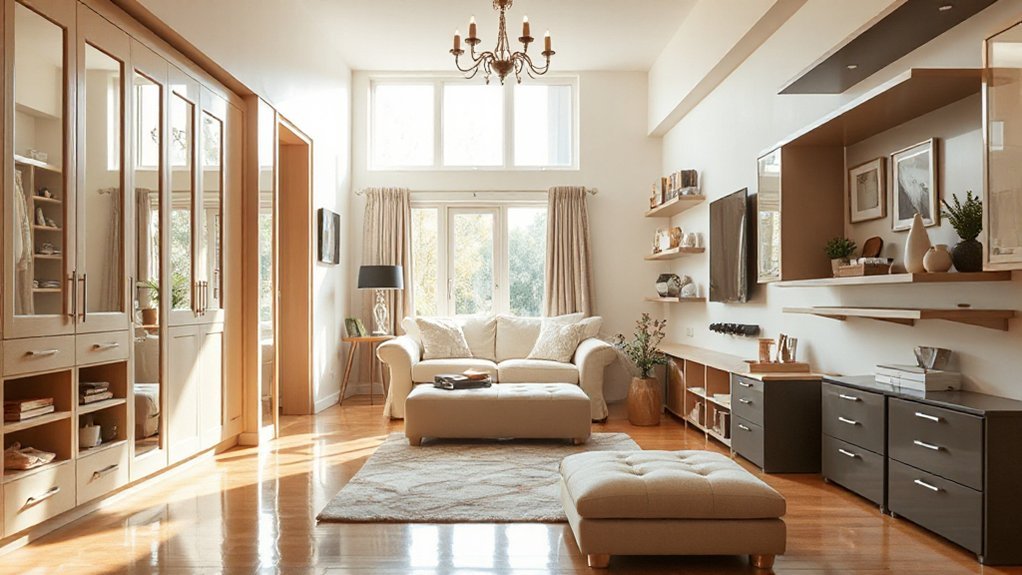
Think about how Built-In Storage Tricks, Hidden Wardrobe Solutions, and Space-Saving Cabinet Ideas can transform your rooms without expanding square footage.
You’ll show buyers that every inch is usable and organized, from streamlined closets to clever concealed storage.
Start spotlighting these features in photos and descriptions to boost perceived value right away.
Built-In Storage Tricks
Built-in storage catches buyers’ eyes first, so smart, integrated solutions make a big impact. You’ll notice how well-designed setups improve flow and usability, not just capacity. Focus on clean lines, accessible shelving, and doors that don’t intrude on room aesthetics.
For homes with limited space, built-in storage and hidden compartments add value without cluttering sightlines, keeping rooms feeling spacious.
- Optimize under-stair and alcove nooks with drawer stacks and shallow wardrobes.
- Install bed bases or ottomans with built-in drawers to conceal seasonal items.
- Create modular wall storage that doubles as display areas while preserving openness.
Practical, precise, and unobtrusive, these tweaks leverage built-in storage to boost appeal and functionality.
Hidden Wardrobe Solutions
Choose a built-in rod system with adjustable shelves to maximise hanging capacity without bulk. Slim, full-height wardrobes reduce visual clutter while maintaining storage depth for seasonal items.
Integrate recessed corners and toe-kick drawers to utilise otherwise wasted gaps, supporting a cleaner floor line.
Use soft-closing doors and mirrored fronts to enhance light and depth, aiding storage optimisation while keeping a spacious feel.
Opt for modular components that adapt to changing needs, avoiding overbuilt units.
Labelled zones inside drawers and shelves speed access, reducing clutter.
A tidy hidden wardrobe elevates perceived value through functional, quiet efficiency in storage optimisation.
Space-Saving Cabinet Ideas
Maximizing storage in cabinets can dramatically boost a home’s practicality and curb appeal. You’ll appeal to buyers by making every inch count with clever layouts and durable finishes. Focus on modular, space saving furniture that adapts to kitchens, baths, and laundry areas, preserving flow while reducing clutter.
Use pull-out trays, slim risers, and corner carousels to maximise capacity without widening the footprint. Choose doors or panels that blend with the room to avoid visual clutter, and label zones for easy daily use.
Compact storage should feel accessible, not gimmicky, so test reach and motion paths before purchase. Prioritise quality hardware, sturdy shelving, and easy-clean surfaces for lasting value.
- Pull-out pantry trays
- Corner carousel organizers
- Slim pull-out laundry hamper
Practical Repairs That Prevent Buyer Objections
When you address common buyer objections head-on, practical repairs can close deals faster and boost perceived value. You’ll focus on fixes that buyers notice first: doors and windows; leaks or damp; faulty wiring; and creaky floors.
Prioritise quick wins with clear impact. Guarantee gutters drain away from the house to prevent water damage, and seal gaps around attic access and draughty doors to improve energy efficiency.
Replace worn carpets in high-traffic areas and touch up paint where scuffs distract from rooms’ potential.
Simple garden landscaping can refresh curb appeal without a full makeover, making a strong first impression.
Confirm warranties and receipts for any repairs, so buyers feel confident in ongoing maintenance.
These steps reduce objections and support a smoother sale.
Low-Cost Staging Tips to Help Buyers Visualise Living There
Low-cost staging can make spaces feel larger and more livable, guiding buyers to picture daily life there. You’ll maximise impact with simple tweaks that don’t require renovations. Focus on two core elements: Creative lighting and Furniture arrangement.
Light sets mood, light palette, and creates flow between rooms, while furniture placement defines scale and pathways for living areas.
- Optimize lighting: use warm bulbs, layer ceiling, task, and accent lights to eliminate shadows and exaggerate space.
- Arrange furniture to enhance function: keep focal points clear, create logical traffic routes, and choose pieces that fit the room’s scale.
- Declutter strategically: remove excess gear, display a few key decor items, and keep surfaces tidy to support visualising daily living.
Local Demand and Price Bands: Market-by-Market Guidance
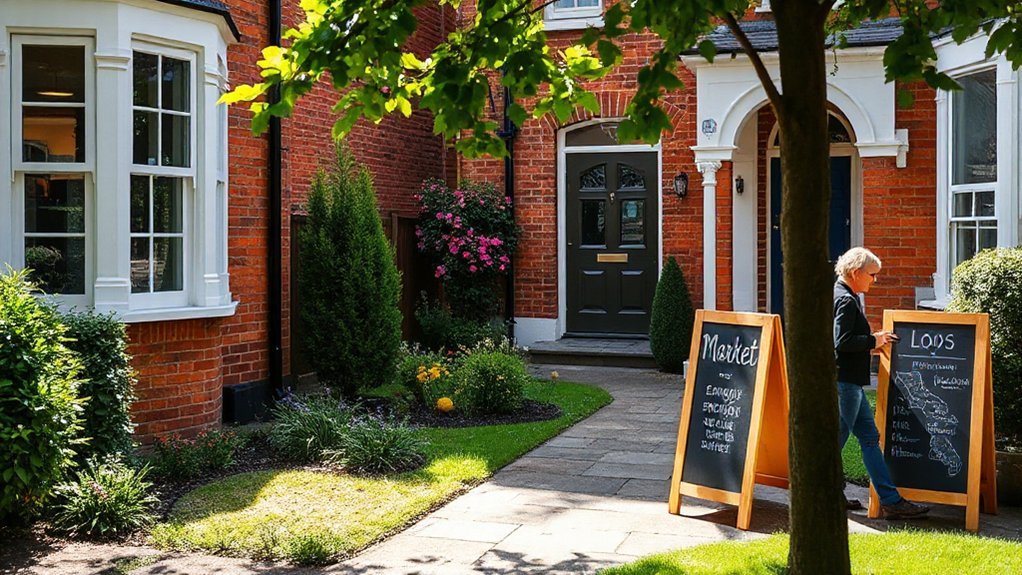
Local demand and price bands vary by market, so tailor guidance to local conditions rather than rely on national averages. You’ll need to follow market trends in your area to set realistic expectations for sale price and time on market.
Focus on what buyers currently value locally—location nuances, school catchments, transport links, and amenities—and adjust your valuation strategies accordingly.
Compare recent comparable sales (comps) within a tight radius and consider price bands that reflect neighbourhood demand rather than broad UK figures.
Monitor ongoing activity, such as new listings and days-on-market, to refine pricing quickly.
Use a market-by-market approach to maximise appeal, ensuring your plan aligns with current demand cycles and supports a timely, profitable sale.
Legal and Compliance Checks to Avoid Delays
Legal and compliance checks save time and money by preventing deal-breaking issues before you market a property. You’ll tighten your seller timeline by guaranteeing you meet all legal standards, so buyers aren’t deterred by hidden hurdles. Focus on two pillars: legal compliance and planning permissions. Verify title deeds, party wall notices, and building regulations history, then secure necessary permissions before listing.
Proactively addressing these ensures smoother exchanges and fewer renegotiations.
- Confirm legal compliance of extensions, electrical work, and damp-proofing with certificates.
- Check planning permissions and any conditions, ensuring allocations match current use.
- Prepare a concise compliance dossier for buyers and solicitors to reduce back-and-forth.
Planning Renovations: DIY vs. Hiring Pros in the UK
When planning renovations, you must weigh DIY efforts against hiring pros in the UK to protect value and timelines. You’ll save on immediate costs with DIY, but you risk rework, delays, and quality issues if skills fall short.
Start with a clear scope: determine what can be tackled safely, what requires certified trades, and where professional oversight prevents hidden problems.
DIY challenges often include wiring, plumbing, structural work, and damp or insulation concerns that fail building control checks.
For larger projects, estimate professional costs, permit needs, and inspection fees to compare against your time and potential mistakes.
Prioritize high-impact updates—kitchens, bathrooms, and energy efficiency—where pros ensure compliance and durable results while you maintain pace toward your selling timeline.
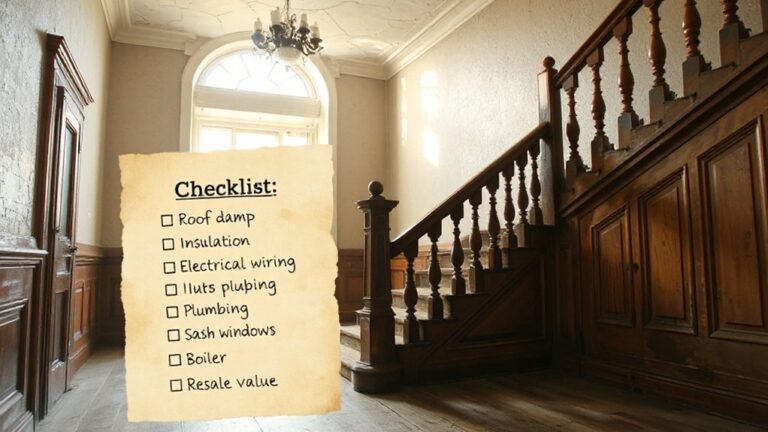
The Final Pre-Listing Checklist for UK Sellers
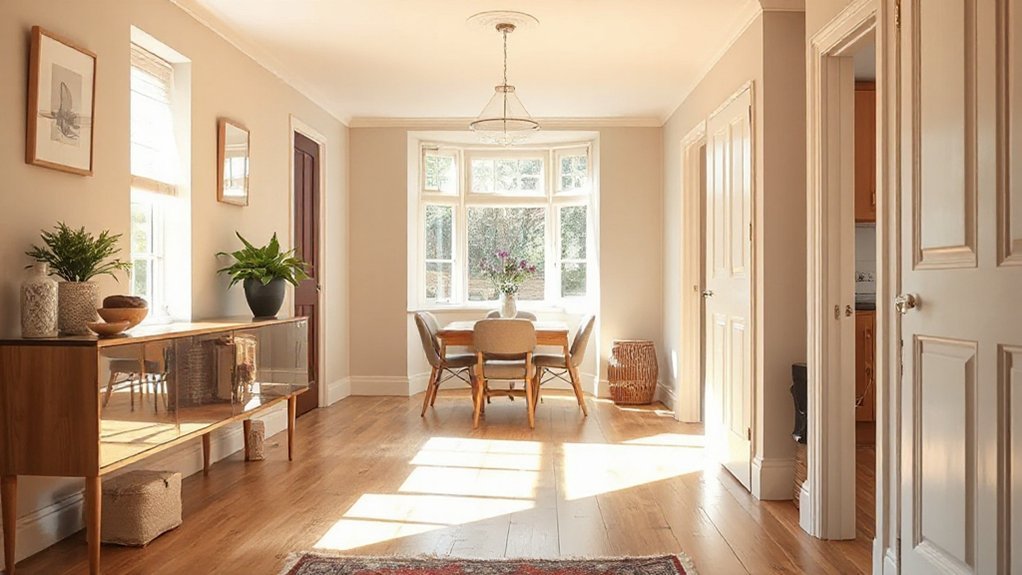
As you get ready to list, follow a tight final pre-listing checklist to avoid last-minute fails: confirm documents, tidy spaces, and fix deal-breaking issues that buyers scrutinize. You’ll present a polished, sale-ready home and reduce negotiation hiccups.
- Confirm all paperwork, including title deeds, EPC, and any warranties, then verify mortgage documents and potential charges.
- Tidy, depersonalize, and repair visible defects; ensure lighting is bright, plumbing works, and common spaces feel inviting.
- Address important financial details, like property taxes oversight and clearly explain any upcoming costs or changes, plus outline mortgage options for buyers.
This focused prep helps you move quickly when offers arrive and streamlines the selling process.
Frequently Asked Questions
How Soon Before Selling Should I Start Renovations in the UK?
You should start renovations 3–6 months before listing to optimize timing and impact. Consider timing considerations like market cycles and avoid long delays. Plan renovations now, budgeting and scheduling so you finish comfortably before showings, matching your renovation planning goals.
Which Home Improvements Have the Best ROI Uk-Wide?
One in four buyers prioritise value from tweaks like garden landscaping, then interior redesign; you’ll see strong ROI across the UK. Focus on durable, low-maintenance updates, using smart layouts and quality finishes for maximum appeal.
Can I Legally Do DIY Renovations Without Permits in the UK?
You can’t always DIY renovations legally without permits in the UK; DIY regulations and permit requirements vary by project. Check your local council before starting, as some structural or safety works require formal permissions and inspections.
Do EPC Improvements Reduce Sale Time or Price Impact Vary?
If you boost energy efficiency, you’ll see a tangible valuation impact and might sell faster; for example, a small loft insulation upgrade cut days on market. Energy efficiency matters and can influence price, especially in buyers’ minds.
What Hidden Costs Commonly Surprise UK Sellers?
Hidden fees catch you off guard, and market fluctuations can squeeze your profit. You’ll face negotiation commissions, solicitor and survey costs, removal fees, and potential VAT tweaks; stay vigilant, budget buffers, and monitor market shifts to protect value.
Conclusion
You stand at the doorstep of possibility, where a well-timed touch can tilt a buyer’s heart. Picture your home as a clean canvas catching the light—curb appeal first, then calm, refreshed rooms that whisper “ready to move in.” Small fixes, smart tweaks, and honest compliance save time and money. When you mix practical steps with confident presentation, you don’t just sell a house—you offer a door to a smoother progression and a brighter new chapter.
About the Author