You refresh a Victorian terrace by preserving original features and layering warmth over a careful palette. Restore cornices, sash windows, and plaster details instead of replacing them, then pair luxe textures with period cues like velvet and patinated metals. Map a cohesive palette of base, supporting neutrals, and restrained accents, test in natural light, and use matte to satin finishes. Light plasterwork with grazing fixtures, repair flooring to match grain, and add discreet storage for modern convenience—all while maintaining charm. More tips await.
Preserve the Victorian Soul: What to Keep in Your Refresh
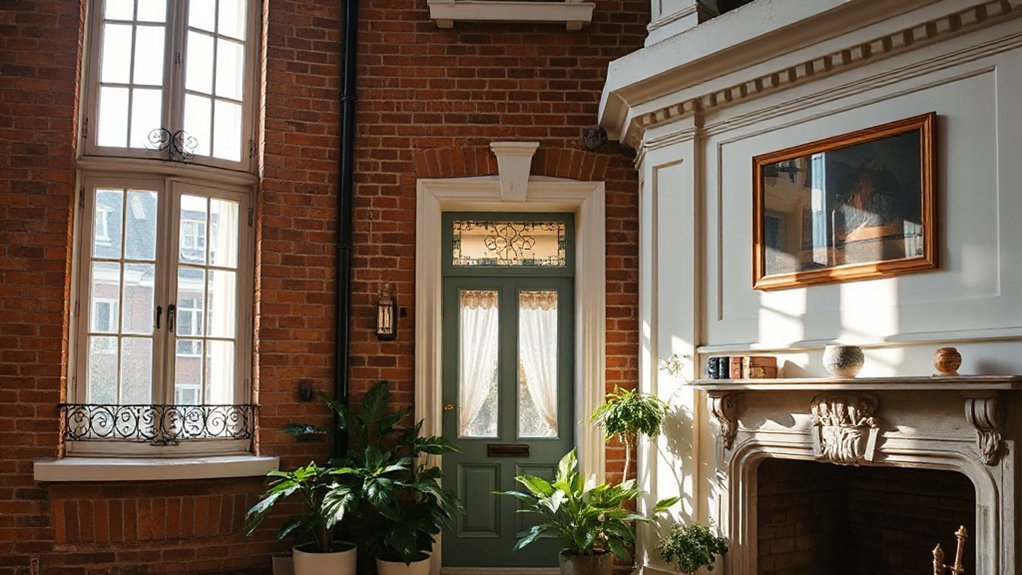
Preserve the Victorian soul by keeping key design cues that define the era while you refresh. You focus on maintaining historical authenticity by prioritizing original forms and materials where feasible, rather than chasing fashionable fads.
Start with architectural details you can’t replace: cornices, sash windows, fretwork, and ceiling roses. Treat them as anchors, not obstacles. Clean, repair, and restore rather than replace, choosing compatible finishes that celebrate patina.
Retain proportion, scale, and rhythm—doors, stairs, and mantelpieces should whisper continuity. When updating, guarantee new elements respect the silhouette and material logic, avoiding clashing motifs.
Document changes for future care, and choose compatible hardware, lighting, and plasterwork. With careful stewardship, the space remains legible as Victorian, even as it serves modern needs.
Map Your Victorian Palette: Paint That Modernizes Without Altering Structure
Start with a clear palette plan that respects the home’s character while signaling a modern shift. Choose durable, safe color schemes and a few classic layers to ground the space.
Then layer in modern finishes for subtle contrast. This approach keeps the structure intact while delivering a refreshed, cohesive look.
Palette Selection Guide
Ready to map a Victorian palette that feels contemporary without changing the structure? Start by defining a base you’ll reuse across rooms. Choose one dominant color for exterior or main interior walls, then select two supporting tones that echo architectural details.
Focus on color harmony: guarantee cool and warm neutrals balance the space and highlight features like plasterwork, wainscoting, or stair rails. Limit your reference chips to a cohesive family—gray-beige, stone, or olive so you don’t overwhelm the original silhouette.
When you test, apply large swatches at natural light moments to confirm depth and temperature. Consider paint techniques that reveal texture without masking it—mat or eggshell for walls, a satin trim.
These choices keep authenticity while delivering modern warmth.
Modern Finishes, Classic Layers
Modern finishes can simultaneously soften a Victorian shell and sharpen its look, letting the layers speak without altering the structure. You map a restrained palette that respects architectural details while letting modern materials do the heavy lifting.
Choose finishes that echo historical significance—soft limes, muted olives, or warm neutrals—then layer with precise contrasts, not bold claims. Keep trim and plaster honest; use high-contrast accents sparingly to highlight molding, mantel, or stair landings.
Where you add texture, do it with subtlety: matte walls, satin wood, and a low-sheen floor can all feel current without erasing history. Document a clear rationale for each choice, so color decisions align with the home’s narrative.
Your goal is cohesion, not conquest; let modernity enhance, not override, the Victorian essence.
Durable, Safe Color Schemes
Color psychology guides choices: cooler tones can enlarge narrow rooms; warmer neutrals calm busy hallways; accents in saturated hues highlight architectural details without overpowering them. Paint durability matters—look for film strength, scrubability, and fade resistance so your scheme ages gracefully with daily life.
Plan a cohesive palette that repeats a few core tones across wood, plaster, and masonry to unify spaces. Test chips under varying light, then apply strategically—doors, cornices, and dado rails—so color strengthens, not distracts, the house’s character.
Lighting for Character: Highlight Plasterwork and Window Frames
You can start by using raked or grazing light to reveal plaster details and texture, turning flat surfaces into focal points.
Highlight frame-worthy window accents with strategically placed fixtures that emphasize their profiles without overpowering the room.
Keep the contrast balanced so the character of each feature reads clearly when natural light shifts throughout the day.
Highlight Plaster Details
To bring out the character of plaster details, lighting should skim along the contours of cornices, ceiling roses, and arched window frames rather than blasting them head-on. You’ll want quiet, directional fixtures that cast subtle shadows, revealing depth without glare.
Focus on plaster relief and decorative molding by using adjustable, warm-toned LEDs at low brightness, placed to follow profiles rather than illuminate flat surfaces. Choose lamps with narrow beam angles for targeted grazing, then blend with a dimmer to modulate intensity as you move through rooms.
Avoid harsh contrasts that wash features away; instead, create a soft hierarchy where shadows define edges. Keep finishes cool to prevent yellowing, and test at different times of day to ensure the plaster details read clearly yet remain cohesive.
Frame-Worthy Window Accents
Start with uplights installed beneath cornices or sills to sculpt shadows along molding, then add subtle side hits to reveal depth without glare. Choose warm, directional LEDs that pair with neutral white to avoid muddy tones on plaster and wood.
Avoid harsh, flood-style beams that flatten the profile; instead, use small, focused sources to create framing techniques that draw the eye to trim and glass. Position fixtures to skim the casings, highlighting details while preserving the sense of air around the pane.
This enhances window accents and supports cohesive interior rhythm.
Restore Original Treads and Boards: Flooring First
If you’re restoring the original treads and boards, start with flooring first to anchor the project and reveal any gaps or high spots that need attention. You’ll assess whether boards are sound, then plan repairs with minimal disruption to the Victorian rhythm.
Clean and sand gently, staying true to the surface’s character rather than erasing it; the aim is to honor historic architecture while stabilizing the structure.
Replace missing sections with matching timbers, or splice in careful patches that respect grain and patina. Treat gaps with subtle compression or careful filler that dries clear, not cartoonish.
Refinished edges should feel seamless, not refurbished. By prioritizing flooring, you preserve period authenticity and create a solid foundation for subsequent updates.
Wall Treatments That Respect History and Brighten Space
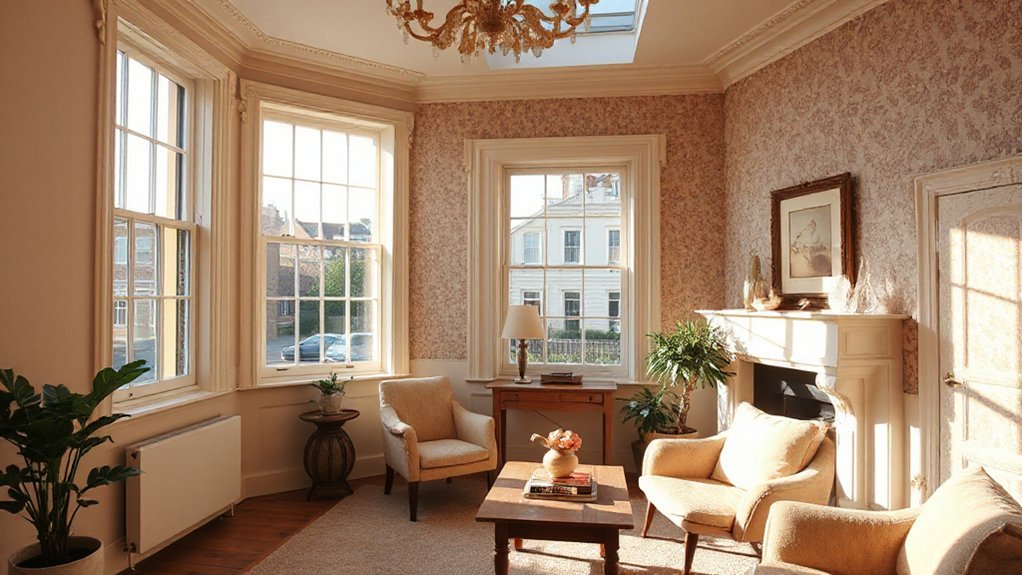
Wall treatments can elevate a Victorian terrace without erasing its history, so start with a plan that honors original plaster, wood, or brick while lightening the space. You’ll balance preservation with modern brightness by selecting finishes that don’t overwhelm architectural details.
Consider subtle wall textures that add depth without shouting, like a soft plaster skim or a delicate limewash that lets texture breathe. Choose light, warm neutrals or cool whites to brighten hallways and parlors while reflecting natural light.
For personality, introduce historical murals in restrained sections—tasteful, faded motifs or calibrated stenciling that nods to era craftsmanship without overpowering room proportions. Keep trim crisp, ceilings clean, and test colors on a small area.
The result is cohesive, respectful, and refreshed.
Windows and Sash Care: Let Light In Without Losing Style
Let in more light by keeping your sash hardware clean and functional, so glass stays clear and bright without gaps.
Refresh the sash finishes with moisture-tested paints or stains that echo the period but resist weathering.
Frame weather protection with a breathable sealant and targeted repairs, so you preserve style while guarding against drafts.
Let Natural Light In
Natural light is the backbone of a bright Victorian terrace, so start with sash care that keeps panes clear and frames famine-free of dust.
- Clean and lubricate weights and cords, ensuring smooth opening without sticking.
- Use breathable sealants to prevent drafts around sashes while preserving glare-free glass.
- Trim sorted, unobtrusive cords and keep handles accessible for easy operation.
- Schedule seasonal checks to catch warps or gaps before daylight fades.
As you let light in, think about garden pathways guiding the eye from indoors outward, and align window cleanliness with outdoor lighting angles. This keeps rooms feeling spacious without sacrificing charm.
Small tweaks—fresh caulks, spotless glass, and thoughtful reflections—preserve elegance while inviting the sun to play across plaster and wood.
Refresh Sash Finishes
Now that you’ve opened up the light, it’s time to refresh the sash finishes to keep that glow without overpowering the room. Begin with a careful assessment: note worn varnish, cracked paint, and any bruised sash cords.
Choose a finish that respects the Victorian lineage—matte or satin, not high gloss—so window embellishments remain readable and elegant. Clean sash surfaces to remove dust without stripping original patina, then lightly abrade with fine paper to promote adhesion.
Restore only what’s needed, avoiding over-saturation; a restrained color palette helps sash restoration blend with plaster and timber. Apply primer in thin, even coats, then build with multiple delicate layers.
Seal joints, and test the operation. Subtle, precise upgrades preserve character while inviting light to dance across the glass.
Frame Weather Protection
Protecting frame weather means sealing out drafts without sealing in dead air. You’ll safeguard sash integrity while keeping light bright and open feeling. Start with precise weatherproofing techniques that respect period details, then reinforce with smart, reversible updates.
Focus on frame protection by repairing rot, priming, and painting only where needed, so you preserve joints and grooves. Use breathable sealants to avoid moisture buildup and choose discreet weatherstrips that don’t overpower the sash profile.
- Inspect frames for gaps, then caulk with a breathable, paintable sealant
- Apply sash rope and counterweight checks to prevent binding
- Choose thin, non-obtrusive weatherstrips that blend with trim
- Refinish with UV-resistant, low-gloss coatings for longevity
This approach balances efficiency, aesthetics, and function, guiding durable, elegant results.
Smart Storage Without Dimming Period Details
Smart storage in a Victorian terrace means making every inch count without cluttering the period details. You’ll harness clever solutions that respect architecture while adding function.
Think recessed shelves in alcoves, under-stair drawers, and ottomans with lift-off tops to conceal everyday items. Choose furniture with built-in nooks to reduce surface clutter, and opt for slim profiles that won’t overpower narrow rooms.
Use tall, narrow cabinets or wall-mounted units to maximize vertical space without encroaching on floor area. Incorporate hidden storage behind mirrors, picture rails, or panelled doors to maintain period details.
Label discreetly so you can access essentials quickly. Keep cords out of sight with wireless options where possible, and pick storage finishes that harmonize with existing wood tones and plasterwork.
Modern Conveniences, Vintage Character: Period-Appropriate Updates
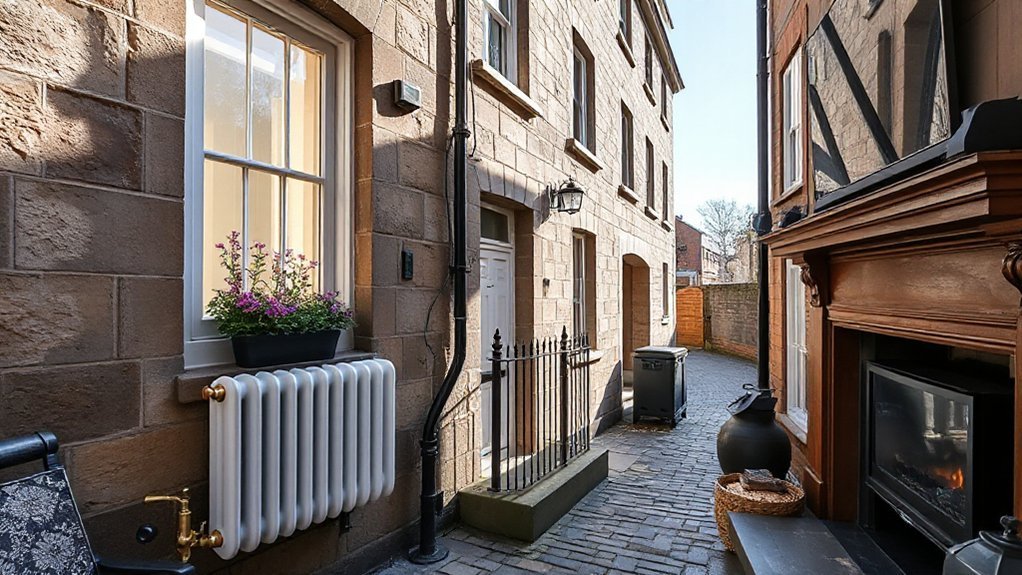
You can balance period-appropriate upgrades with modern comfort by selecting discreet, efficient solutions that honor the era’s character. Prioritize seamless integration that preserves vintage charm while boosting everyday practicality, from lighting to heating.
This sets the stage for discussions on how to blend comfort, authenticity, and timeless style in a cohesive update plan.
Period-Appropriate Upgrades
While preserving Victorian charm, you can bring in modern conveniences that feel period-appropriate rather than jarring. To keep the look cohesive, think about discreet upgrades that respect Victorian architecture and preserve period authenticity.
- Choose understated fixtures with brass or enamel finishes that echo era hardware.
- Install hidden-recessed tech, like outlets, USBs, and wiring, to maintain clean lines.
- Retrofit efficient heating with radiator covers or skirting-board systems that match silhouettes.
- Use durable, period-inspired materials for counters, tiles, and flooring that age gracefully.
Focus on proportion, scale, and finish to blend new functions with the home’s character. Small, thoughtful adjustments reduce disruption while enhancing daily use.
The goal is practical upgrades that feel inevitable, not intrusive, keeping the terrace livable without sacrificing its essence.
Modern Comfort, Vintage Charm
Modern comfort and vintage charm can coexist when upgrades feel native to the home’s character. You upgrade with intent, choosing fixtures and systems that respect the fabric while boosting daily ease.
Prioritize quiet, energy-smart options that blend with period details, so tech feels like a natural extension, not a disruption. Consider mid century modern lines for lighting and storage, which offer clean silhouettes without overpowering plaster cornices or woodwork.
Embrace minimalist design principles: fewer, well-chosen pieces, concealed wiring, and accessible controls that don’t crowd mantels or panels.
Introduce climate and safety upgrades discreetly—hidden vents, efficient insulation, smart thermostats behind original volumes.
Let every update support flow, durability, and your comfort, preserving the home’s story while renewing its rhythm.
Seamless Integration Tactics
Seamless integration means adding modern conveniences without dulling the home’s character. You balance updates with respect for architectural harmony, ensuring new elements feel native rather than inserted. Focus on lines, materials, and scale that echo the terrace’s historic grammar, preserving stylistic continuity across spaces.
Choose concealed hardware, subtle lighting, and discreet controls that disappear into plasterwork or wood.
- Install charging, heating, and climate controls behind period-appropriate panels
- Use timber-minished surfaces and period-inspired fixtures for a cohesive look
- Prioritize hidden wiring and wireless tech to keep sightlines clean
- Match grout, paint, and metal tones to existing palette for a unified finish
Directing the Eye: Stairs, Banisters, and Hallways
Directing the eye through the narrow spine of a Victorian terrace starts with the stairs, banisters, and hallway as deliberate visual anchors.
You’ll optimize rhythm by aligning elements: matching balusters, consistent rail profiles, and a clear step flight that guides movement upward or forward.
Emphasize staircase symmetry, choosing a balustrade with repeating shapes and a central focal point, like a carved newel or a tasteful finial, to mirror architectural honesty.
In the hallway, preserve proportion by framing doors and alcoves with restrained trim, avoiding cluttered surfaces.
Hallway lighting becomes a cue, casting soft, layered illumination that reveals depth without glare.
Keep finishes coordinated—wood tones, metal accents, and wall color harmonize to maintain flow, ensuring the stairs and corridors reinforce the home’s proportion and charm.
Texture-Rich Furnishings With a Historic Nod
Texture-rich furnishings bring tactile warmth to a Victorian terrace by pairing luxe surfaces with historic cues. You’ll fuse texture and era with careful material choices, so every piece nods to the past without shouting.
- Use artisan textiles: velvet cushions, brocade drapes, and tactile weaves that echo 19th-century craft.
- Layer lighting from antique lighting sources for warm, amber glow and subtle shadows.
- Mix wood tones and patinaed metals to create a cohesive, lived-in feel.
- Choose furniture silhouettes that respect scale, balance, and proportion, then add contemporary comfort.
Focus on restraint: let one statement fabric or finish anchor the room, while other elements support texture and history. This approach sustains charm with practical, timeless appeal.
Kitchen Refreshes: Vintage Footing, Modern Function
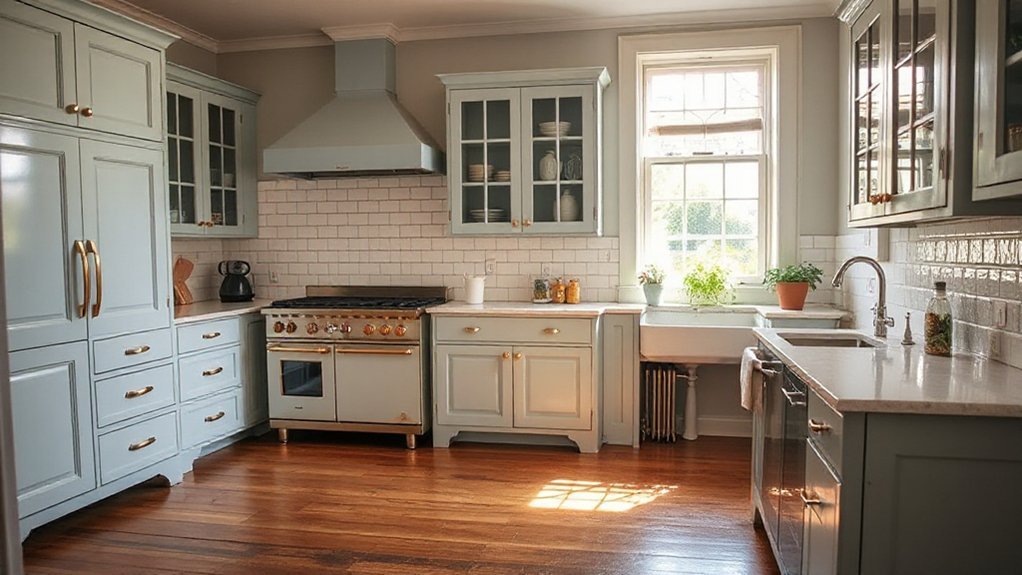
Kitchen refreshes that honor vintage footing while embracing modern function start with a clear plan: keep the footprint familiar, but swap in efficient updates that respect scale and period detail.
You map workflows to minimize disruption, choosing layouts that feel intuitive yet streamline tasks. Vintage fixtures pair with discreet storage and gently aged finishes to retain character without clutter. Consider lighting that preserves ambiance—pendants or warm LEDs—so mornings don’t feel clinical.
When selecting, favor modern appliances that fit your cabinet profiles and eye lines, avoiding bulk or chrome overkill. Subtle hardware updates anchor the look, while compact but capable devices handle heavy tasks quietly.
Paint, tile, and countertops should echo era cues with durable, easy-care surfaces. The result: kitchen efficiency that honors the house, not its compromise.
Bathrooms: Classic Aesthetics Meet Contemporary Comfort
When Rejuvenating a Victorian terrace bath, aim for a look that honors period details while delivering modern ease—think clawfoot influence in fittings, layered textures, and warm, water-resistant surfaces that stand up to daily use. You’ll blend classic lines with practical upgrades, so every element feels intentional and durable.
- Embrace porcelain, enamel, or stone for a timeless backdrop
- Choose period lighting with updated LEDs for safety and warmth
- Integrate storage that hides clutter without compromising charm
- Add garden-inspired touches, like Victorian gardens motifs, in tiles or accents
This approach keeps the room cohesive, tactile, and easy to maintain, while subtle nods to period lighting and garden-inspired motifs enhance atmosphere without sacrificing function.
Seamless Floor Transitions: Merging Old and New
As you move from the bath’s classic textures to the rest of a Victorian terrace, seamless floor shifts anchor the look without drawing attention. You’ll plan passages where subfloor choices, underlayment, and finish edges align in tone and height, preventing jarring steps.
Use shallow ramps or micro-thresholds to maintain sightlines, letting materials—from encaustic tiles to timber—meet with quiet confidence. Choose floor materials that wear gracefully, ideally in complementary palettes, so the old and new feel like one story.
Integrate modern accessories and smart technology discreetly—radiant underfloor heat, smart dimmers, and hidden sensors—so comfort elevates the space without shouting.
Keep grout or seam lines minimal and consistent, ensuring a cohesive flow from room to room while preserving Victorian character.
Maintenance Mindset: Everyday Upkeep to Preserve Charm
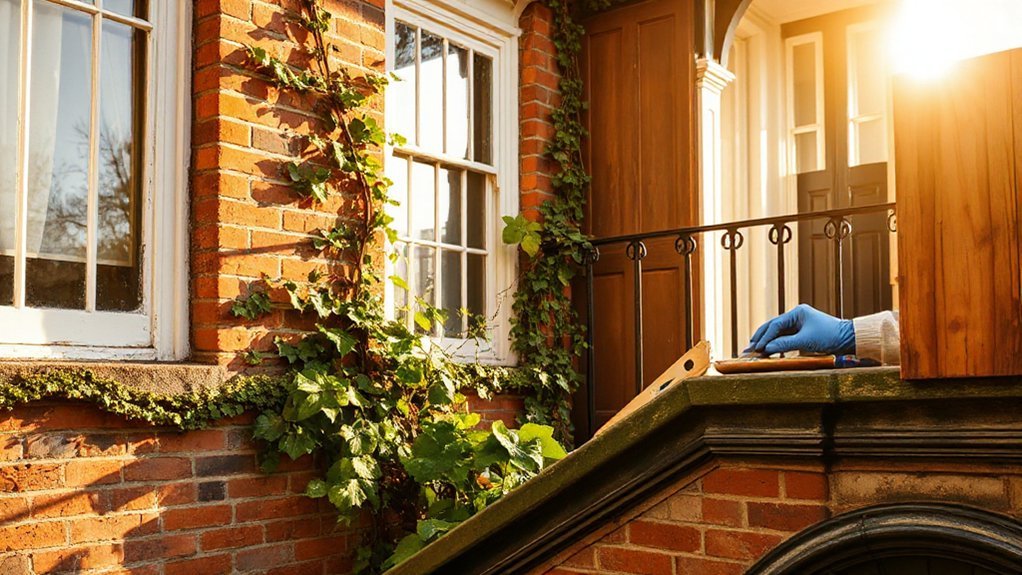
A maintenance mindset means making small, consistent checks part of your routine to keep a Victorian terrace looking and functioning its best. You’ll notice that little habits prevent big, costly fixes, so you stay ahead of wear and weather. Focus on steady, thoughtful care that respects the home’s charm while improving daily comfort and efficiency.
- Gardening tips: prune, mulch, and tidy borders to curb dampness and deter pests
- Air and light: open passages seasonally, clean sills, and trim growth that blocks daylight
- Energy efficiency: seal gaps, service weatherstripping, and maintain efficient lighting
- Scheduling: set simple, rotating tasks that fit your week, turning upkeep into habit rather than chores
Room-by-Room Renovation Roadmap: A Practical Mini-Plan
A practical mini-plan that tackles your Victorian terrace room by room starts with a clear, repeatable sequence you can apply across spaces. First, assess each room’s fabric: walls, floors, ceilings, and fixed features. Prioritize structural fixes and essential updates before cosmetic changes.
Next, map a simple order: circulation adjustments, then lighting, then finishes, ensuring you honor Victorian architecture while modern comfort. Create a palette that respects period details—soft neutrals with restrained ink, brass accents, and true wood tones—to preserve historical authenticity.
Choose durable materials and reversible updates so future restorers can trace the original layout. Implement scalable projects: replace windows where necessary, refresh plaster, restore preserved mouldings, and upgrade wiring and insulation without overhauling authentic elements.
Conclude with a phased schedule to keep momentum and minimize disruption.
Frequently Asked Questions
How Can I Refresh Without Changing Room Proportions or Flow?
Yes—you refresh without altering proportions by keeping color palette cohesive and subtle, then adjust furniture placement to optimize flow. You’ll use layered neutrals, smart storage, and target accents, preserving rhythm while maximizing function and tasteful updates.
Which Modern Materials Respect Historic Plaster and Timber?
You should choose historic paint and timber restoration-friendly materials; about 60% of century-old plaster breathes well, guiding moisture safely. You can refresh without damage, using breathable finishes and compatible timber products to preserve character and durability.
What Finishes Avoid Competing With Period Detailing?
Prioritize historical authenticity by choosing period appropriate finishes that respect details and textures. You’ll avoid overpowering ornament, opting for subtle, matte sheens, breathable coatings, and muted palettes to maintain cohesion with the original fabric and character.
How Do I Maintain Charm While Improving Energy Efficiency?
You maintain charm while boosting efficiency by prioritizing period specific lighting and antique furnishings, complementing better insulation, draft-proofing, and historic windows; you’ll feel cozy, practical, and cohesive, using tasteful upgrades that respect the home’s character and energy needs.
What Budget-Friendly Tweaks Preserve Victorian Character?
Coincidence nudges you: you buy Victorian color palettes and antique lighting fixtures, then you notice budget-friendly tweaks preserve character. You refresh casings and trims, replace curtains lightly, seal drafts, and choose period-safe, modernized appliances for comfy authenticity.
Conclusion
You’ll finish with a home that feels refreshed, not rewritten. By preserving key Victorian details while smartly modernizing, you keep its soul intact and your daily life easier. Fun fact: homes that blend period charm with contemporary comfort often sell faster and at a premium, because buyers value both character and practicality. So plan thoughtfully, stay patient, and let your refreshed terrace breathe—where plaster highlights, original boards, and fresh light work together in harmony.
About the Author