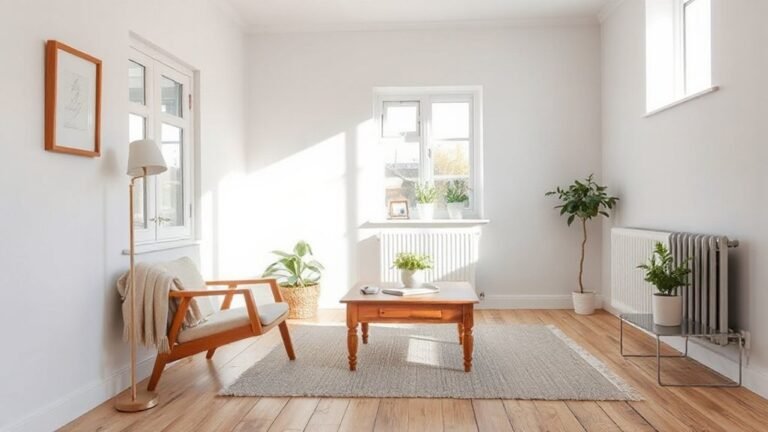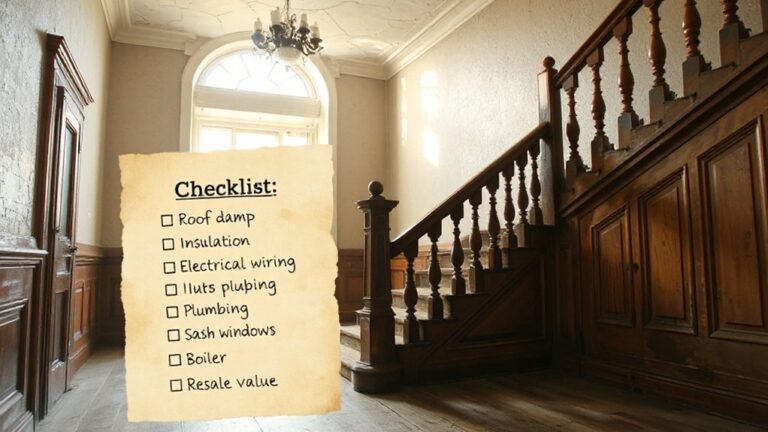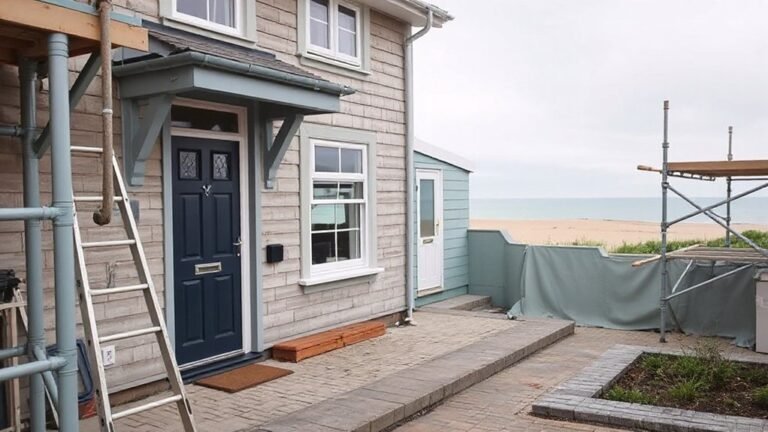
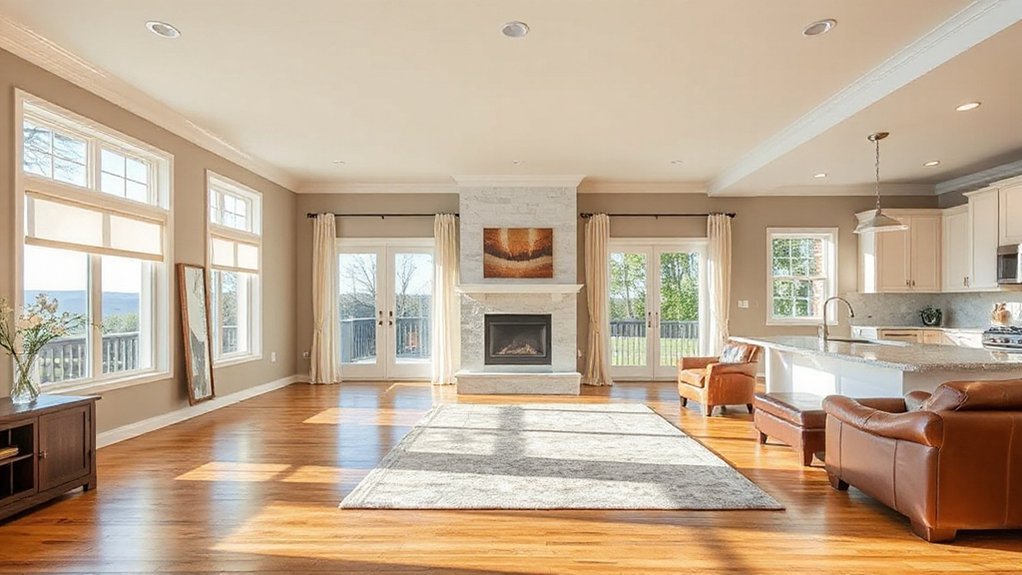
In renovated properties, you look for durable materials with proven lifespans, standardized specs, and resilience that withstand wear, weather, and load. You want craftsmanship you can trust—clear documentation, service history, and third‑party testing—plus finishes that perform in real use rather than just look good. Function matters: logical layouts, strong zoning, and upgrades that boost energy efficiency and curb appeal. Timing and cost discipline matter too, because fast, credible closings rely on predictable scope and receipts. There’s more to perfecting value beyond the surface.
Framing: How to Evaluate Renovations for Value, Risk, and Speed to Close
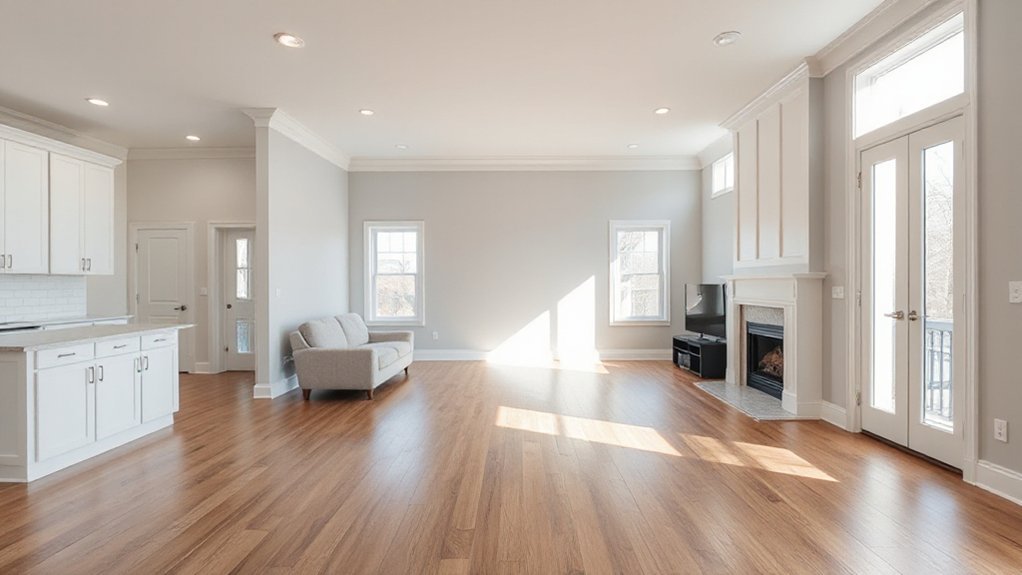
When evaluating renovations, you should start with a clear framework that links value, risk, and speed to close. You frame decisions around structural integrity, cost impact, and timeline, then test each choice against a disciplined checklist.
Assess structural integrity by tracing load paths, connections, and how modifications affect foundations and framing efficiency. Consider material selection for durability, compatibility, and future maintenance, avoiding short-sighted fixes that spike long-term risk.
Map value changes to buyer perception: improved space, compliance with code, and enhanced energy performance.
Quantify risk by identifying latent defects, scheduling bottlenecks, and supply chain volatility, then buffer with contingencies.
Finally, optimize speed to close by aligning trades, permits, and inspections to a predictable cadence, ensuring that every framing decision advances both feasibility and appeal.
Durable Materials: What Longevity Signals to Lenders and Buyers
Durable materials signal long-term value to both lenders and buyers by delivering predictable performance, lower maintenance, and fewer surprises after closing. In practice, you’ll look for substrates and components with proven lifespans, standardized specs, and robust resilience to local conditions.
Durability signals come through when materials tolerate wear, weather, and load without rapid degradation, reducing the risk profile of the asset. Material longevity translates into fewer repair cycles, lower upkeep costs, and steadier depreciation.
You’ll want clear documentation: warranty terms, service history, and third-party testing results that validate performance under typical use. Prioritize systems and finishes with demonstrated track records in your climate, rather than short-term aesthetics.
When longevity is evident, lenders and buyers perceive greater certainty, enabling smoother financing and a more confident offer.
Craftsmanship You Can Trust: Quality in Real-World Use
Craftsmanship you can trust hinges on how a property performs after it’s occupied, not just how it’s finished at handover. You assess real-world use by probing joints, finishes, and system responses under daily rhythms.
You feel the difference when doors close with measured weight, cabinetry stays true, and mechanicals operate with minimal noise. Craftsmanship standards aren’t مجرد aesthetics; they’re reliability, durability, and ease of maintenance under your tenants’ routines.
Look beyond polish to how spaces age: staining, warping, thermal performance, and moisture control. Aesthetic appeal matters, but it’s the consistency in function that preserves value.
You favor results that endure, that don’t require constant repair, and that deliver predictable performance in varied wear. Informed buyers recognize quality that balances beauty with tested, repeatable performance.
Design for Function and Market Appeal: Layouts That Sell
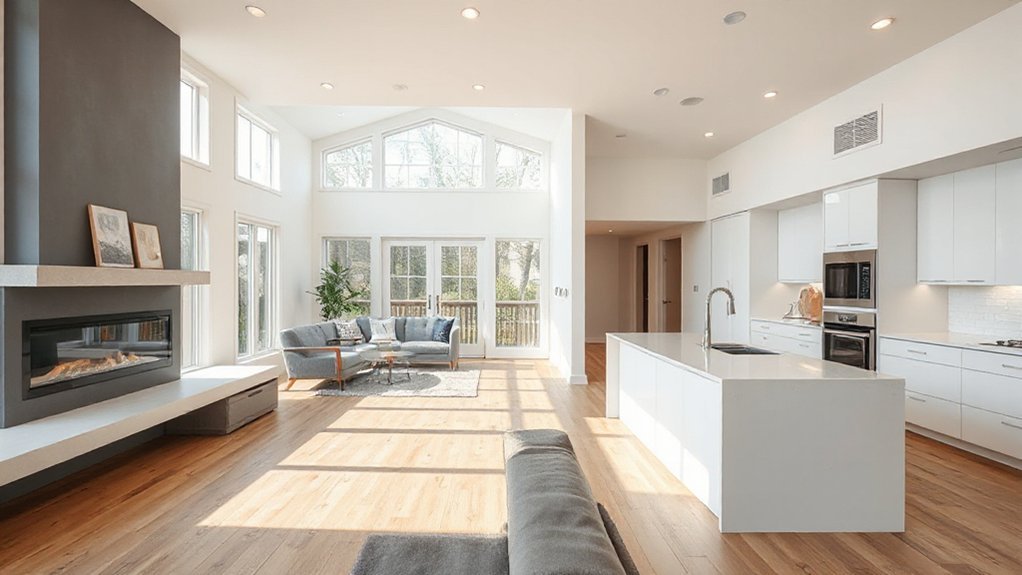
Smart layouts marry function with appeal, guiding buyers from first glance to confident purchase. You’ll design spaces that flow, minimize wasted steps, and emphasize intuitive use.
Prioritize clear zoning that supports daily life: a welcoming entry, living zones separated from work areas, and quiet retreats tucked near natural light. Creative zoning lets you adapt rooms for evolving needs without sacrificing cohesion, making the property feel larger and more versatile.
Connect circulation to natural focal points—views, light, and outdoor access—to reduce friction in viewing and negotiation.
Tie the external curb appeal to internal expectations with cohesive facade-to-floorplan storytelling: consistent materials, scale, and texture. A thoughtfully laid out plan lowers perceived risk and accelerates buyer confidence, translating layout clarity into faster, higher-value offers.
Smart Upgrades With Clear ROI: Which Improvements Move the Needle
You’ll prioritize ROI-powered upgrades that reliably boost value without overhauling the core.
Smarter renovations balance cost, timeline, and shopper impact to shorten the path to sale.
This discussion starts with which improvements consistently move the needle and how to measure that momentum.
ROI-Powered Upgrades
Smart, data-driven upgrades deliver measurable value by targeting improvements that boost curb appeal, energy efficiency, and functional appeal. Then showing how each investment recovers costs through faster sales, higher rent, or lower operating expenses. You’ll prioritize ROI by selecting upgrades with verifiable payback, avoiding vanity fixes.
Historic preservation practices can coexist with modern performance, preserving character while upgrading systems and envelopes.
Landscaping enhancements create immediate first impressions, extend outdoor usability, and reduce cooling loads with shade and native plantings.
For interior moves, focus on efficient HVAC, smart thermostats, and durable finishes that resist vacancy wear.
Document cost versus benefit for each improvement, and forecast impact on time on market and net operating income to guide decision-making.
This disciplined approach aligns design intent with measurable financial results.
Smarter Renovations, Faster ROI
To move the needle, prioritize renovations that deliver verifiable ROI: energy-efficient upgrades, durable finishes, and systems that reduce operating costs while elevating curb appeal and tenant experience. You’ll focus on high-impact, measurable improvements that tenants notice and landlords appreciate.
Smarter renovations blend thoughtful design with data-driven choices, reducing friction between cost and value. Landscaping enhancements frame properties, extend outdoor living, and lower heat island effects, boosting curb appeal and marketability without overinvesting.
Prioritize energy efficiency through HVAC sequencing, high-performance windows, and advanced insulation, delivering lower utility bills and stronger NOI. Choose durable materials with long lifespans and minimal maintenance to sustain value.
Align renovations with operational realities, maintenance planning, and tenant satisfaction, ensuring faster leasing, lower turnover, and a clear, scalable ROI trajectory.
Essential Systems Updates: Electrical, Plumbing, and HVAC Reliability
You’ll start by evaluating Electrical System Reliability to prevent outages and safeguard investments.
Next, you’ll verify Plumbing Integrity Checks to avert silent failures and costly repairs down the line.
Finally, you’ll align HVAC reliability with long-term comfort and energy efficiency, setting a solid foundation for a truly renovated property.
Electrical System Reliability
Inspect service amperage against modern load expectations, then prioritize wiring upgrades where aging insulation or shared neutrals exist. Seek updated conductors, proper conduit, and accessible junctions to simplify future maintenance.
Verify breaker labeling, surge protection, and dedicated circuits for high-demand devices. Document retrofit scopes, component dates, and warranty coverage for buyers.
For real estate assessments, present phased upgrade paths with cost envelopes and timeline milestones. Electrical safety isn’t optional; it’s a selling criterion.
You’ll translate technical detail into actionable buyer confidence, minimizing risk and maximizing value.
Plumbing Integrity Checks
With electrical reliability established, the focus now shifts to plumbing integrity checks that protect occupancy, value, and habitability. You’ll verify lines for corrosion, proper slope, and accessible shutoffs, ensuring future maintenance is feasible rather than invasive.
Inspect fixtures for signs of wear, and confirm caulking, seals, and traps prevent moisture intrusion without hindering operation. Pressure tests reveal hidden weaknesses, so you map out water flow and pressure consistency across fixtures to prevent sudden failures.
Document any hotspots that suggest scaling or mineral buildup, then plan upgrades that minimize disruption and maximize efficiency. Water pressure data guides valve settings and performance expectations, while leak detection sequences expose concealed leaks before they escalate into damage.
A concise report strengthens informed decisions and confidence in the renovated property’s durability.
Disclosures and Negotiations: What Home Condition Tells Buyers and Lenders
Disclosures and negotiations hinge on a clear picture of home condition, because what you reveal—and what you withhold—directly shapes buyer confidence, lender risk assessments, and pricing. You map every flaw and fix with precise detail, aligning disclosure requirements to legal and ethical standards.
When you present renovations, you quantify materials, dates, contractor credentials, and warrantied work, avoiding ambiguity. This transparency powers strong negotiation strategies: buyers respond to documentation, not vibes, while lenders gauge collateral and repayment risk.
Your narrative should connect structural integrity to functional systems, HVAC, electrical, and plumbing updates, demonstrating durability. By preempting questions with actionable facts, you reduce back-and-forth, shorten cycles, and protect value.
Clarity, accountability, and foresight become your competitive edge in a disciplined market.
Speed, Risk, and Value: How Timing Affects Price and Closing
Timing isn’t an afterthought—it’s a leverage point that can accelerate or constrain a deal. You assess speed, risk, and value by linking market timing to closing dynamics.
When renovations align with favorable demand windows, prices compress risk and widen negotiating options; when they miss windows, you shoulder carrying costs and tighter margins. You measure value not just by finishes, but by the cadence of approvals, permits, and contractor throughput.
Delays inflate holding costs and erode return, while rapid execution can disclose premium pricing and quicker closings. Budget discipline matters: renovation budgeting anchors expectations, prevents overrun, and preserves margin under pressure.
Informed pacing becomes a negotiator’s tool, turning timing into measurable value, risk control, and a smoother path to closing for all parties.
From Appraisal to Offer: How Renovations Shape Valuation and Financing
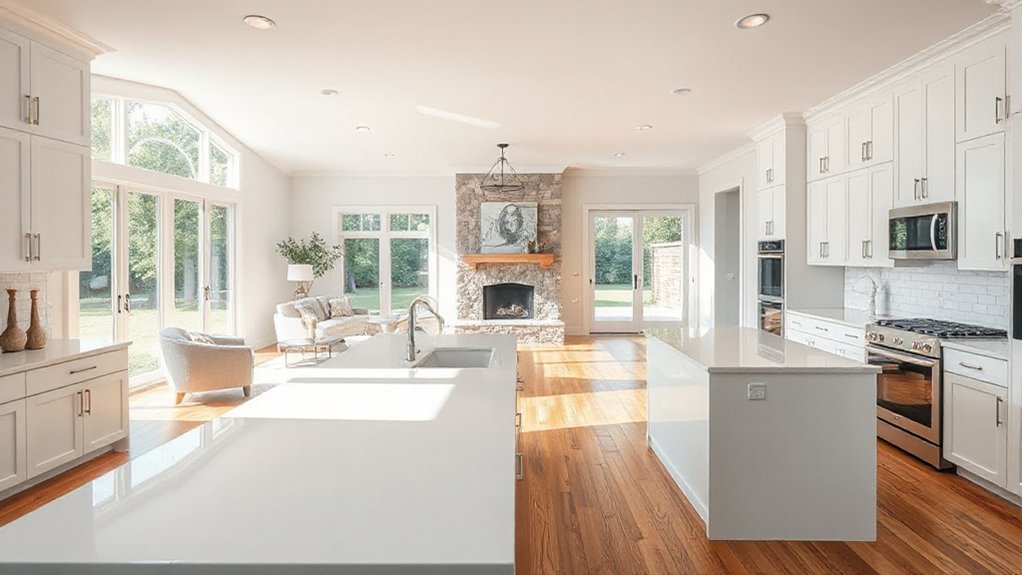
Renovations don’t just change walls and finishes—they recalibrate appraisal benchmarks and financing pathways.
From appraisal to offer, you influence how lenders view risk, collateral, and leverage, aligning project scope with lender criteria and market momentum. Your decisions ripple through value calculations, anchoring offers to verifiable upgrades and cost controls.
As you assess market trends, you balance expected appreciation with risk, shaping negotiation power and loan terms. Budgeting isn’t an afterthought—it’s a credential, proving you can deliver on planned outcomes and timelines.
With disciplined renovation budgeting, you reduce surprise costs, sustain cash flow, and preserve leverage at closing.
- Market trends guide pricing expectations and buyer appetite
- Renovation budgeting anchors loan-to-value and interest terms
- Appraisal outcomes hinge on documented scope and receipts
- Timelines impact funding cadence and offer timing
- Quality finishes bolster confidence in future resale
Frequently Asked Questions
How Do Renovations Impact Loan-To-Value Ratios and Appraisals?
Renovations can raise appraisals, boosting loan-to-value if value increases, but risky fixes may reduce it; lender conditions vary. You should consider property staging and renovation financing strategies to optimize appraisal outcomes and financing terms.
Which Renovation Types Yield the Strongest Resale ROI?
Yes, you’ll maximize resale ROI with kitchen and bathroom upgrades, solidifying impact, enhancing flow, and boosting perceived value. Prioritize Renovation budgeting, plan durable, timeless Interior upgrades, and align costs with target buyer expectations for lasting appeal.
Do Local Market Trends Affect Renovation Decision Timing?
Yes, market fluctuation affects renovation timing, so you adjust your plan to capitalize on cycles. You monitor indicators, align budgets, and time upgrades when demand rises, ensuring you maximize value before market shifts slow momentum.
How Long Should Renovation Projects Realistically Take to Close?
Renovations generally take 60–120 days to close, depending on scope and permits. You should schedule buffers for inspections, timelines, and financing. Prioritize Historical preservation and Eco friendly upgrades to maximize value and streamline lender confidence.
What Documentation Do Lenders Require for Renovated Properties?
You’ll need lender-required documentation for renovated properties, including complete property disclosures and copies of renovation permits, along with contractor invoices and scope of work, ensuring disclosures reflect any changes to property value or conditions.
Conclusion
You want value without surprises? Then renovate like a pro: frame decisions, pick durable materials, and demand craftsmanship you can actually test in rain and time. Design for both function and market appeal, upgrade with clear ROI, and lock in essential system reliability. Disclosures, negotiations, and timing aren’t nuisances—they’re finance-stability signals. In short, align renovations with appraisal reality, or watch buyers and lenders invent their own “as-is” story. Your future price tag resembles your due diligence. If not now, when?
About the Author