Outdoor spaces gain depth when you choose materials that age with purpose. You’ll see weathered wood mellow to a rich warmth, metals develop a patina, and stone weather to a tactile, time-worn surface. With thoughtful protection and steady care, these elements gain character rather than wear out. The question you’ll want to answer next: how will your design encourage this natural evolution without sacrificing function or comfort?
Key Takeaways
- Favor durable, weather-resistant materials that age gracefully through patina, texture, and subtle color shifts, such as weathered wood, copper, steel, aluminum, stone, and concrete.
- Use finishes and coatings that develop protective patinas slowly, opting for breathable, UV-stable, and low-odor options aligned with long-term character.
- Prioritize proper drainage, joints, and non-corroding fasteners to prevent moisture damage and support stable aging.
- Plan maintenance around natural aging rhythms (light cleaning, selective re-sealing, routine inspections) to preserve authenticity without over-restoration.
- Include design strategies that pair aged materials with clean lines and modular components to celebrate patina while maintaining practicality.
Why Some Outdoor Materials Age Gracefully: Key Qualities
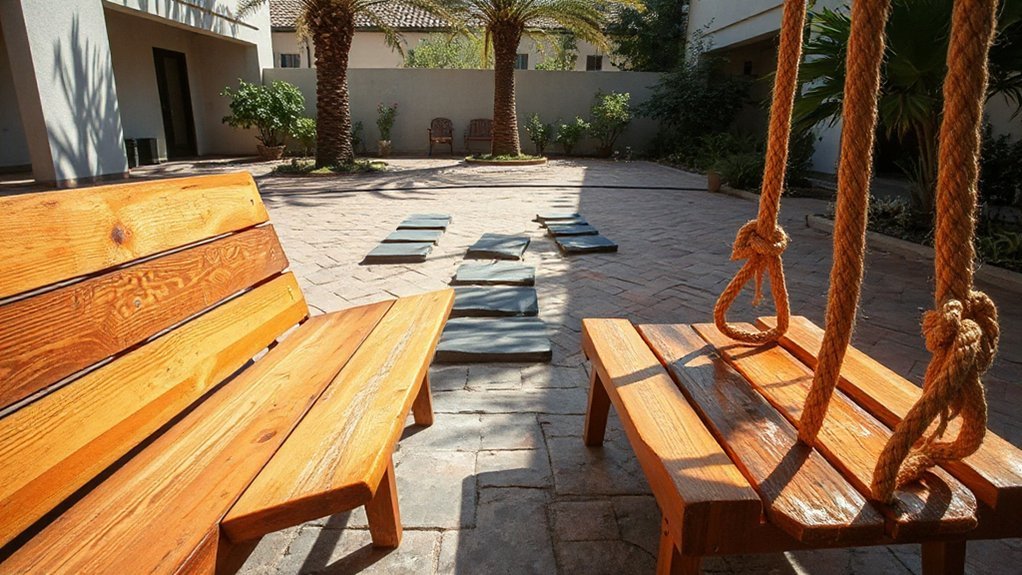
Outdoor materials that age gracefully share a clear set of qualities: durability, weather resistance, and thoughtful design that anticipates long-term use. You’ll prioritize materials that resist decay, resist UV and moisture, and stay stable as seasons change.
Look for balanced composition, latticework, and fasteners that won’t corrode. Practicality matters: predictable maintenance, clear repair paths, and modular components that retrofit over time.
Visualize longevity across outdoor furniture and garden lighting, ensuring harmony between form and function. Favor finishes and treatments that patina without flaking, and joints that flex rather than crack.
You’ll value scalable construction, reuseability, and proven performance in varied climates. With these qualities, your outdoor spaces mature gracefully, delivering consistent comfort, reliable aesthetics, and enduring usefulness that supports daily living.
Choose Weathered Wood for Deepening Warmth
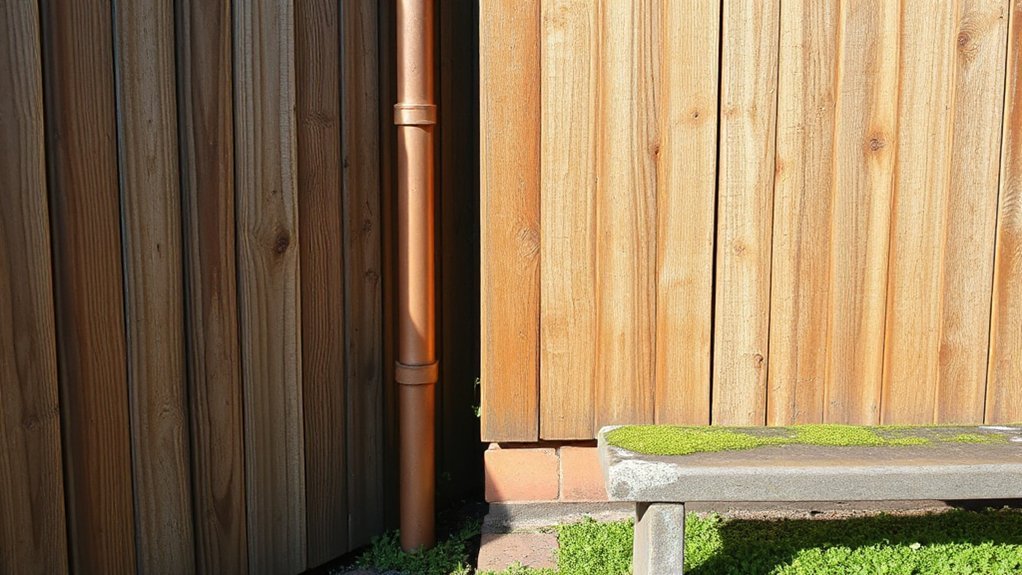
Weathered wood brings instant warmth to outdoor spaces, gently aging to a richer, more inviting hue while still standing up to weather. You choose weathered boards to deepen warmth, balancing grain texture with protective finishes that slow UV damage and moisture intrusion.
Plan for repeatable maintenance cycles: re-seal every two to five years, depending on exposure, and dust off debris to prevent moisture pockets. Rustic charm emerges as boards mellow, showing subtle tonal shifts that read as intentional aging, not neglect.
Integrate weathered planks with concrete, stone, or metal accents to amplify Vintage appeal without overpowering the setting. For longevity, favor rot-resistant species or treated lumber, install proper drainage, and keep gaps small enough for airflow yet large enough to avoid warping.
The result is timeless warmth that ages gracefully.
Patina-Worthy Metals: Copper, Aluminum, Steel
Copper, aluminum, and steel each carry a patina that can define outdoor character, from warm, living greens to a smoky blue-gray or rich chocolate hue. You’ll notice how metals age with intention, revealing history in texture and color, a quiet story of time and use. Consider these points:
- Historical influences shape the tone of your space, steering you toward warm verdigris or cool oxide.
- Cultural symbolism informs material choice, aligning your outdoors with tradition or modernity.
- Copper’s evolving glow invites careful restraint, letting patina read as heritage rather than maintenance.
- Steel and aluminum offer versatile patinas that deepen with exposure, creating lasting, low-maintenance drama.
Patinas act as design fingerprints, signaling character and longevity.
Stone and Concrete: Texture That Gains Character
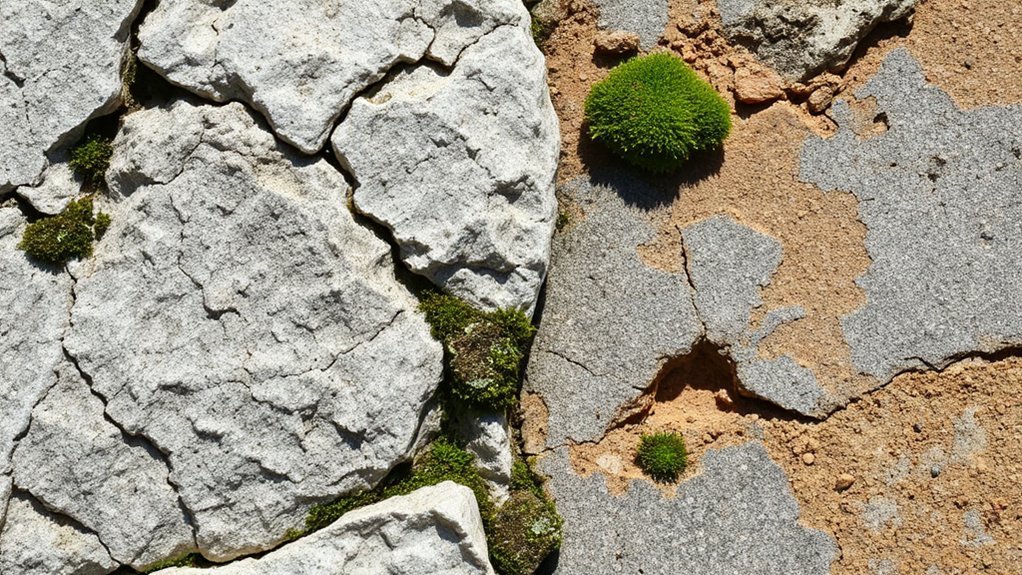
Texture gains character as you observe how stone’s grain and concrete’s patina transform with use, weather, and time. Aging stone aesthetics reveal subtle shifts in color, texture, and tactile feel that deepen landscape presence.
This concrete weathered charm invites you to design with wear-in cues, showing how material memory can guide future choices.
Texture Gains Character
- Observe the micro-scratches that catch light and shade, adding depth.
- Reward uneven edges with intentional seating, planters, or steps that invite touch.
- Preserve faint oils or mineral blooms to enhance color nuance.
- Maintain joints and creases to honor the material’s natural aging.
Your vision becomes practical: durable, expressive, and timeless, with texture guiding every step and decision.
Aging Stone Aesthetics
Aging stone gains character through deliberate patina: weathering, mineral blooms, and micro-scratches become design choices rather than flaws. You’ll observe how texture evolves with usage, sunlight, and moisture, then plan treatments that accentuate it rather than erase it.
Modern technology lets you fine‑tune stone’s aging trajectory, from controlled patination to surface sealing that preserves interest without masking variation. You’ll select stone types that patina gracefully—limestone, sandstone, and certain granites—while incorporating finishes that slow or guide progress.
Consider environmental impact: choose locally quarried blocks, low‑VOC sealers, and water‑recycling rinse options to minimize footprint. Document patina maps—where bloom, wear, and micro-scratches emerge—to predict how the surface will read over years.
Your goal: a timeless, tactile façade that improves with each season.
Concrete Weathered Charm
Could a weathered concrete surface tell a story of place and time? You’ll notice rustic charm emerge from honest wear. Weathered surfaces gain character through use, exposure, and small, intentional compromises with the elements. Here’s how to read the texture and plan for longevity:
- Inspect for micro-cracks and patina; these mark age without compromising strength.
- Acknowledge color shift; sun, rain, and ground moisture sculpt a unique palette.
- Maintain with a targeted seal to preserve grain and prevent spalling.
- Integrate landscaping that complements the tone—soft greens against gray creates balance.
This approach is practical and forward-thinking, shaping concrete into a durable, poetic material that ages gracefully.
Terrazzo and Composites: Soft-Start Surfaces That Richen
Terrazzo and composite surfaces can transform high-traffic spaces by delivering soft-start performance that minimizes noise, wear, and maintenance while maximizing visual depth. You’ll notice terrazzo textures that reveal micro-reliability as foot traffic compounds visual grain.
With well-formulated binders and aggregate guidance, the result stays even under pressure, reducing scuffing and chatter compared to harder finishes. You’ll appreciate composite durability built into the matrix, delivering impact resistance and consistent color payoff without frequent resealing.
This approach favors modular maintenance: cleanable surfaces, low-slip profiles, and predictable wear patterns that age gracefully. Choose muted or bold palettes to extend perceptual richness as patina forms.
In practice, specify slip resistance, UV stability, and thermal tolerance to guarantee long-term performance that harmonizes with evolving outdoor environments.
Outdoor Fabrics That Fade Kindly
- Observe how fibers mellow over time, creating depth without compromising strength.
- Choose UV-stable dyes that resist chalking while preserving tone.
- Expect gradual shifts in hue, guided by exposure and care, not abrupt loss.
- Pair with fabrics built for outdoor life, so texture retained meets visual patience.
This approach favors long-term charm, practical upkeep, and a future you’ll witness as a living material.
Finishes That Age Gracefully: What to Use and Why
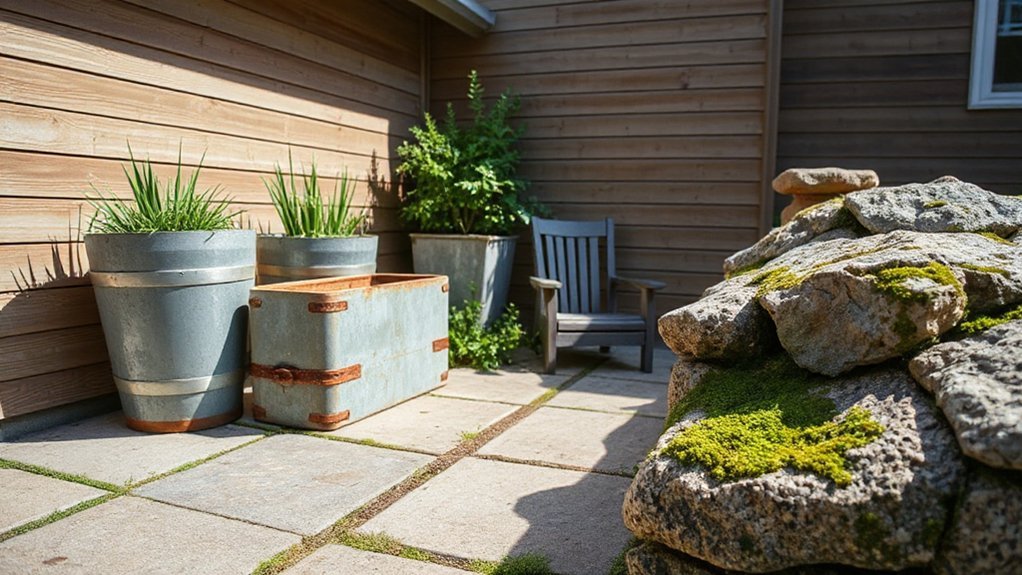
Finish with care, not flash: finishes that age gracefully blend protection with evolving character, so outdoor surfaces look richer over time while resisting wear. You choose finishes that form a slow, protective patina rather than a hard shell. Oil-based sealers emphasize depth and a tactile, natural feel, inviting Vintage charm as grain and texture breathe.
Waterborne systems deliver lower odor and quicker cure, preserving Rustic elegance with minimal film buildup. For woods, consider UV-stable varnishes or penetrating oils that resist checking while allowing color drift into warm tones.
Stone and masonry benefit from breathable sealers that deter staining without isolating the surface. Reapply per product guidance on intervals, ensuring compatibility with substrates. The goal is durable beauty that evolves, not fades.
Maintenance Habits That Promote Natural Patina
Maintaining a natural patina isn’t about chasing perfection; it’s about guiding change so wood and stone develop character while staying protected.
You’ll establish habits that celebrate aging materials without masking them. Focus on consistent cleaning, measured exposure, and smart protection.
- Clean regularly with a soft brush and neutral soap to remove grime without stripping patina.
- Mop or rinse surfaces lightly to avoid standing water on stone, preserving texture.
- Reapply protective finishes only when wear shows, never on damp days.
- Integrate garden furniture and outdoor lighting checks into the same cadence to ensure cohesive aging.
You’ll notice patina deepening where traffic and weather meet, telling a story of place and purpose.
Design Patterns That Age With Your Space
You’ll see how Weathered Patina Charm develops as seasons turn, adding storytelling texture to your spaces without shouting.
Pair timeless materials so they age together, creating a cohesive, evolving backdrop that feels deliberate rather than dated.
Expect Seasonal Texture Shifts to layer in subtle cues—color, grain, and patina—that keep the design fresh while honoring its roots.
Weathered Patina Charm
- Embrace natural patinas on metals and woods, letting exposure tell the tale.
- Prioritize breathable finishes that patina without flaking, preserving integrity.
- Schedule lightweight maintenance that enhances glow, not restoration.
- Pair aged surfaces with clean lines to balance warmth and clarity.
The result feels deliberate, durable, and quietly refined—an enduring, practical vision for outdoor living.
Timeless Material Pairings
Introduce tactile contrasts—matte bricks with brushed metal, or sisal with glazed ceramic—to keep surfaces lively without shouting. Choose restrained palettes that embrace evolution: charcoal, taupe, and warm ivory, punctuated by a touch of copper or brass for vintage charm.
Layer textiles sparingly to avoid busy fatigue, favoring durable outdoor fabrics in sun-washed hues. Prioritize proportion and cadence: repeat a single texture at varied scales, and align joints and grout lines for visual harmony.
The result is rustic elegance that ages thoughtfully alongside your space.
Seasonal Texture Shifts
- Observe how finishes mellow or deepen with sun exposure.
- Select substrates that gain character through micro-cracking or patina.
- Prioritize joints and seams that accommodate movement and moisture.
- Schedule maintenance that respects each material’s rhythm, not a rigid timetable.
Result: environments that feel aligned with nature, aging deliberately, beautifully, and cohesively.
Planning Budget: Materials That Improve Over Time
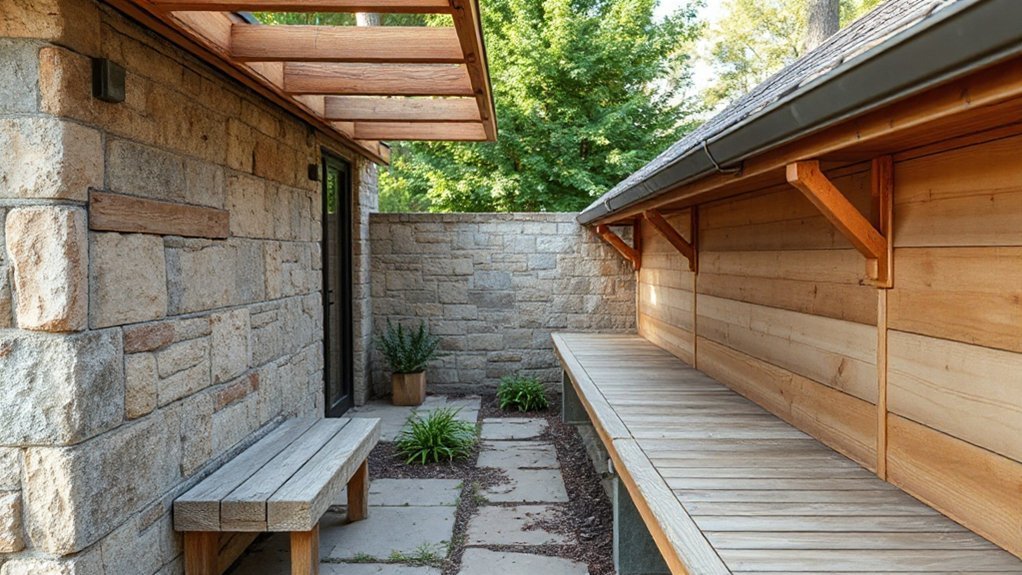
A smart budget for materials that improve over time starts with anticipating durability, maintenance needs, and the long-term value of each choice. You map upfront expenses against projected life cycles, so you don’t overpay for quick fixes. Material durability informs replacement timing, while maintenance costs shape annual cash flow.
You pair a clear cost analysis with performance expectations—colorfast finishes, weather resistance, and structural integrity—so you can compare options apples-to-apples. Include concealment and accessibility in upkeep plans, since easier access lowers labor time and costs.
You’ll prioritize materials that age gracefully, reducing rework and waste, even if upfront prices are higher. Your plan balances initial outlay with resilience, preserving aesthetic appeal while avoiding surprises.
Budget realism guides decisions toward sustainable gains and meaningful, lasting outdoor value.
Case Studies: Projects That Gained Character Over Time
Weathered charm reveals itself as you watch materials age gracefully. Each project tells a story of use and weather.
You’ll notice patina forming in layers—the textures, colors, and micro-etchings that become its own architecture, not a flaw.
This time-driven evolution guides your choices, showing how durability and character can coexist as you plan future outdoor spaces.
Weathered Charm Emerges
Over time, weathered materials tell a story that’s as practical as it’s inspiring: they gain depth, texture, and a sense of authenticity that new surfaces can’t match. You’ll notice how wear defines form, weatherproofing habits deepen, and character becomes a quiet signature.
This is Weathered Charm Emerges, where projects gain life through deliberate aging.
- Emphasize grain and patina to enhance rustic elegance.
- Let surface wear reveal vintage appeal without pretending it’s new.
- Use slow, repeatable finishes that tolerate foot traffic and sun.
- Pair aged textures with clean lines to balance modern function.
Practical choices meet visionary outcomes: you’ll craft spaces that feel lived-in, durable, and beautifully purposeful—without chasing perfection.
Material Patina Stories
Case studies reveal how materials accrue patina—and with it, a projects’ character deepens. You’ll trace real projects where metal, stone, and timber reveal evolving stories as they weather.
The aging process isn’t loss; it’s a dialogue between use, climate, and finish. In patina preservation, you safeguard intention while letting time illuminate texture, color shift, and micro-events that hint at daily life.
You observe how a copper panel softens to teal, how wood deepens and gains subtle grain shifts, how stone wears a gentle patina that tightens joints and reveals joints’ history.
Document the moment-to-moment changes, not just the finale. These case notes become practical guidance, a forward-looking record that informs future detailing, maintenance schedules, and design choices without stifling natural evolution.
Time-Driven Aesthetic Evolution
Time becomes a design partner when projects gain character over time, and these case studies show how materials respond to use, climate, and intent. You’ll see rustic charm emerge as weather, foot traffic, and sun convert raw surfaces into expressive textures, while vintage appeal deepens with patina and softened edges.
By tracing each project’s lifecycle, you recognize time as a collaborator, not a thief. Consider these patterns:
- Reclaimed wood floors age to warm, rich tones that invite touch.
- Corten steel oxidizes into a protective, sculptural patina that defines space.
- Stone gardens mellow with moss, increasing grip and comfort.
- Brick fades to a nuanced, sun-soaked palette that ties structures together.
The result is practical beauty that feels inevitable and alive.
Frequently Asked Questions
How Does Weathering Influence Long-Term Maintenance Costs?
Weathering drives maintenance costs up or down by how you plan. It reduces surprises when you implement proactive Maintenance strategies, choosing materials with high Material durability and designing for easy repair.
Weathering guides you to schedule inspections, sealants, and finishes before failures occur, saving big over time. You’ll optimize budgets, extend lifespans, and reflect resilience in your spaces.
Prioritize durable, serviceable choices, and you’ll see lower life-cycle costs and steadier performance through seasons.
Which Finishes Resist Staining as They Age?
Stain resistant finishes, you’ll find, aging with grace. Protective coatings shield surfaces, keeping color true while weathering quietly. You’ll notice less blooming, fewer blotches, and easier cleanup as seasons pass.
You’ll choose finishes specifically labeled stain resistant and UV-stable, applied with meticulous prep. You’ll see long-term value from coatings that resist staining, flex with temperature, and form a whisper-soft barrier.
You’ll plan maintenance smartly, extending life and beauty without constant repaints or repairs.
Do All Outdoor Materials Age at the Same Rate?
No, not all outdoor materials age at the same rate. Material durability varies by composition, exposure, and maintenance, so some patina quickly while others stay relatively stable longer.
You’ll see an aesthetic evolution differently across woods, metals, and composites. Plan for intentional aging, not denial of it, and tailor treatments accordingly.
With foresight, you can balance durability with beauty, ensuring your space matures gracefully while meeting practical needs.
Can Aging Patina Affect Resale Value Positively or Negatively?
Aging patina can boost resale value if it adds patina charm that buyers find authentic. It can also hurt value if the wear signals neglect or structural issues.
You’ll want to document upkeep and show how the aging enhances aesthetic appeal, not hides flaws. Keep materials well-maintained, repair damaged edges, and present finishes as intended.
When buyers see intentional patina, they’ll perceive durability, practicality, and a timeless, visionary beauty.
What Environmental Factors Accelerate or Slow Patina Formation?
Patina forms faster where surface oxidation thrives and organic material accumulates, so environmental factors like humidity, temperature swings, and airborne pollutants accelerate it.
Breezy, dry climates slow it. You’ll see surface oxidation intensify with sun exposure and frequent wet-dry cycles, while biological growth thrives in shade, lingering moisture, and rich soils nearby.
You can slow or steer patina by controlling moisture, particulates, and airflow, guiding a durable, intentional aged look rather than random decay.
Conclusion
Over time, the spaces you plan today meet you where you are—often at exactly the moment you notice a shift in hue or texture. You’ll see patina emerge just as you settle into the rhythm of seasons, a quiet coincidence that makes your landscape feel earned, not added. Stay practical: pick materials that age gracefully, care for them thoughtfully, and let their evolving character guide your design. The result? A timeless outdoor living space that grows with you.
About the Author