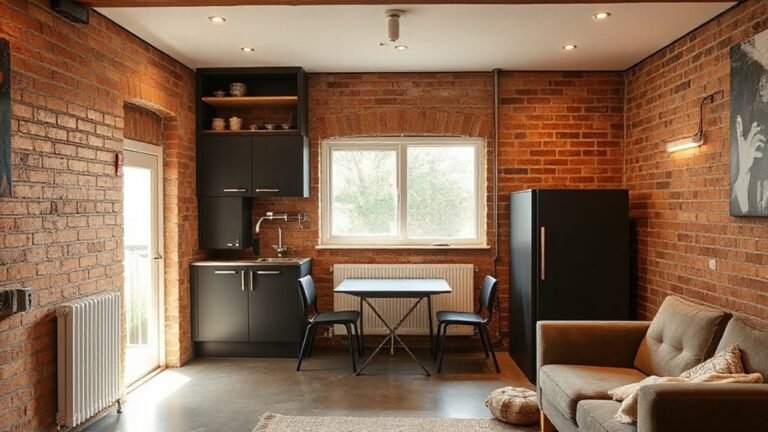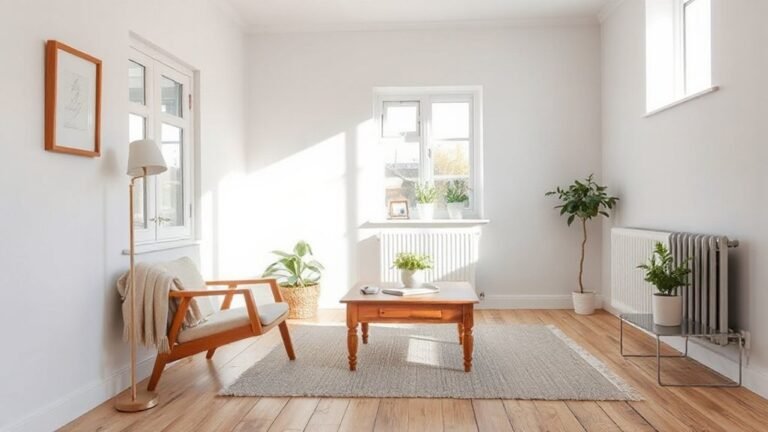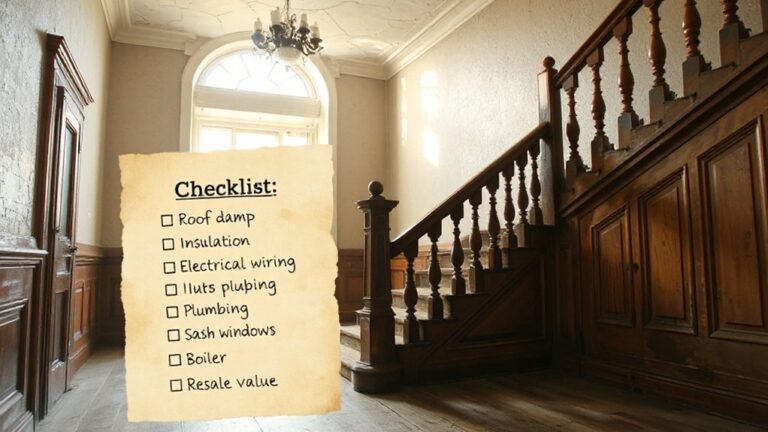
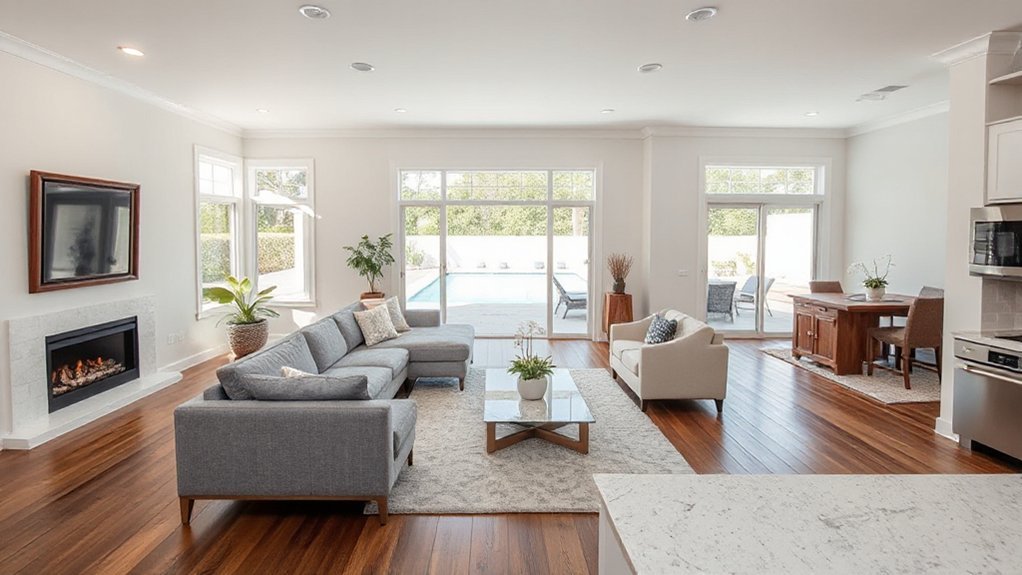
You should prioritize durable, high-impact upgrades that buyers notice first and that drive measurable resale lift. Focus on kitchens and baths, plus timeless finishes that justify premium pricing. Highlight energy efficiency, smart tech, and low-maintenance materials to cut operating costs and boost appeal. Use data to show cost per point of listing appeal, not flashy trends. Align upgrades with market conditions, keeping narratives authentic and shareable. If you keep exploring, you’ll uncover how to maximize value with strategic choices.
How Upgrades Deliver ROI: A Practical Framework
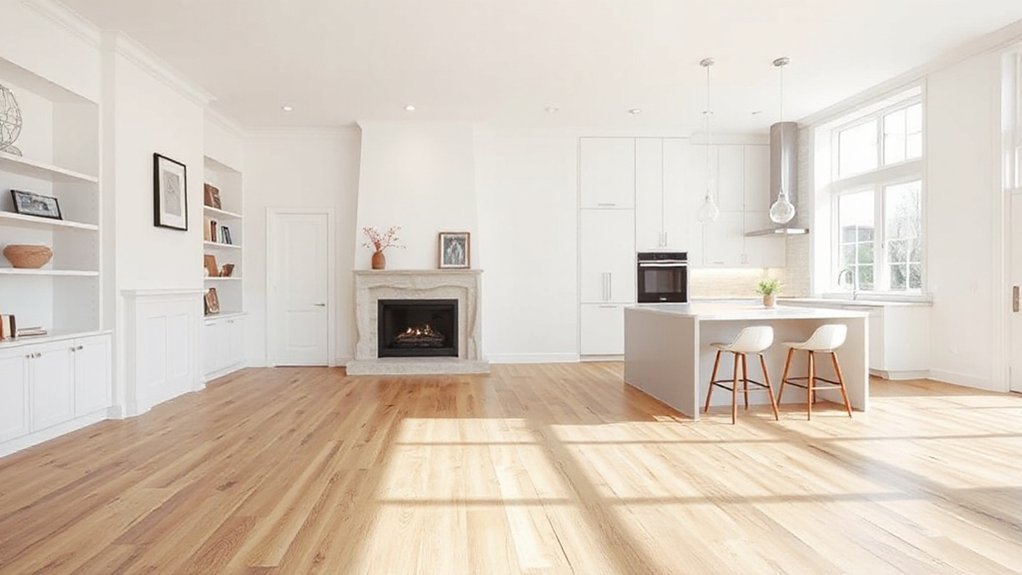
Upgrading a home’s features isn’t just about aesthetics; it’s a strategic move that sharpens value and speeds sale. You map ROI by aligning upgrades with buyer priorities, prioritizing high-impact changes over cosmetic fads.
Start with a baseline: cost, time, and anticipated resale lift, then test each upgrade against a data-driven benchmark. Luxury features justify premium pricing when they prove durable and recognizable, not fleeting.
Smart technology earns efficiency and appeal, yet you quantify savings in energy bills, maintenance, and convenience to support the price delta.
Prioritize kitchens and baths, framing improvements as usable, timeless assets rather than trends.
Track post-renovation demand signals, comparing days-on-market and price per square foot.
You finish with a clear, investable narrative: measurable value, aesthetic resonance, and buyer confidence.
What Buyers Notice First About Upgrades
You notice first the impression of First-Impression Upgrades that set the tone within seconds, shaping how buyers gauge value.
The Visible Amenities Spotlight draws the eye to features most correlated with faster offers and higher perceived quality.
In a data-driven view, these initial cues—materials, lighting, and layout—signal durability and lifestyle fit before you present any ROI metrics.
First-Impression Upgrades
Entry lighting sets mood while reducing perceived vacancy; opt for warm, even illumination that highlights architectural lines without glare.
Landscaping enhancements frame the facade and guide the eye toward the front door, boosting curb appeal in seconds and contributing to perceived upkeep.
Materials and finishes at the threshold should align with the rest of the home’s style, signaling consistency.
Avoid clutter, mismatched hardware, or visible wear.
Prioritize durable, low-maintenance elements that perform beyond initial impressions, reinforcing a buyer’s confidence in ongoing care and future value.
Visible Amenities Spotlight
In sightlines the moment a buyer steps inside, visible amenities signal quality through tactile polish and intuitive function: gleaming countertops, aligned cabinetry, and smart, unobtrusive hardware that read as durable investments. You notice how finish consistency, seam precision, and lighting harmony contribute to perceived value within seconds.
This spotlight favors items with demonstrable durability and maintenance data, not just aesthetics. Luxury features stand out when materials resist fingerprints, wear, and staining, while layout supports flow and accessibility.
Technological integrations should be discreet yet verifiable via user-friendly interfaces and remote-control accessibility. Buyers respond to clear, tangible cues: even minor alignment or edge detail can lift perceived quality by measurable margins.
Documented performance, paired with clean, modern styling, translates into faster interest and higher offered prices.
Kitchen and Bath Tweaks That Pay Off (Best ROI Moves)
Upgrading kitchens and baths yields measurable returns when you target cost-per-point improvements that buyers notice. You’ll focus on high-impact updates that elevate perception of quality while maintaining sensible budgets.
Prioritize durable, low-maintenance finishes with timeless appeal, guiding the eye to clean lines and balanced proportions.
In kitchens, replace dated cabinetry hardware, install energy-efficient lighting, and upgrade countertops to materials with broad appeal.
In baths, emphasize moisture resistance, smart storage, and quiet, thermo-friendly fixtures.
Incorporate luxury fixtures and integrate smart technology where it strengthens value without overcapitalizing.
Measure ROI by comparing pre- and post-update interest, showing faster showings and higher offers per square foot.
Avoid trend-only changes; anchor decisions in durability, aesthetics, and buyer expectations for modern living.
Curb Appeal Upgrades That Sell Homes Faster
Could a few well-chosen curb appeal upgrades shave days off your listing timeline? Yes, and you’ll see measurable impact from targeted exterior improvements.
Landscaping enhancements that emphasize clean lines, seasonal color, and low‑maintenance appeal refresh the first impression before buyers step inside. Investment is most effective when it aligns with your home’s architectural style and existing materials, creating cohesive curb language.
Exterior lighting adds safety and depth, extending “golden hour” photos into the evening and guiding sightlines to key features.
Data shows homes with polished landscapes and strategic lighting outperform comparable listings by shortening days on market and boosting perceived value.
Prioritize drought‑tolerant plantings, mulch consistency, and energy‑efficient fixtures to maximize return without overspending.
Energy-Efficiency Upgrades That Attract Offers
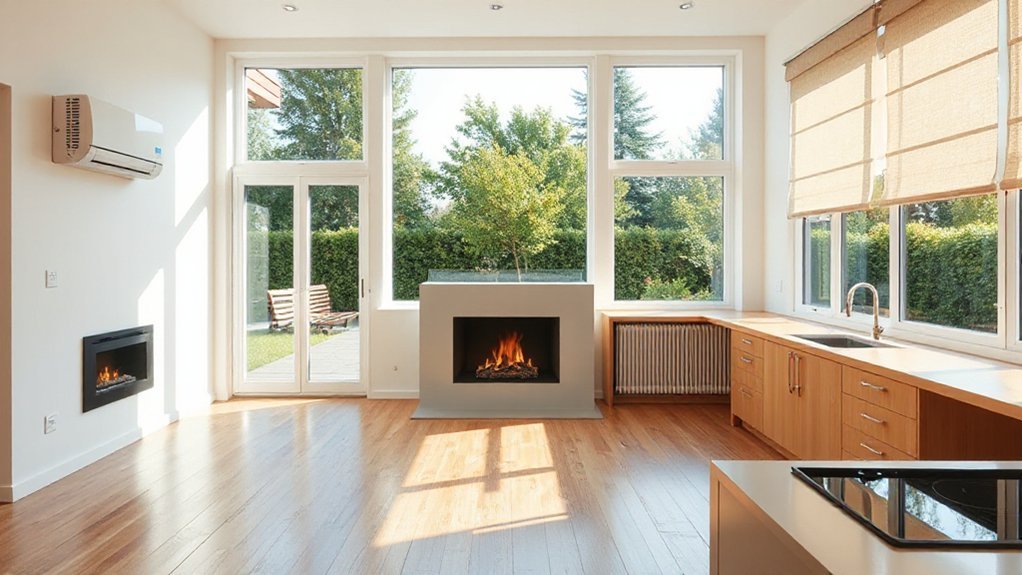
You’ll see how energy-saving improvements lower operating costs and boost buyer appeal, from upgraded insulation to efficient HVAC and high-efficiency windows.
The cost-benefit for buyers matters: upfront upgrades can shorten time on market and translate into stronger offers when buyers quantify anticipated savings.
Market-value impact aligns with data: homes with certified efficiency features often command premiums and faster acceptances.
Energy-Saving Improvements
Think of energy-saving upgrades as a smart first impression: they cut operating costs, raise comfort, and appeal to buyers who prize efficiency. You’ll frame these improvements as measurable value: lower utility bills, improved insulation, and quieter living spaces.
Prioritize features with proven ROI and clear performance data, citing local energy benchmarks where possible. Emphasize system compatibility, maintenance simplicity, and long-term reliability to reassure buyers that savings endure beyond the listing.
Highlight smart thermostats for precise climate control and energy analytics, plus solar panels when feasible to demonstrate reduced grid dependency.
Describe installation timelines, warranty coverage, and potential property tax incentives without overstating impact. Use concise metrics, such as annualized savings and payback estimates, to convey credibility and aesthetic cohesion.
Cost-Benefit For Buyers
Smart energy upgrades don’t just lower bills; they translate into tangible offers. When you evaluate cost-benefit, you weigh upfront costs against long-term savings and faster sale velocity.
Energy-efficient features tend to reduce operating expenses, boosting net proceeds for buyers and shortening time on market. Focus on quantified benefits: energy ratings, reduced utility bills, and maintenance predictability.
Luxury enhancements, like advanced heat pumps or smart thermostats, can elevate perceived value without overcapitalizing, especially when paired with strong aesthetic improvements that buyers notice first.
Data shows premium resale lift from high-efficiency glazing, insulation, and durable systems, translating to meaningful offers from more buyers.
Your aim is to present a coherent, value-forward story: gains in comfort, reliability, and future savings that align with market demand.
Market-Value Impact
You’ll notice premium placement when appliances and insulation verify performance data, and buyers extrapolate long-term savings into higher perceived value. Focus on verifiable metrics—seasonal energy use, heat-loss coefficients, and energy-label grades—to support pricing intuition.
Luxury features, even when subtle, reinforce desirability by signaling craftsmanship and modern comfort without sacrificing efficiency. Historical significance can intersect with efficiency upgrades, turning provenance into a narrative of enduring stewardship and evolving intelligence.
When presented with concise, data-backed summaries, buyers weight return-on-investment, trust, and aesthetic coherence over sheer volume of upgrades.
Staging and Layout Tweaks That Deliver Quick Wins
Staging and layout tweaks can yield quick, tangible gains by guiding buyers through space with clarity and intention. You’ll harness visual flow and proportion to maximize perceived square footage, using data-backed placement to highlight focal points and light.
Virtual staging and careful furniture arrangement reduce perceived complexity while preserving realism, helping buyers imagine living there without overcommitting budget early in the process.
Aligning scale, color, and texture creates cohesive rooms that feel larger and more inviting, supporting faster offers.
- Prioritize focal points with strategic furniture arrangement
- Use virtual staging to visualize key spaces without renovations
- Maintain neutral palettes to broaden appeal and expedite decision-making
Prioritizing Upgrades by Market Conditions and Budget
When upgrades align with current market conditions and your budget, you’ll maximize impact without overinvesting. You’ll assess demand signals, price bands, and inventory cycles, prioritizing changes that reliably lift perceived value.
In rising markets, allocate toward striking, durable improvements that shorten days on market, such as timeless cosmetic updates and high-return finishes.
In softer markets, emphasize efficiency, durability, and appeal-to-all tastes, delaying niche luxuries unless they open a decisive price premium.
Budget guidance should map to cost-per-point-of-listing-appeal, not vanity. Prioritize luxury features that endure, ensuring they’re visible in listings and tours, and pursue custom finishes only where they create distinct, marketable differentiation.
Pair upgrades with clear documentation, so buyers perceive quality without guessing value.
Frequently Asked Questions
How Do You Weigh HOA Rules When Planning Upgrades?
You weigh HOA rules by verifying HOA regulations and upgrade compliance, then quantify cost-benefit through aesthetics and durability. You compare approval timelines, document requirements, and design impact to maximize appeal while minimizing restrictions and risk.
Do Upgrades Affect Appraisal Values Differently by Room?
Did you know kitchens and baths drive up to 60% of resale value? Upgrades do differ by room: a kitchen renovation boosts overall value more predictably, while a bathroom remodel often improves appeal and speed of sale.
Are Vintage Homes Favored for Certain Modern Upgrades?
Yes, vintage homes are favored for historical charm, and you highlight modern amenities to appeal to buyers seeking balance. You’ll showcase preserved details alongside updated systems, backing claims with data on demand, pricing, and time-to-sale impact.
What Upgrades Boost Sale Speed in Gated Communities?
Invest in luxury amenities like a resort-style pool and smart-home controls to boost sale speed in gated communities. In a case study, a landscape enhancements overhaul cut time on market by 28%, appealing to discerning buyers.
How Long After Improvements Should a Seller List the Home?
Immediately, wait about 1–2 weeks after improvements before listing. You’ll optimize Home staging and curb appeal, using precise, data-driven tweaks that boost perceived value while you capture market momentum and avoid lingering renovation fatigue.
Conclusion
In the end, you’ll maximize return by prioritizing visible, practical upgrades that buyers notice first. Focus on kitchens and baths, curb appeal, and energy efficiency, then fine-tune staging and layout for flow. One striking stat: homes with upgraded, modern kitchens sell 7–14% faster than similar homes at listing. Let data guide your choices—invest where buyers place the most weight, and your property will resonate more quickly and profitably.
About the Author