Your UK Landlord Checklist for Preparing a Rental Property covers safety, compliance, energy upgrades, repairs, and tenancy paperwork in a practical, timeline-driven flow. Start with daily dashboards for deadlines, notices, and renewals, then run monthly safety checks (smoke, CO, gas, electrical) with proper logs. Plan EPC targets, upgrade paths, and costed upgrades. Prioritise durable fittings, modular decor, and clear tenancy docs. Maintain transparent deposits and RM workflows, keep audits tight, and fine-tune pricing to minimize vacancies—more details await.
Your UK Landlord Prep Roadmap: Key Requirements and Timeline

Kicking off your landlord prep means mapping mandatory steps, timelines, and practical checkpoints so you’re compliant from day one. You’ll build a roadmap that translates legal duties into executable tasks.
Core milestones include property marketing timelines, tenancy agreement updates, and right-to-rent checks, all aligned with current UK law. Schedule pre-occupation checks, inventory and condition reports, and compliance verifications to avoid backtracking.
You’ll implement tenant screening protocols that balance due diligence with fair access, documenting decision criteria and data handling.
Establish a landlord health check: insurance alignment, gas and electrical standards, and safety certification triggers.
Use a dashboard to track deadlines, renewals, and notices. This pathway reduces ad hoc risk, clarifies expectations for prospective tenants, and streamlines ongoing property management.
Safety First: Smoke, Carbon Monoxide, Gas, and Electrical Checks
Make certain you verify smoke alarm operability and conduct routine testing. Then confirm CO and gas system integrity with compliant checks.
You’ll document device types, test intervals, and alarm response for tenants, pairing it with visual indicators and verification tags.
This sets the baseline for ongoing electrical safety, gas security, and occupant protection.
Smoke Alarm Testing
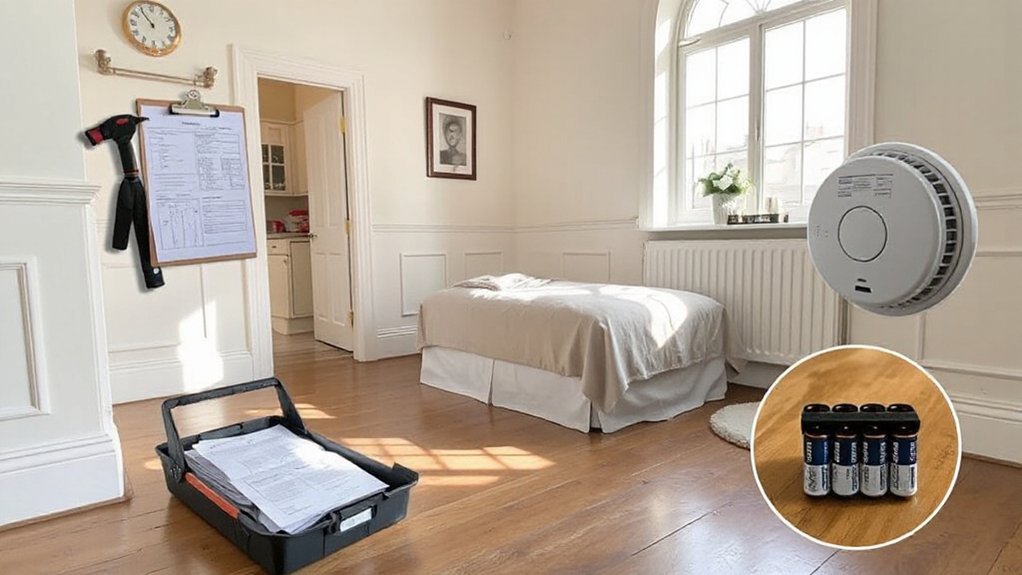
When and where should you test your smoke alarms, and how often? You test at least monthly and after any electrical work or battery changes.
Do a quick visual check: verify the unit is mounted correctly, unobstructed, and that the LED indicator behaves as expected.
Use the test button to simulate smoke, ensuring the alarm audibly confirms within a second or two.
Interconnect systems must trigger all units; if one rings, others should follow.
Replace batteries annually or per manufacturer guidance, and reseal after maintenance.
Log tests with date and outcome for compliance, and label units with installation date.
This is essential fire safety groundwork and supports alarm maintenance, reducing nuisance alerts and ensuring reliable early warning for occupants.
Avoid silence-inducing false positives and document any fault codes.
CO and Gas Checks
Schedule annual landlord gas safety checks with a Gas Safe registered engineer, and document results in the tenancy file.
After inspection, address any breaches: faulty connectors, corroded pipes, or improper ventilation compromise safety. Maintain clear records for tenants and auditors, and *guarantee* access for follow-up work.
Integrate these findings into tenant screening by clarifying responsibilities and safety expectations during viewings and applications.
When drafting lease agreements, embed mandatory safety compliance clauses, noting periodic checks, access rights, and remediation timelines.
Finalize with a signed gas safety certificate and scheduled next appointment to uphold regulatory standards.
Improve Energy Efficiency: EPC Targets and Upgrades for Tenants
Set EPC targets align with local building codes and market norms, so you can benchmark improvements and track progress.
You’ll present tenants with clear upgrade options that meet efficiency standards without overcapitalizing, such as heat pumps, insulation, and efficient boilers.
This snapshot guides cost-benefit analyses and sets expectations for compliance, funding, and timelines.
EPC Targets Alignment
EPC targets guide upgrades to boost energy efficiency and compliance, so align tenant-facing plans with the property’s current and anticipated ratings. You’ll map ratings to costed actions, budgeting for improvements that unlock future scores while minimizing disruption to tenants.
Prioritize measures with clear energy yields and market appeal, aligning with renewable energy options and practical KPIs.
Simultaneously, craft precise communications that reinforce property branding and value to occupants and inspectors.
1) Assess current EPC, forecast near-term changes, and flag upgrades tied to rating bands.
2) Phase improvements to hit both compliance deadlines and tenant comfort milestones.
3) Benchmark results post-implementation, documenting energy savings and branding benefits for marketing.
Tenant Upgrade Options
Tenant-facing upgrades should be selected to deliver tangible energy savings without disrupting occupancy. You’ll prioritize measures that align with EPC targets while preserving tenancy quality.
Focus on retrofit options with measurable performance, such as high-efficiency boilers, insulation upgrades, and heat emitter optimization, calibrated to property type and occupancy patterns.
Assess tenant preferences to balance comfort, control, and cost, incorporating smart thermostats and zoned heating where feasible.
Plan incremental improvements linked to energy audits, ensuring visible revenue savings and compliance timing.
Highlight upgrade incentives, including subsidies or local authority grants, to improve uptake and return on investment.
Document anticipated payback, required ventilation considerations, and post-upgrade monitoring, enabling tenants to verify performance and sustaining ongoing energy reductions.
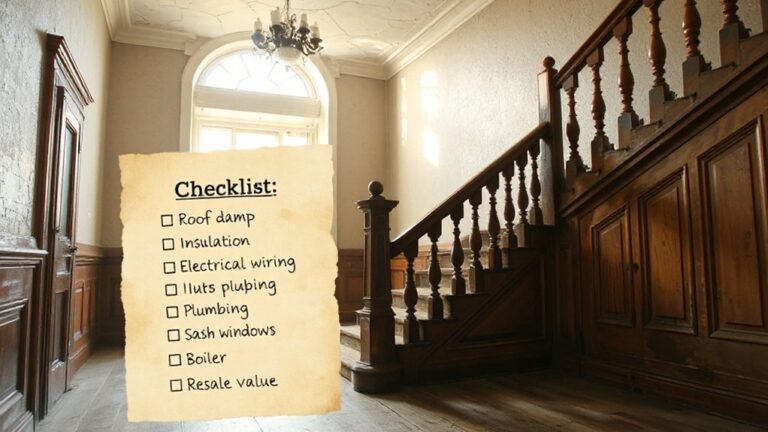
Prioritise Essential Repairs and Maintenance for Safety and Value
Prioritise essential repairs and maintenance now to protect safety, comply with regulations, and preserve value. You’ll focus on code-compliant systems, investor-proof materials, and risk mitigation to avoid costly remediation later. Target critical failures first, then schedule preventive tasks with clear milestones.
- Inspect and certify electrical, gas, and fire safety components; replace defective wiring, comms, detectors, and fittings as needed.
- Repair structural, plumbing, and drainage faults; seal damp, address leaks, and ensure compliance with building regulations.
- Plan ongoing maintenance cycles for HVAC, roofing, and exterior surfaces; document inspections and budget for timely upgrades.
Landscaping improvements and Interior design updates should be previewed for future phases, ensuring safety-driven decisions don’t compromise property value.
Make It Lets-Ready: Practical Decor and Furnishings for UK Rentals
Smart, durable furnishings and practical decor keep UK rental homes reliable and appealing without frequent replacements. You’ll prioritise robustness and maintenance efficiency, selecting finishes and fabrics with stain resistance, flame retardancy, and easy-clean properties.
Opt for modular, space-efficient layouts: compact sofas, storage-included beds, and universal desks that adapt to room sizes. Decor inspiration should stay neutral yet tactile—warm neutrals, textured weaves, and soft wool to reduce noise transfer.
Choose furnishing essentials that endure daily wear: reinforced legs, solid timber frames, and vinyl or ceramic surfaces in kitchens and bathrooms. Use low-VOC paints and complementary hardware for longevity.
Visuals should prove scale via floor plans and fabric swatches. This approach minimizes turnover, supports energy efficiency, and enhances tenant comfort while maintaining market appeal.
Paperwork and Compliance: Tenancy Agreements, Deposits, and Notices

Clear, compliant paperwork underpins every successful tenancy. You guarantee your operations run smoothly with precise tenancy agreements, robust deposits, and clear notices, aligned to current legislation and your policy.
Tenant screening becomes a gatekeeper step, verifying identity and suitability while minimising risk. Legal documentation travels with you from offer to occupancy, consolidating contract terms, payment schedules, and expiry provisions.
1) Tenancy agreement essentials: duration, permitted use, rent, deposits, and default remedies.
2) Deposit handling: protection schemes, joint liability, and transparent deduction processes.
3) Notices and compliance: correct service, renewal/termination timelines, and record-keeping.
Maintain audit trails, store securely, and review annually to stay compliant. This discipline supports lawful tenancy operation and efficient dispute resolution.
Set the Right Rent and Minimise Vacancies: Pricing and Availability Strategy
With your paperwork and compliance in place, your next lever is pricing and availability. You’ll start with market analysis to calibrate demand, seasonality, and local comps, then translate findings into a transparent Pricing strategy.
Set rent bands that reflect property features, location desirability, and timing windows, avoiding underpricing that erodes value or overpricing that spooks applicants. Use data-driven benchmarks, occupancy rates, and lead times to forecast demand and adjust dynamically.
Build a tiered approach: base rent, competitive incentives, and renewal premiums to minimise vacancies.
Pair pricing with availability signals—accurate listing updates, precise showing slots, and quick decision workflows.
Monitor response metrics, vacancy days, and absorption rate, iterating weekly to sustain ideal occupancy and revenue stability.
Stay Compliant: Ongoing Checks, Renewals, and Audits
Staying compliant means establishing a routine of ongoing checks, renewals, and audits to uphold legal standards and protect your cash flow. You’ll systematize documentation, trigger dates, and risk flags to maintain robust legal compliance and tenant communication.
- Schedule and track mandatory checks (gas, electrical, CO) with reminder cadences and certified logs to ensure safety compliance and audit readiness.
- Monitor renewal windows (tenancy agreements, section notices, licenses) and align with regulatory changes to sustain tenancy stability and avoid penalties.
- Implement audit cycles (records, payments, correspondences) with transparent reporting and escalation paths, reinforcing accountability and proactive remediation.
This approach yields clear visuals of compliance status, minimizes disputes, and preserves operational continuity. Tenant communication remains central to transparency and trust.
Frequently Asked Questions
How Often Should I Inspect Rental Properties for Safety?
You should inspect at least annually, with additional mid-year checks after major refurbishments or safety incidents. Prioritize property maintenance and comply with Safety regulations, documenting findings, actions, and timelines to guarantee ongoing tenant protection and regulatory compliance.
Can Tenants Choose Where to Rent if I Have Multiple Properties?
Yes, tenants can choose among your properties; they’ll weigh rental location choices against preferences. Think of it like a compass: you supply options, they pick. Tenant preferences guide moves, while availability and terms influence demand and occupancy.
Are There Grants or Incentives for Energy Upgrades in Rentals?
Yes, energy grants and upgrade incentives exist; you can access them to fund upgrades. You’ll assess eligibility, apply before deadlines, and document improvements. Energy grants cover insulation and heating upgrades, while upgrade incentives reward efficiency milestones and compliant reporting.
What Is the Eviction Process During Tenancy Disputes?
You’ll need to follow legislation, serving valid notices, then pursue court action if unresolved; tenant rights protect you, but eviction timelines vary. You must document every step, comply with due process, and anticipate potential delays affecting possession timelines.
Do Mandatory Checks Differ for Furnished Vs Unfurnished Lets?
Yes, they differ: furnished lets trigger stricter furniture regulations and inventory requirements, while unfurnished ones spare you those checks. You juxtapose risk and compliance, ensuring furniture regs, inventory accuracy, and safety compliance align with each property type.
Conclusion
You’re ready to take the property from “okay” to compliant and rentable. By locking in safety checks, EPC targets, essential repairs, and practical furnishings, you cut vacancy risk and boost appeal. The objection: compliance feels costly and time-consuming. Counter it: phased, know-your-early-wins plan saves money long-term, reduces fines, and streamlines renewals. So follow the roadmap, document everything, and monitor metrics. Your lettings success hinges on consistent upkeep, precise paperwork, and disciplined scheduling.
About the Author