

You can get a quick, free ballpark using transparent online estimates, official price data, and practical checks. Start with automated tools that blend recent sales, home features, and market signals, then sanity-check against official sources like HM Land Registry and Price Paid Data. Validate with local comparables, note upgrades, and watch days-on-market for momentum. Be wary of data gaps or quirks in unusual streets. If you want deeper guidance, you’ll uncover more practical steps below.
Foundations of Free UK House Valuations: What You’re Getting

Free UK house valuations offered at no cost sit at the core of modern home shopping and refinancing. You’ll see these tools pull from multiple data streams, balancing speed with reliability. Foundations rest on standardized methods, documented inputs, and transparent assumptions, so you know what’s driving the number you get.
You’ll encounter automated price models that blend recent sale data, property features, and market signals, plus appraisal overlays when you request a deeper check. Historical trends inform shifts in value baselines, while neighborhood demographics shape scoring for location desirability.
You’ll appreciate how data sources are refreshed regularly, reducing lag between market moves and your estimate. In short, you gain a practical, tech-forward starting point—without paying for in-person valuations upfront.
What Online Automated Estimates Actually Reveal (and Miss)
Online automated estimates can give you a quick, data-driven sense of a property’s value, but they’re not fortune tellers. You’ll find they base numbers on recent sales, property features, and location signals, yet omit nuances like renovations, mood, and micro-neighborhood trends.
Here’s what to watch for:
- Online algorithms may overweigh recent comps, skewing valuation accuracy if your street has unusual sales.
- They struggle with unique features or missing upgrades, leading to underestimates or overestimates.
- They lack real-time market sentiment and local demand spikes, which a human eye catches more readily.
Use these tools as a baseline, then verify with a local appraisal or agent for precise, actionable insight.
Government Price Data in the Real UK Market
Government price signals come from official datasets and track real-market transactions, so you can anchor valuations to transparent, reproducible benchmarks.
You’ll want to map public data sources to your model inputs, noting coverage gaps, timeliness, and any methodological quirks.
This practical view keeps you alert to data lags, revisions, and cross-source consistency as you assess value in the UK market.
Government Price Signals
- Monitor transaction pipelines and mortgage rate shifts to infer near-term price pressure.
- Track regional price indices and seasonality to normalize fluctuations across markets.
- Calibrate your valuations against official, transparent updates so you’re not chasing noise.
Use these signals to test assumptions, not replace due diligence.
In practice, they elevate your pricing discipline, helping you differentiate temporary market fluctuations from lasting value shifts with more precise valuation accuracy.
Public Data Sources
Public price data from official UK sources can anchor your valuations and curb speculation. You’ll tap sources like HM Land Registry, Office for National Statistics, and the Land Registry Price Paid Data to ground price benchmarks in actual trades.
Use these datasets to track housing trends over time, spotting seasonality and longer cycles that affect values across neighborhoods. Public data helps you sanity-check estate agent estimates against recorded sale prices and occupancy changes, reducing guesswork in your method mix.
Pay attention to price indices, sale volumes, and regional variance to anticipate market fluctuations rather than chase hype. Combine monthly updates with quarterly reports, then overlay with local development plans to refine your forecast and improve valuation stability.
How to Spot Good vs. Dubious Online Estimates
Spotting solid online estimates starts with checking the source: trusted portals use recent data, transparent methodologies, and clear assumptions. You should verify data recency, model type, and the stated premises before trusting a figure.
3 key checks to apply:
1) Source credibility: cross-check with major portals and note any public-facing methodologies.
2) Data integrity: look for sample size, date stamps, and whether local market quirks are accounted for.
3) Output transparency: ensure methodologies, adjustments, and caveats are disclosed, including legal considerations that could affect value estimates.
Mortgage options, Legal considerations, and platform notes matter because they shape final numbers. Use estimates as a starting point, not a legal offer.
Prefer paired comparisons and document assumptions for any decision.
How to Read Local Comparables to Sanity-Check Your Value
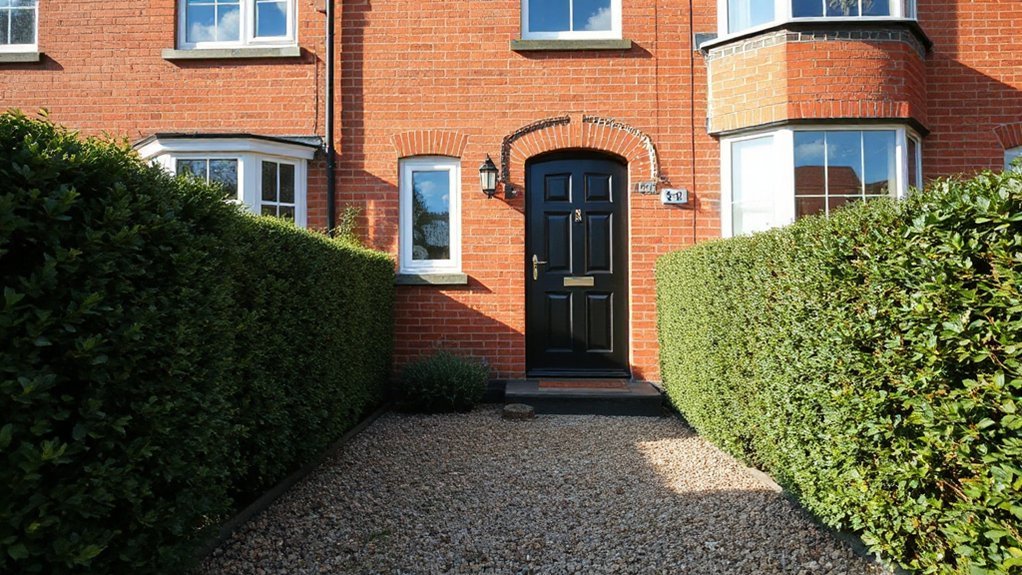
Local comparables are your sanity-check tool: pull recent sale prices for similar homes in the same neighborhood and compare key factors like size, condition, layout, and features. You’ll filter by bed/bath count, lot size, and age, then normalize for upgrades or downgrades.
Track days-on-market to gauge demand speed and adjust for outliers. Build a simple rubric: price per square foot, premium for upgrades, and penalties for dated interiors.
Use local portals and recent transaction data to spot trends, not just isolated sales. Be mindful of Neighborhood dynamics and Market fluctuations, especially across micro-neighborhoods.
If a comparable sells at a noticeable premium, test whether your property has the same boosts or if you’re overestimating. Validate your value before finalizing your appraisal.
Free Broker or Agent Consultations: When They Help and How to Use Them
You’ll want to time consultations when you’re close to making a decision, so you can test assumptions without delaying the process.
Prepare precise questions about fees, scope, and any hidden costs, and ask for a clear breakdown of what’s included and excluded.
Expect agents to outline next steps, data sources, and tools they’ll use to refine your valuation, so you can compare offers with confidence.
Timing Of Consultations
Free consultations from brokers or agents can kick in when you’re weighing timing—tactors like market flux, your urgency to move, and the complexity of your property play into deciding whether to book now or wait.
You’ll gain actionable benchmarks on timing strategies, plus a clear sense of how consultation scheduling fits your calendar and deadlines.
- Assess market velocity: identify recent price moves and days-on-market to decide if a quick consult will sharpen your timing.
- Align deadlines: map sale timelines, mortgage approvals, and cooling-off periods to pick ideal booking windows.
- Prepare data packs: consolidate recent comps, photos, and property quirks to maximize impact during the session.
Use these steps to optimize every broker or agent interaction.
What To Ask Agents
When you’re shaping questions for a free broker or agent consult, start with objectives you want to achieve—then test the answers against market realities.
You’ll ask for concrete methods the agent uses to justify valuations, not vague assurances. Probe how they interpret Market trends and what indicators drive adjustments to price opinions.
Request a clear breakdown of comparables, why a selected set matters, and how recent sales influence current estimates.
Inquire about Neighborhood analysis: what data sources, how often updates occur, and how local factors (schools, transport, amenities) shift value.
Ask for transparency on timing: how long listings stay, and what contingencies affect offers.
Finally, confirm deliverables: written valuations, data sources, and next steps to maximize credibility, speed, and accuracy.
Hidden Costs To Consider
Hidden costs can creep in even during a free broker or agent consult, so approach the session with a cost-aware mindset and a concrete checklist. You’ll want to separate genuine valuation insights from marketing spin and spot hidden fees early.
- Understand what’s included in the valuation today, and ask for itemized pricing after the session.
- Confirm whether the consult is obligation-free and if any future charges apply if you proceed with their service.
- Check for valuation myths, like assuming a high initial figure guarantees a quick sale, or that all tech tools replace human expertise.
These steps keep you sharp, tech-informed, and financially grounded in every conversation. Hidden costs aren’t invisible when you ask targeted questions.
Building a DIY Valuation Workflow: Step by Step
To build a DIY valuation workflow, start by outlining the data you’ll need and the sequence of checks you’ll perform. Then map these steps into a repeatable process you can run with minimal friction.
You’ll gather comparable sale data, recent listing prices, and local market signals, then automate data fetches where possible.
Design a scoring rubric that weights recent sales, time on market, and price trends, and build decision thresholds for accepting or adjusting valuations.
Integrate a versioned log so you can audit changes and track accuracy over time.
Account for Market fluctuations by updating inputs weekly and recalibrating weightings.
Document legal considerations early—ownership records, boundaries, and permitted uses—to avoid blind spots.
Keep the workflow modular, testable, and adaptable as new data sources appear.
Refining Valuations With Property Features and Condition

You’ll refine valuations by weighing how features add value, from kitchen upgrades to energy efficiencies.
Consider how condition flags—age, wear, and repairs—shift depreciation or premium.
And how digital data like recent renovations or smart-home tech can adjust the curve.
This approach keeps your model precise, actionable, and aligned with current market signals.
Property Features Impact
Property features and condition directly shape a valuation, because every upgrade or flaw alters perceived utility and risk. You’ll translate how your property aesthetics and surrounding neighborhood amenities influence buyer impressions and comparables. Focus on tangible signals: energy efficiency, storage, and layout flow, which buyers value in online previews and open days.
Value shifts arise from tech-enabled updates, smart controls, and durable finishes that reduce maintenance concerns.
1) Prioritize high-impact upgrades: kitchen, bathrooms, insulation.
2) Benchmark against local inventories to gauge feature premiums.
3) Compare amenities and access—transport, schools, parks—to set realistic ranges.
When documenting, lean on objective specs, not vibes. You’ll refine your estimate by mapping features to market expectations, ensuring your valuation reflects both aesthetic appeal and practical living benefits in your area.
Neighborhood amenities and property aesthetics jointly steer buyer willingness to pay.
Condition Valuation Factors
Condition matters as much as the features themselves. When you assess a property, you weigh condition alongside size and layout.
Focus on fixes that tangibly lift value: structural integrity, roof health, damp control, and electrical safety. Document each item with dates, costs, and expected lifespan to support your valuation model.
Use a tech mindset: run basic wear-and-tear scoring, attach photos, and track improvements over time.
Consider how condition interacts with mortgage options—some lenders tighten criteria on older homes or homes needing upgrades.
Also map neighborhood trends: recent renovations nearby, school performance, and amenity access, which can amplify or dampen the effect of condition.
A precise condition profile clarifies negotiation stance and helps you forecast post-purchase budget.
Quick Adjustments: Time on Market and Regional Price Trends

Quick adjustments matter: time on market and regional price trends can signal when to tweak listing price, refresh marketing, or adjust exposure strategies. You’ll monitor dashboards, set alerts, and compare daily comps to keep your valuation agile.
Market fluctuations and regional variations reveal where demand slows or surges, guiding precise tweaks rather than guesswork.
- Time-on-market signals: lengthening days suggest reconsidering price bands or marketing angles.
- Regional price drift: identify nearby moves to calibrate your target range without overreacting.
- Exposure tactics: adjust photos, platforms, and bidding prompts based on real-time data.
When a Professional Appraisal Is Worth Pursuing: and Free Options to Access One
A professional appraisal is worth pursuing when you need a precise, lender-ready valuation or when market nuances demand an expert benchmark—especially if you’re steering through steep price swings or complex property features.
You’ll know it’s worth it when mortgage criteria or equity plans hinge on accuracy, or when data gaps from automated tools leave you unsure. A licensed appraiser delivers valuation accuracy by inspecting condition, features, and comparable sales, then corroborates with local market trends.
Free options exist for preliminary insight: lender-supplied disclosures, public records, or trial reports from appraisal management firms, though these aren’t a substitute for a formal appraisal. Use these to narrow questions, then commission a full appraisal for final decisions and precise financing terms.
Demand transparency, timelines, and itemized methodology.
Cross-Checking Valuations: Compare Multiple Tools for Consistency
Cross-checking valuations means you don’t rely on a single number. You’ll gain confidence by comparing several tools and spotting where they diverge. Use this practical approach to sharpen market insight and debunk valuation myths when needed.
- Compare 3–4 independent tools side by side to spot consistent ranges and outliers.
- Note tool methodology (comps, fuel of data, update cadence) and adjust for local market quirks.
- Validate results with recent sale prices and rental yields to triangulate a realistic value.
This workflow keeps you tech‑savvy and precise, reducing blind spots. If one tool shows a sharp deviation, dig into data sources, check for recent district changes, and reassess.
You’ll trust the trend more than a single figure, strengthening your market insights and decision making.
Translating Valuation Into a Listing Price Strategy

Then build a tiered approach: a primary asking price, a realistic ceiling, and a trigger price if momentum shifts. Use data-driven levers like days-on-market benchmarks, comparable sale velocity, and inventory levels to calibrate your target.
Integrate pricing psychology with practical steps: offer windows, cadence for price adjustments, and populated rounds of showings to test demand. Track performance in real time, adjusting for seasonality and local variances.
Remember Legal considerations, such as disclosure obligations and contract timing, while Market trends inform when to push or soften. Tech tools streamline alerts, analysis, and updates to stakeholders.
Common Pricing Mistakes With Free Estimates to Avoid
Free valuations can be a great start, but watch for common pitfalls like overreliance on estimates and shaky data that can skew your price.
You’ll want to verify data quality, cross-check with recent comps, and treat free estimates as a directional guide—not a final number.
Stay disciplined: flag gaps, question outliers, and adjust as you gather more precise market signals.
Common Free Valuation Pitfalls
Common free valuations can be tempting, but they’re prone to pitfalls you’ll want to dodge. You’ll often face quick, surface numbers that miss situational factors like market volatility and buyer behavior.
To keep expectations realistic, watch for these pitfalls:
- Over-reliance on automated comps without local nuance
- Ignoring recent sales momentum or seasonal swings
- Assuming one estimate fits all property types or neighborhoods
Instead, use free estimates as a starting point, then cross-check with recent local data, agent insights, and your property’s unique features.
Be wary of lump-sum ranges that lack timing context or market conditions. A precise valuation considers price trajectories, buyer pool shifts, and imminent changes in demand.
Aim for a range with a confidence note, not a single, definitive price.
Overreliance On Estimates
Free estimates often hinge on broad comps and generic formulas, missing local quirks and timing effects. When market fluctuations hit, those numbers can drift, leaving you surprised at sale time.
Don’t treat a single figure as valuation accuracy; triangulate with multiple sources, adjust for property specifics, and verify with recent sales data and your own property history.
Use a practical, tech-savvy approach: track changes, set alert thresholds, and recalculate after notable market moves. This discipline keeps pricing aligned with reality and minimizes shocks during negotiations.
Data Quality Impacts Value
Data quality is the backbone of reliable valuations, especially when using free estimates. You’ll see how data accuracy directly shapes outcomes and avoids overstated numbers. When sources are shallow or outdated, valuation reliability collapses, and you waste time chasing shadows.
You can improve estimates by validating property details, recent sale prices, and local market trends before trusting the result. Focus on data provenance, refresh cadence, and method transparency to reduce bias and error.
Below are core steps to sharpen results:
- Verify property specifics (type, size, extensions) against official records.
- Cross-check recent comparable sales and current listings for market momentum.
- Document data sources and update frequency to maintain ongoing accuracy.
Next Steps: Planning, Negotiating, and Budgeting for Your Sale
Next steps after valuing your property are all about clear plans, sharp negotiation, and realistic budgeting. You’ll map a timeline, set target dates, and align marketing actions with your sale window.
Leverage data-driven pricing, test offers, and stay flexible as Market fluctuations shape demand. Prepare a price range rather than a fixed figure to handle counteroffers confidently.
Budget for selling costs, including estate agent fees, conveyancing, and any required repairs, plus a buffer for delays.
Research Neighborhood dynamics to anticipate buyer interest and leverage local trends in your pitch.
Plan negotiations with a clear bottom line and walk-away point, and use tech tools to track inquiries, viewings, and offers in real time.
Stay disciplined, informed, and ready to adapt as conditions evolve.
Quick Validation Checklist for UK House Value Estimates
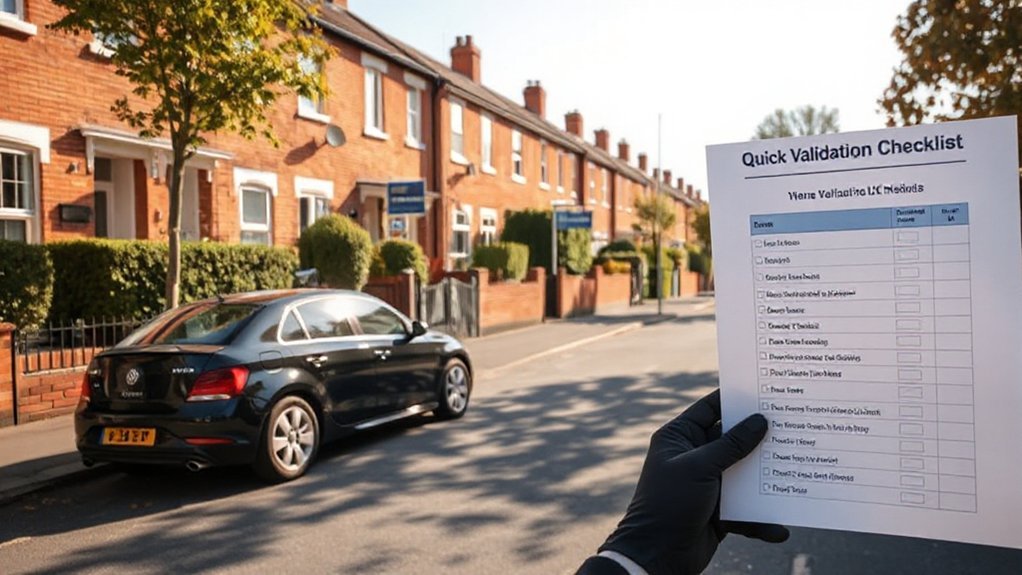
A quick validation checklist helps you confirm that a UK house value estimate is credible before you move forward. You’ll assess inputs, sources, and timing to gauge valuation accuracy amid market fluctuations. Use a practical, tech‑savvy approach to spot red flags and confirm consistency across platforms.
1) Compare three independent estimates (agents, online tools, CMA) and note discrepancies to gauge valuation accuracy.
2) Check recent comparable sales within a 0.5–1 mile radius; weigh sale dates, condition, and chain status to reflect current market fluctuations.
3) Review the methodology: data sources, weighting, and any adjustments for property features, location, or renovations.
If results align, you’re more confident; if not, seek corroboration or a professional opinion to refine your takeaway.
Frequently Asked Questions
Do Free UK Valuations Consider Local Market Liquidity Accurately?
Yes, they’re imperfect: market fluctuations and local liquidity aren’t perfectly captured, especially with Property uniqueness. You’ll get a rough gauge, but supplement with comps, agent insights, and real-time data to refine your valuation.
How Often Do Online Estimates Update With New Data?
Online estimates update when automated algorithms process fresh data, typically on daily or intraday cycles, with data refreshes occurring multiple times per day to reflect market moves and new listings. You’ll usually see near real-time recalibrations.
Can Free Tools Account for Unique Property Features?
Yes, free tools can account for property uniqueness, boosting valuation accuracy by weighting features like extensions, upgrades, and location. You’ll get practical, tech-savvy insights, but cross-check with a human appraisal for any edge cases or unusual traits.
Are Subscription Tools More Accurate Than Free Estimates?
Subscription tools tend to be more accurate, but you should verify with comps and updates. They offer improved valuation reliability, while free estimates remain rough. Rely on subscription accuracy for ongoing trends, and cross-check with local market signals.
How Should I Budget for a Professional Appraisal?
Appraisal fees vary, but you’ll typically budget a few hundred to a couple thousand pounds. Plan ahead with budget planning, compare firms, and request itemized quotes to avoid surprises—this savvy approach keeps your timeline and costs under control.
Conclusion
So there you stand, armed with free valuations like fancy party favors—great for a starting clue, terrible for a crystal ball. Don’t trust a single number; triangulate with local comparables, government data, and the nuances only a seasoned reader of the market can see. Use the estimates as your sparring partners, not your gospel. Plan, price, negotiate, and iterate. If you treat them as tools, you’ll release a sale strategy that actually sticks in today’s tech‑driven UK market.
About the Author