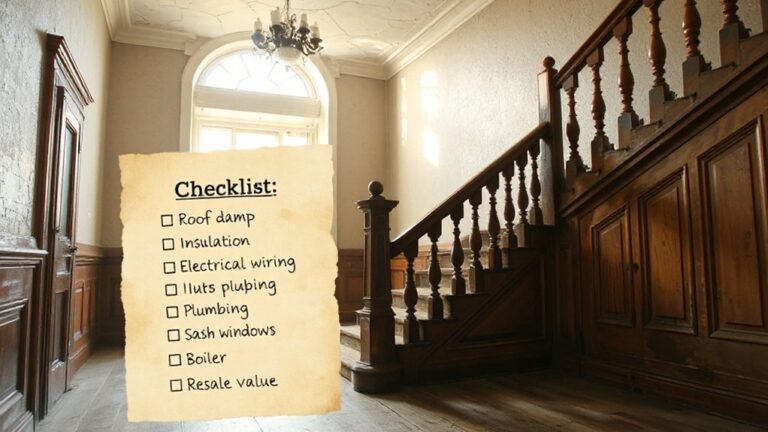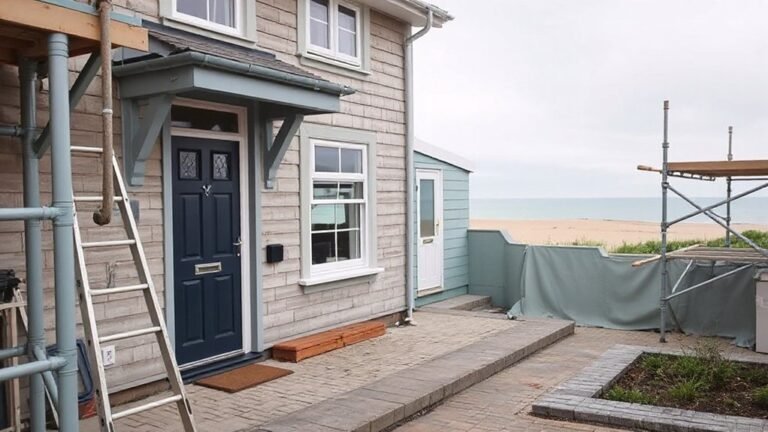
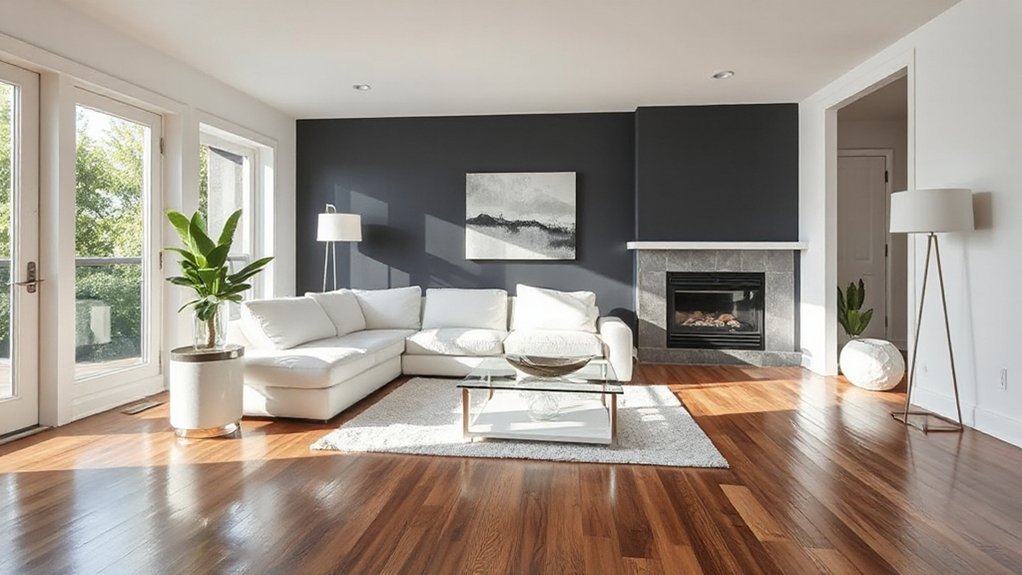
When you’re deciding whether to renovate before selling, experts say the answer hinges on market conditions, your budget, and what buyers actually want. Do targeted, value-adding updates make sense, or will the costs outpace the payoff in a slower market? You’ll want a clear, data-driven plan and a realistic ROI before you commit resources. There’s more to weigh—and a practical framework to guide you—just ahead.
Key Takeaways
- Market conditions often influence renovation value more than finish quality; tailor updates to current demand signals.
- Focus on high-ROI fixes like kitchens, baths, curb appeal, and neutral, durable styling.
- Use a clear renovation roadmap with budget caps (1–3% for minor, 5–6% for major) and data-driven decisions.
- Prioritize quick wins and essential repairs to boost readiness for showings and disclosures.
- Avoid over-improvement; compare costs with local comps and days on market to gauge impact.
Should You Renovate Before Selling? A Clear, 3-Step Framework
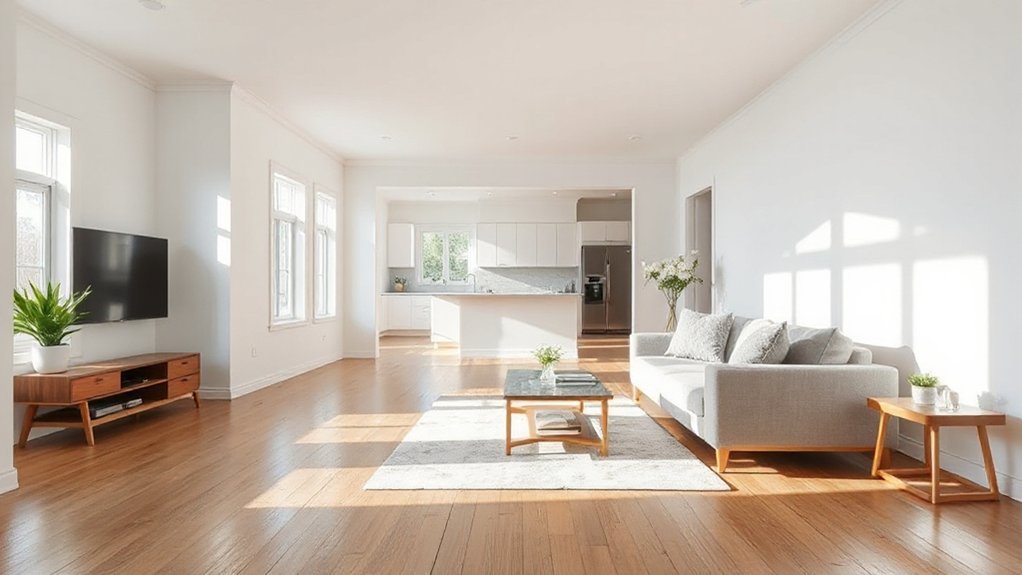
If you’re weighing whether to renovate before selling, start with a simple, three-step framework to guide your decision.
Step 1: assess returns by grouping costs and probable sale price, focusing on rooms that buyers expect.
Step 2: compare upgrades to design trends and buyer intent in your market, prioritizing high-ROI improvements like kitchens, baths, and curb appeal.
Step 3: weigh time, disruption, and eco-friendly choices, selecting efficient, durable updates that attract modern buyers without overinvesting.
Be data-driven: use local comps, time on market, and gross-to-net analysis to decide if renovations push you above a price threshold or risk price leakage.
Keep tasks scoped, budgets tight, and document the plan for showings and disclosures.
How Market Timing Shapes Your Renovation ROI
Timing matters more than you might think: market conditions can tilt a renovation’s payoff from modest to substantial. You’ll see that market timing influences ROI more than the sheer quality of updates.
When listings rise with demand, even modest cosmetic fixes can yield outsized gains, while downturns compress payoff unless you tailor to buyer priorities. Look at historical trends: peak seasons, interest-rate cycles, and local demand shifts frame what buyers expect and what they’ll pay.
Avoid Renovation myths that promise guaranteed returns regardless of timing. Instead, couple data with pacing: align budget and scope to current demand signals, not aspirational fantasies.
Smart timing means prioritizing updates buyers value today, and delaying nonessential projects until conditions improve, maximizing efficiency and sale price without wasted spend.
Must-Do Pre-Sale Fixes That Add Real Value
Want to maximize ROI before listing? Focus on must-do pre-sale fixes that buyers notice first. Start with curb appeal: tidy landscaping, fresh mulch, and clean entry paths.
Quick DIY projects, like repainting front doors or upgrading hardware, create lasting impressions without breaking the bank.
Inside, fix obvious defects: leaky faucets, cracked grout, and squeaky doors. Prioritize high-traffic areas—kitchens and baths—by sealing grout and replacing dated fixtures where feasible.
Lighting matters: bright, neutral illumination makes rooms feel larger and cleaner.
Declutter and depersonalize to help buyers envision themselves there. Improve storage perception with smart organization.
Landscaping tips should emphasize low-maintenance, drought-tolerant plants to reduce ongoing costs.
Avoid overimprovement; value comes from clean, functional, well-maintained spaces that feel move-in ready.
ROI-Proven Renovations: What Pays Off (And What Doesn’t)
You’ll see some renovations deliver solid value, while others barely move the needle. We’ll compare high-ROI upgrades—like kitchen updates or fresh curb appeal—with which fixes rarely boost sale price.
Let’s focus on what reliably adds value and what tends to underperform, so you invest smartly.
High-ROI Renovations Worth It
If you’re aiming to boost a home’s sale price, focus on ROI-proven renovations that deliver tangible value without over upgrading. The strongest returns come from improvements buyers notice immediately, like refreshed interiors and solid curb appeal.
Interior decor upgrades should emphasize neutral palettes, durable finishes, and space-enhancing layouts that feel modern but not extravagant. Prioritize kitchen and bathroom updates that improve usability while avoiding high-end customization.
On the exterior, landscaping design and enhanced curb appeal create the first impression and can lift perceived value before a buyer steps inside.
Track cost-to-value ratios for each project, target updates that address aging systems, and avoid over-embellishment. Choose practical, durable choices with wide appeal to maximize resale impact.
What Fails in Value Gain
Despite the common urge to over-improve, many renovations fail to add value because they overshoot buyer expectations or focus on features that don’t translate to resale. Informed buyers weigh ROI against typical demand, so you’ll see value stall when trends diverge from what sellers expect.
Historical Trends show scarce correlation between ultra-luxe upgrades and predictable gains, while Renovation Myths persist about “one-size-fits-all” fixes. You’ll win money by targeting durable, broad appeal instead of niche prestige.
- A dated kitchen layout that disrupts flow
- A bathroom upgrade that outpaces neighborhood norms
- Overcustomization that limits future buyers
If you’re unsure, test ideas against comps and timelines to avoid misaligned spend. Focus on cost-effective, broadly appealing improvements.
Budgeting Sell-Ready Projects: Rules of Thumb You Can Trust
When budgeting sell-ready projects, rely on rule-of-thumb benchmarks to prevent overspending and keep upgrades aligned with buyer expectations. You should target a total spend around 1–3% of the home’s value for minor refreshes, with major renovations capped at 5–6% in most markets.
Prioritize projects with proven impact, like refreshed color schemes that feel modern and cohesive, and curb appeal updates that boost perceived value. Track ROI by room: kitchens and bathrooms typically yield the strongest returns, while bedrooms and living spaces should feel fresh but cost-conscious.
Use a quick costs-and-benefits checklist to avoid scope creep, and factor in local labor rates. Consider Landscaping ideas and color schemes early in planning to maximize buyer first impressions without overinvesting.
Timing the Work: Align Renovations With Listing Prep
Coordinating renovations with your listing date helps maximize impact while controlling costs. You’ll want a tight schedule that prioritizes high-ROI updates and aligns with photos, staging, and showings. Plan for real-time adjustments if inspections or delays occur, and protect your timeline with clear milestones.
- Garden landscaping ideas that pop in photos, not on the backburner
- Paint color selection that reads well in daylight and staging lighting
- Contingency buffers to keep prep on track if vendors run late
Target renovations to finish just before listing, with touch-ups during final staging. Favor durable finishes and neutral palettes that appeal to a wide audience. Then verify paint and landscaping choices look intentional from curb appeal through the living areas.
Data shows shorter, well-timed prep often drives faster, higher offers.
Cost vs. Value: What Experts Say About Your Market
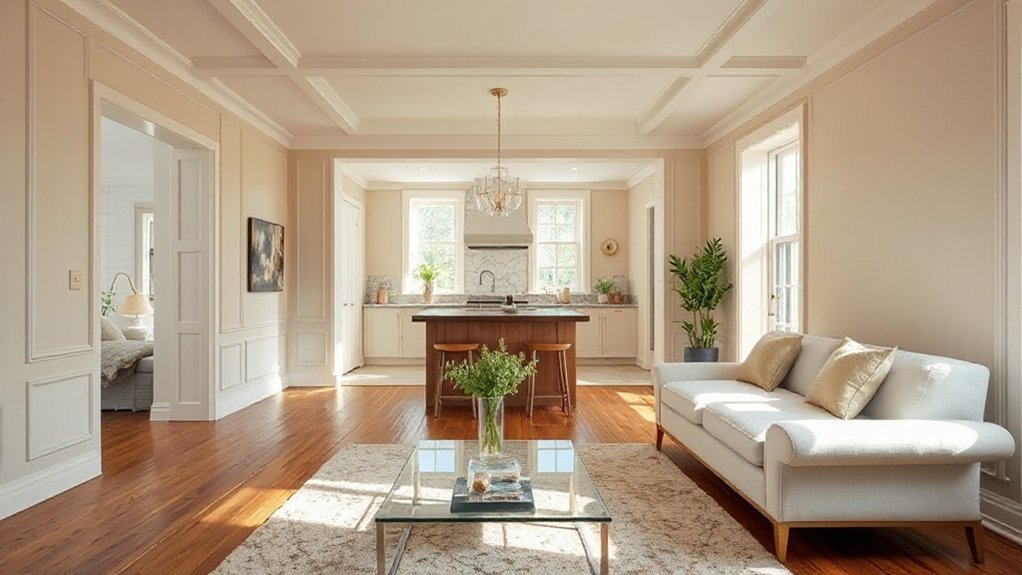
Experts emphasize grounding renovation decisions in solid market data rather than guesswork. When you assess cost vs. value, you pull from reliable sources like sales comps, price per square foot, and time-on-market trends.
You’ll see that historical trends shape current value: certain fixes boost appeal more in rising markets, while others yield diminishing returns in slower markets.
Consider Neighborhood dynamics: what buyers in your area prioritize, the age of nearby homes, and how recent upgrades stack up against local comps.
Don’t chase trends you can’t quantify; instead, forecast resale impact using price impact ranges and breakeven analyses.
Ultimately, your decision should balance projected sale price, carrying costs, and risk tolerance, rather than gut feeling alone.
Quick Fixes vs. Major Renovations: When to Skip a Full Refresh
When you’re deciding between quick fixes and major renovations, you should weigh cost, time, and expected impact on sale price.
Quick fixes often yield higher ROI per dollar than a full refresh, especially in markets with solid demand or limited budget buyers.
We’ll unpack criteria to decide when skipping a full refresh makes sense and where a targeted update matters most.
Quick Fixes vs Major Renovations
Quick fixes can deliver noticeable value quickly, but they aren’t a substitute for larger renovations when the market or your home’s condition demands a real refresh. You’ll see best results when you pair inexpensive updates with strategic ideas, rather than chasing a full remodel at every turn. Focus on what buyers notice first and where money moves the needle most.
- quick cosmetic touch-ups that lift curb appeal and interior confidence
- targeted upgrades in kitchens or baths that don’t overhaul the layout
- cost-conscious improvements like paint, lighting, and flooring that support home staging and landscaping upgrades
Use data to guide decisions: compare cost per square foot, ROI, and time on market. Prioritize fixes that improve first impressions without delaying sale.
When to Skip a Full Refresh
Sometimes a full refresh isn’t worth the time or cost, especially if market data suggests buyers won’t pay back the investment. You should skip a complete revamp when your aging features still function, or when projected gains fall short of renovation bills.
Target quick wins with high impact, low risk: fresh paint, updated hardware, and improved lighting. Compare costs against local comps and days on market to gauge momentum.
Consider luxury upgrades only if a clear resale premium emerges and you can justify it to buyers. Eco-friendly solutions—like low-VOC finishes, energy-efficient appliances, or smart thermostats—can boost appeal without a full overhaul.
Resist over-improving; align fixes with buyer expectations and neighborhood benchmarks.
Seller’s Market Scenarios: What Market Conditions Mean for Your Plan
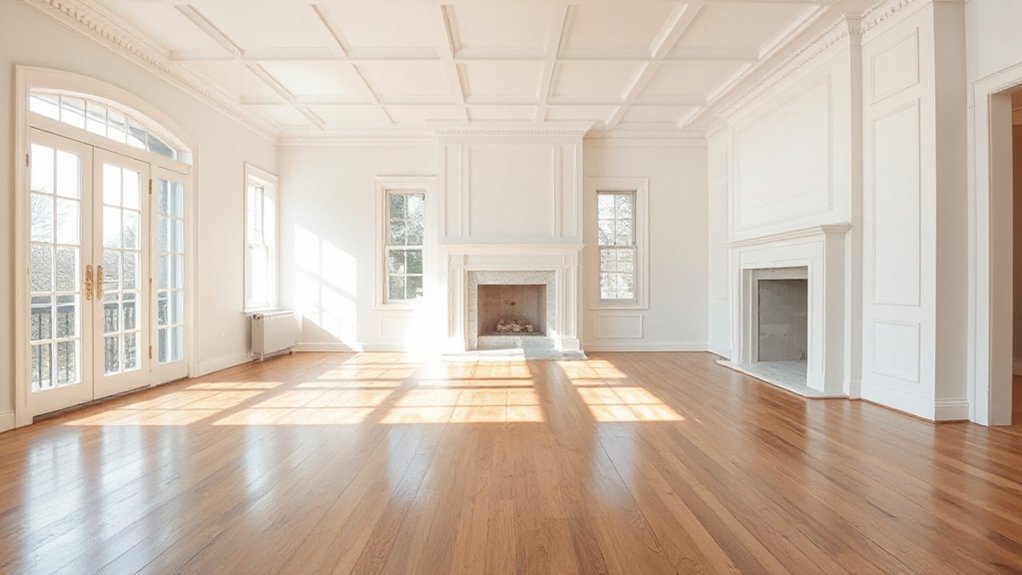
In a seller’s market, conditions tilt in buyers’ favor only briefly, so you must act decisively. When demand outpaces supply, you can lean on solid data to plan: pricing strategy, timing, and what buyers actually value.
Even in a hot market, you’ll benefit from clarity on costs, timelines, and potential risk. Consider these realities:
- [Property taxation] implications and how they shape net proceeds
- [Renovation permits] timelines and eligibility that affect hold times and outcomes
- Competitiveness of your listing, including staged visuals and clear disclosures
Your plan should balance speed with value, using current market indicators, closing velocity, and local comps. Don’t assume every upgrade pays back; prioritize features buyers consistently reward, and align decisions with your tax and permit realities.
Build Your Renovation Roadmap: A Step-by-Step Checklist
Start by outlining your renovation goals around buyer value and budget, then map them to a practical timeline and cost ranges. You’ll build a step-by-step roadmap that prioritizes high-ROI updates, sets milestones, and flags potential over-investment early.
Begin with a baseline assessment of your home’s condition, then list must-dave repairs, cosmetic upgrades, and value-enhancing projects. Assign owners, deadlines, and budget caps to each task, while aligning with the target buyer profile.
Track historical trends to gauge which updates retain value in your market, and compare with Renovation myths that inflate expectations.
Schedule regular reviews to adjust scope and costs before you lock in contractors, permits, and timelines. Use this checklist to stay data-driven, realistic, and ready to sell.
Frequently Asked Questions
How Soon Should I Start Renovations Before Listing?
You should start renovations about 4–6 weeks before listing. This window lets you finish high-impact fixes, stage, and photograph the home while you’re still optimizing cost and timelines.
Focus on staging strategies and curb appeal first, since those yield the best per-dollar returns.
Avoid projects that drag on; quick cosmetic updates beat long, expensive overhauls.
Keep a tight schedule, track budgets, and align with your agent for a smooth, market-ready launch.
Do Renovations Always Increase Sale Price?
Renovations don’t always boost sale price. In fact, about 60% of homes recoup less than their renovation costs, so you shouldn’t assume gains.
You’ll often fare better with targeted upgrades, staging, and pricing strategy. Start with property staging to maximize value before showings, and secure renovation permits for any structural updates to avoid delays.
If a project isn’t essential, skip it; you’ll likely sell faster and still attract strong offers.
Which Rooms Yield the Highest ROI Fast?
You’ll get the fastest ROI from high-impact spaces, especially outdoor landscaping and a few kitchen upgrades. Prioritize curb appeal first, then freshen cabinets, counters, and appliances in the kitchen.
Outdoor landscaping yields quick visual gains, while kitchen upgrades drive perceived value and sale speed. Don’t over-improve; target cost-to-value gains, keep planning data-driven, and track market comps.
You’ll move buyers faster if you show a polished, modern kitchen with inviting outdoor space.
Can I Renovate While Still Living in the Home?
Yes, you can renovate while living there, but plan carefully. Start with DIY projects you can manage around daily life, and avoid major messes or prolonged disruptions.
Check local Remodeling permits requirements before starting any risky work, and keep permits up to date.
Schedule work in stages, protect living areas, and communicate timelines with family.
Track costs and ROI data to stay practical and concise about what adds value during the sale.
What Hidden Costs Catch Sellers off Guard?
Clicking through the numbers, you’ll likely see hidden costs bite hardest: permits, inspections, staging, and moving logistics. You’ll save surprises by budgeting for staging techniques and boosting curb appeal.
Be prepared for contractor delays and overlapping fees. You’ll want a realistic contingency—about 5–10% of your renovation budget.
Staging techniques help buyers envision space, while curb appeal influences first impressions. Plan diligently, track every expense, and renegotiate if bids spike.
Conclusion
In short, pick your targets based on data, not instincts. If comps justify it and ROI looks solid, tackle practical fixes first—paint, curb appeal, fixes—then measure impact. If the market’s sluggish, skip major overhauls and lean on cost-effective updates. Think of the decision like trimming a hedge: small, precise cuts shape the view without uprooting the whole landscape. Ready to map your renovation road? Start with the must-daves, then watch the sale—or rent—rise.
About the Author